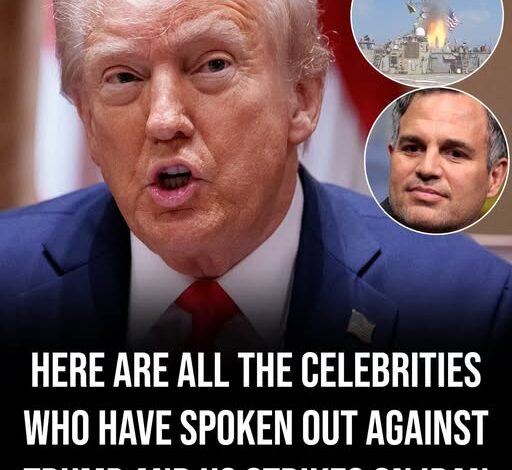
The reaction to the U.S. and Israeli airstrikes on Iran spread rapidly, not only through diplomatic channels but across social media and public discourse. Within hours of the reports, a number of well-known entertainers, writers, and cultural figures voiced criticism of the military action, reflecting broader concerns about the consequences of escalating conflict in an already unstable region.
Many artists framed the strikes as more than a strategic decision. To them, the situation represented a serious moral and political turning point. Several musicians and actors warned that military escalation often carries a heavy human cost, affecting civilians and communities far removed from the decisions made by political leaders.
Jack White questioned what he described as a sudden move toward a more aggressive military stance, expressing concerns about clarity and consistency in policy decisions. Rosie O’Donnell criticized former President Donald Trump, arguing that the strikes conflicted with earlier messaging about avoiding war. Actor John Cusack suggested the operation could serve as a political distraction, referencing the phrase “wag the dog.” Author Stephen King raised constitutional concerns about whether Congress should have played a greater role in authorizing such action. Meanwhile, Carrie Coon and Mark Ruffalo highlighted the potential human consequences and the influence of advisers shaping foreign policy decisions.
These responses echoed a wider sense of unease among some observers who fear that military escalation could deepen instability in the region. At the same time, supporters of the strikes offered a very different interpretation. They argued that the operation was intended to deter threats posed by Iran and to protect U.S. and allied security interests. From their perspective, strong action was necessary to prevent further aggression and maintain regional stability.
The sharp contrast in views illustrates a familiar dynamic during international crises. Foreign policy decisions often become cultural debates, especially when public figures use their platforms to weigh in. Social media has intensified this pattern, allowing reactions and counter-reactions to spread instantly across millions of screens.
At the heart of the discussion lies a broader question that extends beyond any single political moment: how should democratic societies balance national security concerns with the humanitarian risks of military action? Governments often describe such decisions in strategic terms—deterrence, defense, and stability—but the real-world consequences are experienced by people whose lives are directly affected by conflict.
The outspoken reactions from celebrities demonstrate how geopolitical events increasingly intersect with cultural and public conversation. Whether their comments are praised or criticized, these figures often shape how audiences interpret major world events.
Ultimately, the debate surrounding the airstrikes reflects a larger struggle over leadership, accountability, and the path toward lasting peace. Military decisions rarely exist in isolation; they influence political dialogue, public trust, and the way societies grapple with fear, responsibility, and the human cost of conflict.