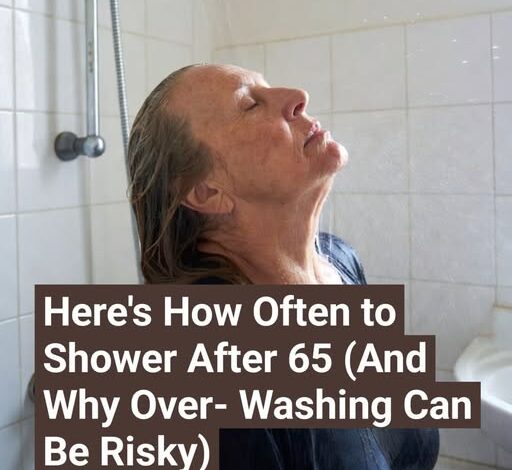
As we grow older, many daily habits need small adjustments to match the changing needs of our bodies. Personal hygiene is one area where these changes can make a big difference. If you’re over 65 and have noticed that your skin feels tighter, itchier, or more sensitive than it used to, you’re likely experiencing natural changes that come with aging. The shower routine that worked well decades ago may now be too harsh for aging skin. Learning how the skin changes over time can help you adapt your routine and stay comfortable and healthy.
Why Skin Changes After 65
Aging affects the skin in several important ways. The skin gradually becomes thinner and loses some of its structural proteins, such as collagen and elastin, which help maintain strength and flexibility. At the same time, the glands that produce natural oils slow down. These oils normally help protect the skin and keep moisture from escaping.
Because of these changes, older skin tends to become drier and more sensitive. It also takes longer to recover from irritation. When the protective barrier of the skin weakens, moisture evaporates more easily, and the nerves closer to the surface may react more strongly to dryness or friction.
Why Hot Showers Can Cause Problems
Many people enjoy long, hot showers because they feel relaxing and soothing. However, hot water can strip away the natural oils that aging skin needs to stay hydrated. When combined with strong soaps or scented body washes, the result can be dry, flaky, or irritated skin.
Dermatologists often refer to severe dryness as xerosis, a condition that can cause rough patches, redness, and persistent itching. For older adults, preventing this dryness is an important part of maintaining healthy skin.
How Often Should You Shower?
Experts often suggest that older adults may not need a full shower every day. For many people over 65, showering every other day or about three times a week can be enough to stay clean while protecting the skin’s natural moisture.
On days without a full shower, a simple routine can help maintain hygiene:
- Wash the face
- Clean underarms
- Wash the groin area
- Rinse feet if needed
This targeted cleaning helps keep the body fresh without over-drying the skin.
Tips for Healthier Showers
If you do take a full shower, small adjustments can make a big difference.
Keep showers short
Try to limit showers to about 5–10 minutes.
Use lukewarm water
Water should feel warm, not hot.
Be gentle with your skin
Avoid rough scrubbers, loofahs, or pumice stones that can irritate fragile skin. Your hands or a soft cloth are usually enough.
Choose Gentle Cleansers
Many traditional soaps contain fragrances, dyes, and harsh ingredients that can irritate aging skin. Instead, consider products labeled:
- fragrance-free
- hypoallergenic
- soap-free or “syndet” cleansers
You also don’t need to apply soap everywhere. Focus on areas that produce odor, such as:
- underarms
- groin
- feet
Other areas like arms and legs usually only need warm water.
Moisturizing Is Essential
One of the most important steps happens right after your shower.
Dermatologists often recommend the “soak and seal” method:
- Gently pat your skin dry with a towel.
- Leave the skin slightly damp.
- Apply a moisturizer within a few minutes.
Thicker creams and ointments work better than light lotions for aging skin. Look for ingredients such as:
- ceramides (help repair the skin barrier)
- glycerin or hyaluronic acid (draw moisture into the skin)
- shea butter or petrolatum (lock moisture in)
Consider the Environment
Weather and indoor conditions also affect skin health.
- Winter: Dry indoor heating may require fewer showers and heavier moisturizers.
- Summer: Sweat and humidity may make quick rinses more helpful.
Pay attention to how your skin feels and adjust your routine as needed.
Don’t Forget Safety
For older adults, bathroom safety is just as important as skin care. Slippery surfaces increase the risk of falls. Helpful safety measures include:
- installing grab bars
- using non-slip mats
- adding a shower chair
- using a handheld showerhead
These changes can make bathing easier and safer.
A Gentle Approach to Self-Care
Adjusting your shower routine isn’t about doing less—it’s about doing what works best for your body now. Lukewarm water, gentle cleansers, shorter showers, and regular moisturizing can help keep skin comfortable and healthy.
If dryness, itching, or redness continues despite these changes, it’s a good idea to speak with a dermatologist. Conditions like eczema, psoriasis, or allergies can sometimes mimic simple dryness.
Taking small steps to care for your skin today can help ensure you remain comfortable, confident, and healthy for many years to come.