Hollywood in the 1950s was a dazzling yet unforgiving world, where the fate of actors and actresses was often determined by the immense power of the major studios.
Among the many stars who captivated audiences during this golden era, one actress stood out for her remarkable beauty, undeniable talent, and ultimately, her tragic fall from grace.
Initially set for stardom, she was unexpectedly blacklisted by one of Hollywood’s most influential studios, leaving many to question what led to her downfall.
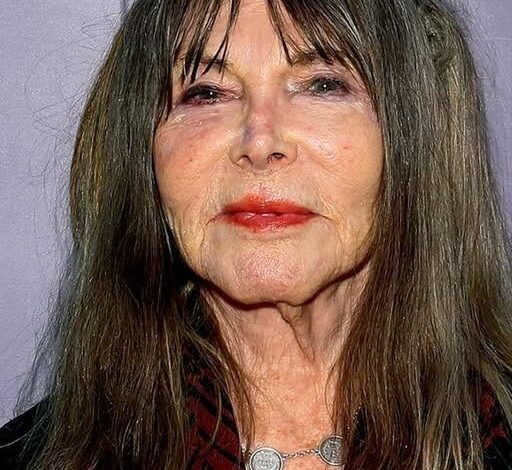
At the beginning of the decade, Lee Grant was widely regarded as one of the most stunning actresses in the industry.
With her striking features, graceful demeanor, and magnetic on-screen presence, she quickly caught the attention of major producers who saw her as Hollywood’s next great talent. She was cast in several films that highlighted her range, winning over critics and audiences alike.
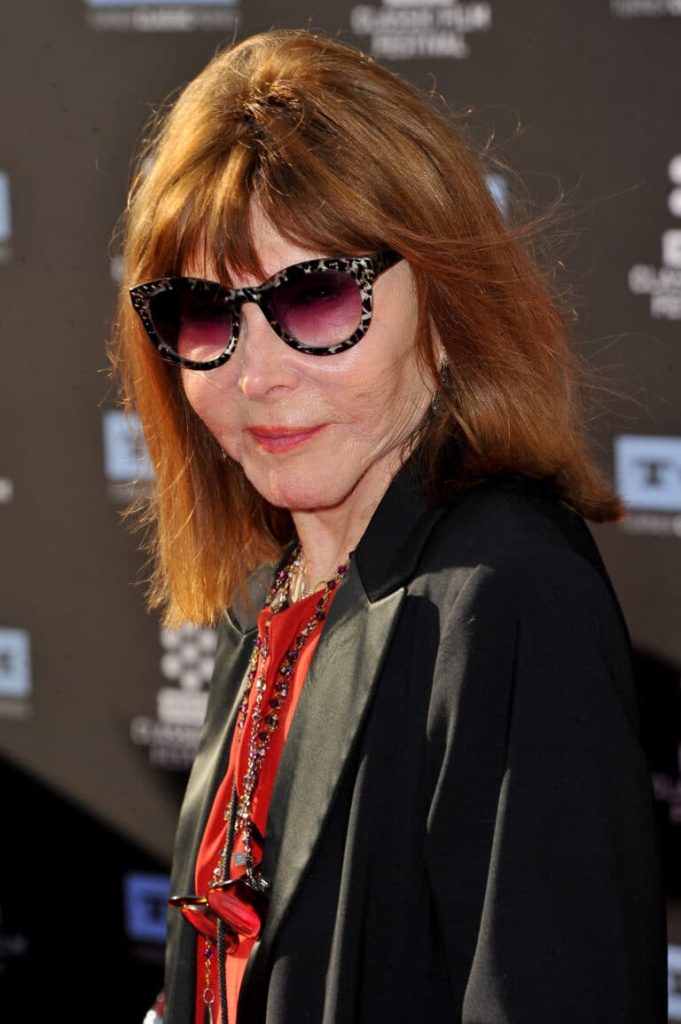
Her breakthrough arrived in 1951 with her film debut in Detective Story, where she starred opposite Kirk Douglas. The performance immediately drew attention, earning her an Academy Award nomination for Best Supporting Actress as well as the Best Actress honor at the Cannes Film Festival.
At that moment, it seemed clear she was on a path toward lasting success—until everything suddenly shifted.
Despite her rising momentum, Grant’s career was abruptly derailed when she was effectively shut out by one of Hollywood’s major studios. The decision came quickly and without clear explanation, leaving many wondering how such a promising talent could be sidelined so unexpectedly.
Rumors began to circulate. Some claimed she had challenged powerful studio figures, refusing to adhere to their strict control. Others speculated that aspects of her personal life had clashed with the carefully curated image Hollywood demanded of its stars. There were also suggestions that the political tensions of the era played a role, with whispers of blacklisting quietly spreading through the industry.
According to reports from CBS, Grant delivered a deeply emotional eulogy at the 1951 memorial service for actor J. Edward Bromberg. In her speech, she implied that the pressure he faced after being called before the House Un-American Activities Committee (HUAC) may have contributed to his death.
In a time when such statements carried serious consequences, the impact was swift.
Over the next twelve years, the trajectory of her once-bright career changed dramatically, and the opportunities that had once seemed certain became increasingly out of reach.

During Hollywood’s Golden Age, film studios held near-total control over the careers of their actors. Stepping out of line—whether by questioning authority, refusing certain roles, or simply not conforming—could come at a steep cost. Contracts could be terminated without warning, and careers that once seemed unstoppable could disappear almost overnight. Many gifted performers found themselves pushed aside, not because of a lack of talent, but because they didn’t fit the rigid expectations of the system.
Grant, who had once stood on the edge of major stardom, became one of those casualties.
Though she later appeared in notable productions like Valley of the Dolls, Columbo, Shampoo, and Mulholland Drive, eventually earning an Academy Award for Best Supporting Actress, the early damage to her career lingered. Throughout the 1950s and early 1960s, meaningful roles were scarce, and the momentum she had built began to slip away. Opportunities that once seemed inevitable gradually faded, and her presence in Hollywood grew quieter.
Still, her impact never truly vanished.
Her elegance on screen, natural charisma, and undeniable talent continue to resonate with audiences who revisit her work. While the industry may have moved on, many film enthusiasts still regard her as one of the most overlooked and compelling actresses of her era—someone whose potential was never fully realized under the constraints she faced.
Her story stands as a powerful reminder of how fragile success in Hollywood can be. Even those with extraordinary promise can find themselves sidelined by forces beyond their control.
Today, in a landscape where actors enjoy far greater independence and voice, her experience sheds light on the harsher realities of classic Hollywood—a time when ability alone was not always enough to sustain a career