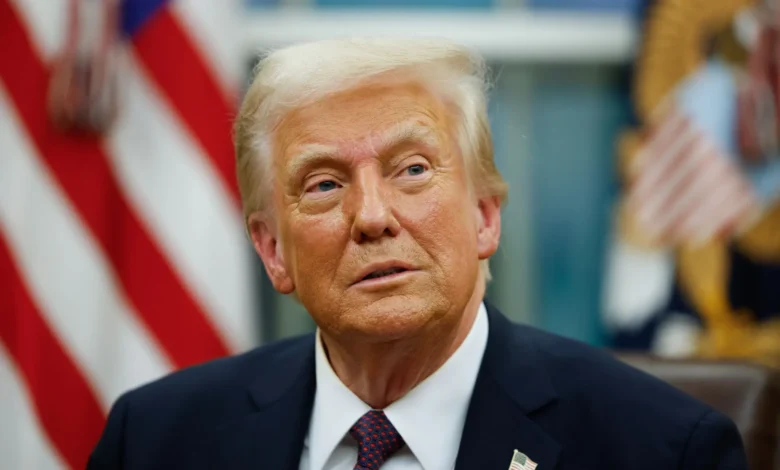
Viewers who chose to tune in and remain through the entirety of the address were largely those already engaged in the political arena. Many of them came into the speech with firmly established views about Donald Trump and the direction they believe the country should take. For supporters, the address served as a reaffirmation of priorities they have long championed. The promises of stricter immigration enforcement, renewed economic growth, and a commitment to restoring what they see as national strength resonated strongly. In their eyes, the speech was less about persuasion and more about confirmation — a signal that the political agenda they support remains firmly in motion. The instant polling that followed captured this wave of enthusiasm, quickly translating emotional reactions into a striking number that suggested renewed energy and momentum among his base.
However, the deeper implications of the speech were far more layered than the immediate reactions suggested. While supporters heard clarity and determination, critics perceived a repetition of familiar talking points without detailed solutions for the complicated challenges facing the country. Questions about the feasibility of certain proposals, the long-term economic impact of policy changes, and the broader consequences for international relations lingered in the minds of analysts and political observers. To them, the address highlighted how political messaging can inspire confidence among loyal audiences while leaving skeptics unconvinced that meaningful progress will follow.
Political analysts also cautioned against reading too much into the rapid-fire polling numbers that often dominate headlines in the hours after a major speech. Such instant reactions tend to reflect the enthusiasm of the most engaged viewers rather than the broader population. Those who feel strongly about a political figure or policy are far more likely to watch the speech live and participate in post-speech surveys, meaning the results often measure intensity rather than overall agreement across the country. In other words, the numbers reveal how passionately certain groups respond, but they do not necessarily represent the full range of opinions held by the public at large.
In that sense, the address ultimately became a reflection of the political climate in the United States itself. For many Americans, it symbolized hope and the promise of decisive leadership. For others, it raised concerns about unresolved divisions and unanswered policy questions. The contrasting interpretations illustrate just how differently people can hear the same message depending on their experiences, priorities, and political beliefs. One speech, no matter how carefully crafted, cannot easily reconcile those differences.
What the moment truly underscored was the enduring reality of a nation wrestling with competing visions of progress. Some see bold policy shifts as the path forward, while others advocate for cautious, measured change. As the discussion around the address continues in newsrooms, social media, and everyday conversations, it serves as a reminder that the struggle to define the country’s direction is ongoing. The speech may have energized supporters and galvanized critics, but it also reinforced a broader truth: the debate over America’s future is far from settled, and meaningful consensus remains one of the most challenging goals in modern politics.