THE WORLD TEETERS ON THE BRINK OF TOTAL WAR AS OPERATION EPIC FURY SHATTERS TEHRAN AND IRAN VOWS DEVASTATING REVENGE


Operation Epic Fury: The Night the Shadow War Became Real
The illusion of global stability didn’t fade gradually—it was shattered in a single night of fire, noise, and shock. What had long been a quiet, indirect struggle between the West and Iran erupted into open confrontation, marking a turning point many feared but few truly believed would happen.
For years, tensions had simmered beneath the surface—fought through cyberattacks, proxy conflicts, and political pressure. But on that night, everything changed.
Missiles struck. Jets roared across the sky. And the idea that this conflict could remain contained disappeared instantly.
A Strike That Changed the Rules
The coordinated military operation—reportedly known as Operation Epic Fury—was not a symbolic show of force. It was a calculated, high-stakes move aimed at dismantling critical elements of Iran’s military and nuclear capabilities.
According to officials, the strikes targeted key infrastructure with precision. The goal: to weaken Iran’s ability to project power and potentially halt developments that had long been viewed as crossing dangerous “red lines.”
Supporters of the operation framed it as necessary—an act meant to prevent a larger threat from fully materializing.
But critics saw something else.
Not prevention.
Escalation.
Inside Iran: Damage and Defiance
In Tehran, the aftermath was immediate and intense.
Military leadership moved quickly to assess the damage and prepare a response. State media pushed back hard, claiming that much of the attack had been intercepted and portraying the strikes as ineffective.
But behind the messaging, a different tone emerged.
One of anger.
And a promise.
Iran’s leadership vowed “devastating revenge.”
That phrase alone sent a ripple of unease across the globe.
A World on Edge
The impact wasn’t limited to the region.
Markets reacted within hours. Oil prices surged amid fears of disruption in key shipping routes like the Strait of Hormuz. Investors scrambled for stability, shifting toward gold and safer currencies.
In Europe, the response was urgent and anxious.
Emergency meetings were called. Diplomats warned that further escalation could ignite a broader conflict—one that might pull in multiple nations and spiral beyond control.
Because this wasn’t just another regional clash.
It had the potential to become something much bigger.
Modern Warfare on Full Display
Reports suggest the operation showcased a new level of military sophistication.
Stealth aircraft, electronic warfare systems, and precision-guided munitions were used to bypass defenses and strike targets with devastating accuracy.
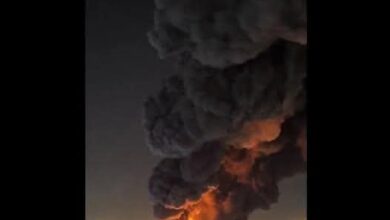
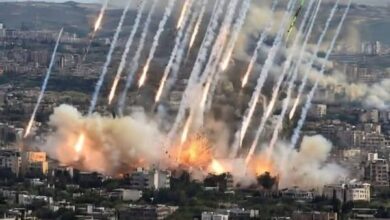
Images emerging from the aftermath told a stark story—destroyed facilities, disabled radar systems, and entire compounds reduced to rubble.
For some, it highlighted technological dominance.
For others, it fueled anger and a desire for retaliation.
The Human Reality Behind the Headlines
Beyond strategy and politics, there’s another side to this story—the human one.
In Tehran, families were jolted awake by explosions. Parents rushed children into basements, unsure of what was happening or what might come next.
In Israeli cities, civilians braced for retaliation, listening for sirens that could signal incoming strikes.
Different countries.
Different narratives.
But the same fear.
The same uncertainty.
And the same realization: ordinary people are often the ones who pay the highest price.
What Comes Next?
Analysts warn that Iran’s response may not follow a predictable path.
Instead of direct retaliation, it could unfold through:
- Cyberattacks on infrastructure
- Proxy conflicts across multiple regions
- Disruption of global energy supplies
This kind of asymmetric warfare makes the situation even more volatile—harder to predict, harder to contain.
The world now sits in a tense pause.
Waiting.
Watching.
Wondering when the next move will come—and how far it will go.
A Dangerous Turning Point
Behind closed doors, diplomatic efforts are underway to prevent further escalation. Back-channel communications are being opened in hopes of avoiding miscalculations that could lead to something far worse.
But the pressure on all sides is immense.
For some leaders, the operation is seen as a victory.
For others, retaliation is not just expected—it’s necessary.
And in that tension lies the real danger.
The End of the Shadow War
One thing is clear: the era of quiet, indirect conflict is over.
What was once hidden has now been brought into the open.
The question is no longer whether tensions exist—but how far they will go.
Was this a decisive strike meant to prevent a larger war?
Or the first move in a conflict that cannot be stopped?
For now, the smoke has cleared.
But the silence that follows doesn’t feel like peace.
It feels like the pause before something even bigger begins.