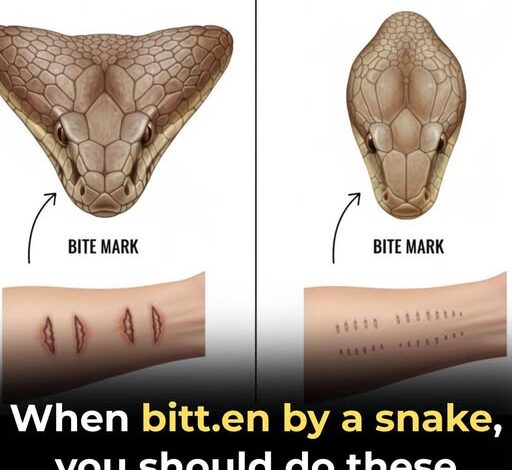
A snake bite is one of those situations where fear hits instantly—but what matters most in those first moments is control. Panic is natural, but it can actually make things worse. If venom has been injected, it travels through the body faster when the person is moving, breathing rapidly, or struggling. That’s why the priority is simple but critical: keep the person as still and calm as possible.
The first step is to move them safely away from the snake’s reach—without sudden movements or chasing the animal. Once they’re in a safe spot, help them sit or lie down and encourage slow, steady breathing. Reassurance goes a long way here. The calmer they are, the slower the venom (if present) can spread through the bloodstream and lymphatic system.
Next, focus on the bitten area. Keep the affected limb immobilized—ideally at or slightly below heart level. Avoid raising it too high, but also don’t let it dangle excessively. If possible, use a splint or any firm object to keep the limb still. Before swelling begins, gently remove rings, bracelets, watches, tight clothing, or anything that could constrict circulation later. Swelling can happen quickly, and those items can become dangerous if left in place.
It’s just as important to know what not to do. Many outdated or popular “remedies” can actually cause more harm than good. Do not cut into the wound, do not try to suck out the venom, and do not apply a tourniquet. These methods don’t remove venom effectively and can lead to severe tissue damage, infection, or reduced blood flow. Ice packs and electric shocks should also be avoided—they don’t help and may worsen the injury.
While keeping the person still, monitor them closely. Watch for signs like difficulty breathing, dizziness, swelling spreading rapidly, nausea, or changes in consciousness. If possible, note the time of the bite and any symptoms that appear—this information can help medical professionals later. However, don’t waste time trying to identify or capture the snake; that can be dangerous and delay getting help.
The most important step—more than anything else—is getting professional medical care as quickly as possible. Call emergency services immediately or transport the person to the nearest hospital without delay. Even if the bite seems minor or not very painful at first, symptoms can escalate quickly. Some venomous bites don’t show severe effects right away, which can create a false sense of safety.
While waiting for help, keep the person warm, still, and reassured. Limit movement as much as possible, and continue to observe their breathing and responsiveness. If they become unconscious or stop breathing, be prepared to begin basic life support if you know how.
In the end, a snake bite is a medical emergency—but it’s one where calm, informed action can make a life-changing difference. Staying composed, avoiding harmful myths, and focusing on quick access to professional care can significantly improve the outcome. In moments like this, it’s not panic that saves lives—it’s steady, deliberate action.