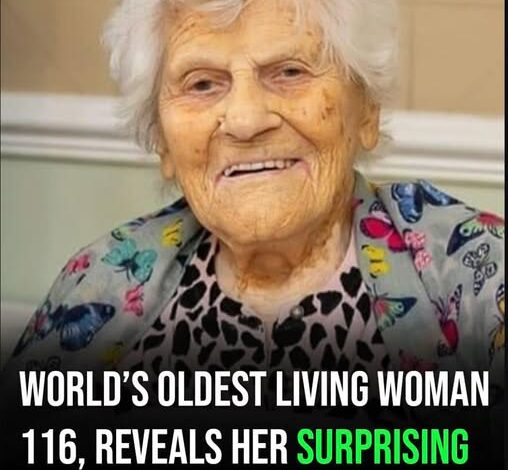
Ethel Caterham, born in 1909 in rural England, lived a life that spanned more than a century, embodying resilience, curiosity, and self-reliance in ways few could match. Her formative years in the English countryside nurtured a sharp eye for detail and an innate adaptability, qualities that would shape her decisions and relationships throughout her long life. Even as a child, she observed the subtleties of human behavior, learning lessons that would later inform her interactions in complex social environments.
As a teenager, Ethel ventured abroad as an au pair in British India, immersing herself in a culture and social hierarchy far removed from her own upbringing. This experience demanded independence, cultural sensitivity, and strategic thinking, all of which she mastered with quiet grace. Despite political turbulence and unfamiliar norms, she maintained composure, learning discretion and patience—skills that would later guide her personal and professional life.
Upon returning to England, she married army officer Norman Caterham, embarking on a life marked by travel, education, and cultural exchange. Military postings took the family to Hong Kong, Gibraltar, and Surrey, where Ethel balanced family responsibilities with new ventures. In Hong Kong, she founded a nursery that blended care, discipline, and play, reflecting progressive educational philosophies and a deep understanding of child development. The nursery welcomed both expatriate and local children, offering a structured yet nurturing environment that prioritized emotional growth as much as academic development.
Throughout her life, Ethel witnessed dramatic historical events—from World War II to post-war reconstruction—and navigated these challenges with calm pragmatism. When her husband passed away in 1976, she endured the loss with quiet dignity, supporting her daughters and maintaining her household without complaint. Her approach to life emphasized autonomy, emotional intelligence, and measured responses to adversity. Her guiding principle, “Never arguing with anyone. I listen and I do what I like,” reflected a philosophy of self-determination and inner calm that underscored decades of personal decision-making.
Remarkably, Ethel survived Covid-19 at the age of 110, a testament to her disciplined approach to health, consistent self-care, and mental resilience. Even in advanced age, she remained socially active, mentally sharp, and engaged with her community, demonstrating the interplay of physical vitality, emotional balance, and intellectual curiosity. Her cognitive faculties—memory, reasoning, and humor—remained strong, highlighting the importance of mental engagement in longevity.
Ethel’s family life was equally remarkable. She nurtured curiosity, respect, and cultural awareness in her daughters, preparing them to thrive across diverse environments. Her nursery work exemplified early childhood education principles well ahead of their widespread acceptance, emphasizing structured play, emotional support, and cross-cultural understanding. Friends and family describe her as gently stubborn yet kind, a combination that allowed her to navigate personal and societal challenges while maintaining autonomy and dignity.
Her life was formally recognized by Guinness World Records and honored by King Charles III, reflecting society’s admiration for her extraordinary longevity, wisdom, and contributions to family and community. Beyond accolades, her story provides a blueprint for purposeful, resilient living. Ethel balanced personal freedom with social responsibility, emotional intelligence with pragmatism, and curiosity with cultural awareness. Her daily habits—moderate nutrition, physical activity, social engagement, and reflection—complemented her philosophical approach, supporting both her longevity and quality of life.
Through decades of upheaval, technological change, and societal shifts, Ethel Caterham remained steadfast, observing circumstances with clarity and responding with thoughtfulness rather than fear. Her life underscores the importance of emotional regulation, mindfulness, and self-directed decision-making in cultivating resilience. She demonstrated that true longevity is not merely the absence of illness but the presence of purpose, social connection, intellectual engagement, and emotional equilibrium.
In summary, Ethel Caterham’s life, spanning over 110 years, stands as a testament to resilience, independence, and thoughtful living. From rural England to global travels, wartime challenges to personal loss, she navigated life with autonomy, curiosity, and grace. Her example illustrates that longevity is shaped not only by physiology but also by mindset, purposeful engagement, and the courage to live authentically. Ethel’s story continues to inspire, offering enduring lessons on human resilience, emotional intelligence, and the quiet power of self-directed life.