Nails are often thought of as purely cosmetic, something we trim, polish, or decorate—but in reality, they can reveal a great deal about your overall health. Subtle changes in their texture, color, thickness, or growth pattern can act as early signals of what’s happening inside your body. Paying attention to these signs can offer valuable insight long before other symptoms appear.
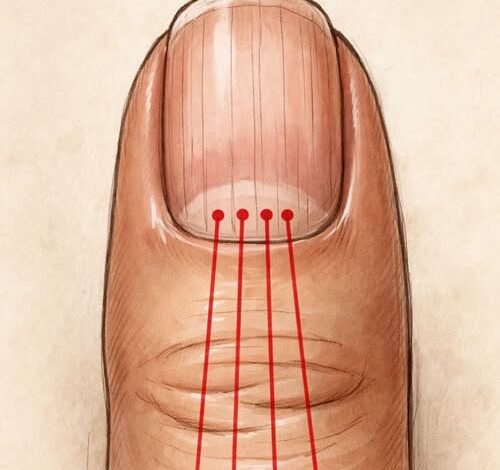
One of the most common changes people notice is the appearance of vertical ridges. These faint lines that run from the cuticle to the tip of the nail tend to become more visible with age. In many cases, they are completely harmless, simply reflecting natural changes in nail growth and cell turnover over time. As we get older, the body produces slightly less natural oil and moisture, which can make these ridges more noticeable.
However, not all nail changes should be dismissed so easily. When nails become brittle, thin, or prone to splitting, it may point to underlying nutritional deficiencies or imbalances. Because nails grow slowly and continuously, they are often one of the first places where the body shows signs of lacking essential nutrients.
Protein plays a central role in nail health. Nails are primarily made of keratin, a strong structural protein. If your diet doesn’t provide enough protein, your body may struggle to maintain strong, resilient nails. This can lead to softness, peeling, and increased breakage. Including protein-rich foods like eggs, chicken, fish, Greek yogurt, beans, lentils, and tofu helps support consistent keratin production and overall nail strength.
Vitamins are equally important. Biotin, also known as vitamin B7, is particularly well known for supporting nail thickness and durability. A deficiency in biotin may lead to brittle nails that break easily. Fortunately, it’s found in a variety of foods such as eggs, nuts, seeds, leafy greens, sweet potatoes, and salmon, making it relatively easy to include in a balanced diet.
Iron is another key nutrient that should not be overlooked. Low iron levels can cause nails to become thin, ridged, or even develop unusual shapes. This is often accompanied by symptoms like fatigue or weakness. Good sources of iron include lean red meat, poultry, lentils, chickpeas, pumpkin seeds, and dark leafy greens. For those following a plant-based diet, pairing iron-rich foods with vitamin C—such as citrus fruits, bell peppers, or tomatoes—can significantly improve absorption.
Zinc also contributes to healthy nail growth and repair. When zinc levels are low, nails may develop white spots, grow more slowly, or become fragile. Foods like oysters, beef, nuts, seeds, and whole grains can help maintain adequate zinc levels and support proper cellular function.
Moisture is another critical factor that’s often overlooked. Dry nails are far more likely to develop ridges, cracks, and splits. Healthy fats—especially omega-3 fatty acids—help keep nail beds hydrated and flexible from the inside out. Fatty fish like salmon, sardines, and mackerel, along with plant-based options like chia seeds, flaxseeds, and walnuts, are excellent sources of these beneficial fats.
Hydration, in general, plays a major role in nail health. Drinking enough water supports not just your nails, but your skin, hair, and internal systems as well. Incorporating water-rich foods such as cucumbers, oranges, and watermelon can further support hydration levels and overall vitality.
It’s important to remember that nail improvements don’t happen overnight. Nails grow slowly—typically only a few millimeters per month—so any changes in diet or lifestyle may take several weeks or even months to become visible. Consistency is key. Rather than looking for quick fixes, focus on maintaining a steady, nutrient-rich routine over time.
At the same time, not all nail changes are related to nutrition. Certain signs may indicate a more serious underlying issue. Deep horizontal ridges (known as Beau’s lines), significant discoloration, dark streaks, persistent pain, or sudden changes in nail shape should be evaluated by a healthcare professional. These symptoms can sometimes point to infections, systemic conditions, or other medical concerns that require proper attention.
Ultimately, strong and healthy nails are a reflection of overall well-being. By prioritizing a balanced diet rich in protein, vitamins, minerals, and healthy fats—along with proper hydration—you create the conditions your body needs to maintain resilient nails.
It’s not about achieving flawless nails, but about supporting your body in a consistent, sustainable way. Small daily habits—what you eat, how you hydrate, and how you care for yourself—add up over time. And often, your nails are one of the first places where those efforts quietly begin to show.