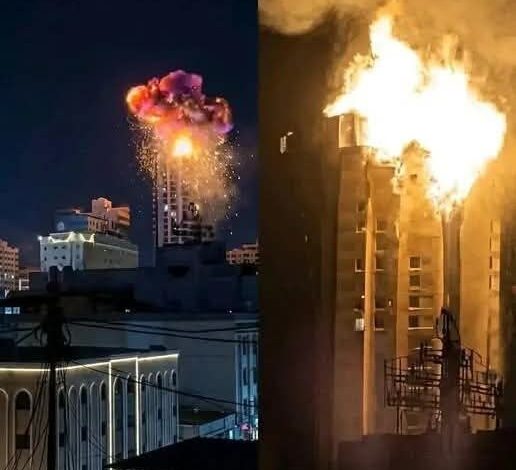
Reports circulating about possible Iranian missile activity targeting U.S. military facilities in the Persian Gulf describe a rapidly developing and potentially dangerous situation. However, during moments of breaking international news—especially those involving military action—it is essential to approach early information cautiously and wait for reliable verification.
When claims involve ballistic missile launches, regional airspace closures, and attacks on multiple military locations, confirmation from official sources becomes crucial before drawing conclusions. Facilities frequently mentioned in early reports include Al Dhafra Air Base in the United Arab Emirates, Al Udeid Air Base in Qatar, and the headquarters of the U.S. Fifth Fleet in Bahrain. These installations are key strategic sites in the region, so any confirmed attack would represent a significant escalation.
Situations of this magnitude typically generate rapid responses from multiple authorities. Verified incidents generally involve:
- Official statements from the U.S. Department of Defense or other American military leadership
- Public announcements from defense ministries in Gulf nations
- NOTAMs (Notices to Airmen) indicating confirmed airspace restrictions
- Satellite monitoring and independent security analysis confirming activity on the ground
When large-scale military operations occur, information from these sources tends to appear quickly, as both governments and international observers seek to clarify what is happening.
It is also important to recognize that early reports during fast-moving events are often incomplete or misinterpreted. In previous periods of regional tension, there have been instances where alerts, missile interceptions, or precautionary airspace limitations occurred without resulting in a wider conflict.
Several Gulf countries host U.S. military installations and missile defense systems, including Patriot batteries designed to intercept incoming threats. Because these defensive systems operate during heightened alerts, reports about interceptions or military movements can sometimes lead to confusion before full details are available.
For those closely following the situation, relying on credible and verified sources is essential. This includes:
- Official updates from the U.S. Department of Defense
- Statements from UAE, Qatari, and Bahraini government authorities
- Aviation updates from agencies such as the UAE General Civil Aviation Authority (GCAA), Qatar Civil Aviation Authority, and Bahrain Civil Aviation Affairs
- Reporting from established international news agencies rather than unverified single-source claims
For residents living in the region, general safety guidance during security alerts usually includes:
- Following instructions issued by national emergency management authorities
- Avoiding military facilities or restricted areas
- Monitoring official government communication channels for updates
At this stage, without confirmation from multiple authoritative sources, the situation should be viewed as developing and unverified rather than definitively confirmed. As more information becomes available through official channels and independent verification, a clearer understanding of events will likely emerge.