Meryl Streep Criticizes Melania Trump’s Fashion Choice in Vogue Cover Interview with Anna Wintour

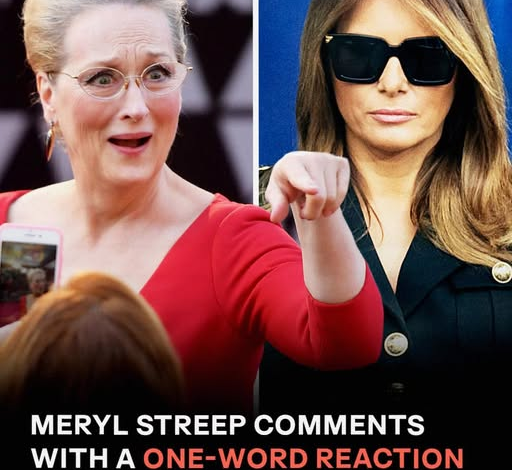
Meryl Streep has once again sparked conversation around the public image of Donald and Melania Trump, revisiting a controversial fashion moment that continues to draw attention years later.
During a recent interview with Vogue, Streep spoke with former editor-in-chief Anna Wintour about the connection between fashion and identity. While the discussion began broadly—highlighting figures like Michelle Obama for their authentic sense of style—it eventually shifted toward Melania Trump.
Wintour noted that Melania consistently presents a distinct personal image through her clothing. However, Streep offered a more critical perspective, pointing to one specific outfit that, in her view, carried a powerful and unsettling message.
She referenced the widely debated jacket Melania wore in 2018 while visiting migrant children at the U.S.-Mexico border. The coat, which read “I Really Don’t Care, Do U?” on the back, drew intense backlash at the time due to the circumstances surrounding the visit.
Reflecting on that moment, Streep suggested the message went beyond fashion, calling it deeply impactful and even “destabilizing.” She emphasized that clothing can serve as a form of expression, but it also exists within broader political and historical contexts.
When the jacket first made headlines, Melania initially downplayed its meaning but later clarified that it was directed at critics rather than the children she was visiting. She stated that the media’s focus on her wardrobe overshadowed her work and initiatives.
For Streep, however, the issue connects to a larger pattern. She revisited remarks she made during her 2017 Golden Globes speech, where she criticized Donald Trump for mocking a reporter with a disability during his campaign. At the time, she argued that such behavior from powerful figures can influence public attitudes and normalize disrespect.
According to Streep, moments like these matter because they shape broader cultural behavior, reinforcing the idea that actions from those in power carry consequences beyond the immediate moment.
Meanwhile, recent appearances by Donald and Melania Trump—such as the 2026 White House Easter Egg Roll—have continued to generate public scrutiny. While the event itself followed long-standing tradition, online discussions quickly shifted focus to Melania’s appearance.
Social media users offered mixed reactions, with some praising her elegance and others questioning whether she looked like herself in the photos. Speculation even surfaced suggesting the presence of a “double,” highlighting how closely her image is analyzed.
From past controversies to present-day appearances,