The Ultimate Sacrifice, Why a Son Risked Everything to Give His Father a Second Chance at Life and the Medical Miracle That Followed

Living liver donation stands as one of the most powerful expressions of human connection—an act where love is not just spoken but physically given. When a healthy person willingly undergoes major surgery to save someone they care about, it reveals something deeper than obligation or duty. It reflects a bond rooted in trust, sacrifice, and a quiet understanding that some relationships are worth any risk. For many families facing the uncertainty of organ failure, living donation becomes more than a medical option—it becomes a lifeline when hope feels distant.
The liver itself is extraordinary, unlike any other organ in the body. Its ability to regenerate has reshaped what modern medicine can offer. When a portion is removed from a donor—sometimes as much as half—both the donor’s remaining liver and the transplanted segment in the recipient begin a remarkable process of regrowth. Within weeks, function is restored; within months, size and strength return to near normal. This regenerative power transforms what might seem like an irreversible loss into a shared recovery, where both lives move forward together.
Behind every transplant is a story, often marked by urgency, fear, and ultimately, decision. Imagine a daughter learning that her mother’s liver is failing, or a brother realizing time is running out for someone he has known his entire life. In these moments, the choice to donate is rarely impulsive—it is shaped by years of shared memories, quiet loyalties, and the unspoken understanding of what that person means to them. Stepping forward is only the beginning. Potential donors undergo extensive evaluations—physical exams, imaging scans, psychological assessments—all designed to ensure not only compatibility but also that the decision is fully informed and freely made.
When the call finally comes—when doctors confirm that the match is viable—it often feels like a fragile kind of victory. Relief mixes with apprehension. Families begin preparing not just for surgery, but for everything that follows.
The procedure itself is a carefully coordinated effort, a demonstration of precision and collaboration. In separate operating rooms, two surgical teams work simultaneously. Timing is critical. Every step is calculated to minimize risk and ensure the transplanted liver segment begins functioning as quickly as possible. It is a moment where science and human intention meet—where years of training, technology, and trust converge in a single, life-altering event.
In the days after surgery, small changes become monumental. A recipient who once appeared exhausted and weakened may begin to regain color in their skin, clarity in their eyes, and strength in their voice. These transformations are often subtle at first, but to those who have witnessed the decline, they feel nothing short of extraordinary.
Yet recovery is not without its challenges. For donors, the journey requires patience and resilience. The body must heal from a major operation, and that process can include discomfort, fatigue, and temporary complications such as infections or digestive adjustments. Even with excellent outcomes, it can take weeks or months before normal routines feel fully restored.
Recipients, too, face a complex path. Medications to prevent organ rejection, regular monitoring, and the emotional weight of having received such a profound gift all become part of daily life. There is gratitude, certainly—but also responsibility, and sometimes even guilt, as they process what someone else has given up for them.
Within families, the impact often goes far beyond the medical outcome. Experiences like this have a way of reshaping relationships. Old disagreements lose their significance. Priorities shift. What once felt urgent or important may no longer carry the same weight. In its place grows a deeper appreciation—for time, for presence, for the simple act of being together.
Support networks naturally expand during this period. Relatives, friends, and even neighbors step in, offering meals, transportation, or simply companionship. What begins as a medical crisis often becomes a shared effort, reinforcing the idea that no one truly goes through it alone.
Over time, the meaning of the donation evolves. It becomes less about the surgery itself and more about what it made possible. A parent regains the strength to attend milestones they once feared missing. A grandparent finds the energy to engage with younger generations. Everyday moments—walking, talking, laughing—take on a renewed significance.
Living liver donation is, at its core, a reminder of what people are capable of when faced with the vulnerability of someone they love. It highlights not just the advancements of modern medicine, but the enduring strength of human compassion. Technology may make the procedure possible, but it is the willingness to give—to risk, to endure, to hope—that truly defines it.
As medicine continues to evolve, these stories remain essential. They ground innovation in humanity. They remind us that behind every surgical success is a relationship, a decision, and a belief that some lives are inseparable from our own.
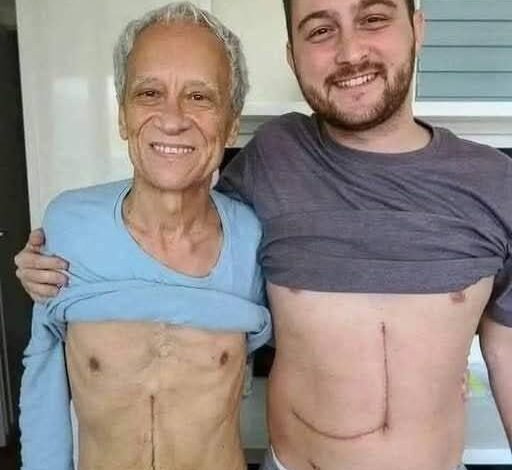
And in that belief, something remarkable happens—not just healing, but a deepening of connection that continues long after the scars have faded.