Natural Teeth Whitening with Cloves and Bay Leaves, Exploring How Their Antibacterial and Polishing Properties Help Reduce Plaque, Freshen Breath, And Support Healthier Smiles Through Simple Home Remedies, Offering A Gentle Alternative To Harsh Chemicals While Promoting Oral Hygiene With Easy, Affordable Ingredients Used Consistently For Better Dental Care Results

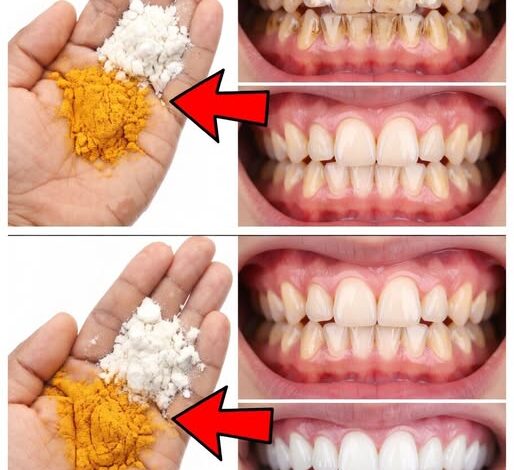
In recent years, there has been a noticeable shift toward simpler, more natural approaches to everyday care—especially when it comes to something as visible and confidence-shaping as a smile. Surrounded by shelves of highly processed products, complex chemical formulas, and bold marketing promises, many people are beginning to pause and ask a simple question: do effective solutions always have to come from a lab, or have some of them been quietly sitting in our kitchens all along?
This renewed curiosity has sparked interest in traditional ingredients—things like cloves and bay leaves—that have been used for generations, not just for cooking, but for daily wellness practices. At first glance, the idea of using common spices for oral care might seem unusual. Yet, when placed in a broader historical and cultural context, it reflects something deeper: a return to knowledge that predates modern toothpaste and commercial dental products.
These ingredients were never meant to deliver instant, dramatic transformations. Instead, they were used consistently and thoughtfully, supporting the body in subtle, natural ways. Their growing popularity today is less about trend and more about rediscovery—an attempt to understand how gentle, plant-based compounds can contribute to oral health without overwhelming the body.
Cloves, in particular, have earned a longstanding place in traditional oral care. Their value lies not in cosmetic enhancement, but in their functional support of overall dental health. Rich in natural antibacterial compounds, cloves help reduce harmful bacteria in the mouth—one of the primary contributors to plaque buildup and bad breath.
This is important because plaque is more than just a surface issue. It is often the starting point for more serious concerns, including gum inflammation and tooth decay. By helping to control bacterial growth, cloves contribute to a cleaner, more balanced oral environment.
In addition to their cleansing properties, cloves are also known for their mild anti-inflammatory effects. This can offer a soothing sensation for gums, especially for those who experience occasional sensitivity or irritation. Rather than acting aggressively, as some commercial products do, cloves work in harmony with the mouth’s natural defenses—supporting, rather than disrupting, its balance over time.
Bay leaves, though less commonly associated with dental care, bring their own quiet strengths to the mix. When dried and ground into a fine powder, they can act as a gentle polishing agent for teeth. Unlike many commercial whitening treatments that rely on strong bleaching chemicals, bay leaves work gradually, helping to lift surface stains without damaging the enamel.
This distinction is crucial. Tooth enamel does not regenerate easily, and once it is worn down, it can lead to increased sensitivity and long-term damage. A gentle approach that preserves enamel while improving appearance offers a more sustainable path to maintaining a healthy smile.
Beyond their polishing ability, bay leaves also contain antibacterial properties that complement the effects of cloves. Together, these two ingredients create a balanced combination—addressing both the cleanliness and appearance of teeth while supporting the underlying health of the gums and enamel.
When combined into a fine powder, cloves and bay leaves form a simple yet versatile remedy. The preparation process—drying and grinding them into a smooth, consistent texture—is key to their effectiveness. A finely ground mixture ensures even application, allowing it to interact gently with the surfaces of the teeth without causing unnecessary abrasion.
Applied with a damp toothbrush, the mixture can be used as a light, occasional addition to a regular oral care routine. Allowing it to sit briefly before rinsing gives the natural compounds time to take effect, though moderation is essential. This is not a treatment designed for intensity or frequent use, but rather one that works best through consistency and care.
Part of its appeal lies in its simplicity. It requires no specialized tools, no expensive products—just patience and mindful use. It can be easily incorporated into an existing routine, offering a natural complement rather than a complete replacement.
At the same time, it is important to approach natural methods with realistic expectations. While cloves and bay leaves can support oral hygiene and contribute to a brighter appearance, they are not substitutes for established dental practices. Brushing with fluoride toothpaste, flossing regularly, and visiting a dentist remain essential for long-term oral health.
Natural remedies should be viewed as supportive additions—enhancing what is already in place rather than replacing it. Individual responses can also vary. Some people may experience sensitivity or have underlying dental conditions that require professional guidance. Consulting with a dentist before introducing new practices ensures that these methods are both safe and suitable.
Ultimately, the growing interest in ingredients like cloves and bay leaves is about more than just oral care—it reflects a broader mindset. It is a reminder that effective solutions do not always need to be complicated or costly. Sometimes, the simplest ingredients can offer meaningful benefits when used with intention.
Incorporating these elements into your routine can create a sense of connection to traditional practices—approaches rooted in observation, patience, and respect for the body’s natural processes. At the same time, it encourages a more thoughtful perspective on health, prompting you to consider not just what you use, but how and why you use it.
A brighter smile, in this sense, becomes more than a cosmetic goal. It becomes a reflection of consistent, balanced care—where modern knowledge and traditional wisdom work side by side to support long-term well-being.