Only those who have been around for a long time will recognize this as a remnant from the past!

Introduction: A Simple Tool With a Rich History
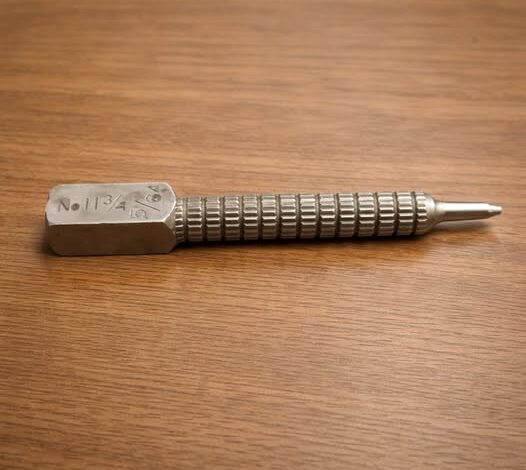
If you have ever explored an old toolbox in a basement or garage, you might have come across a small metal instrument with a pointed tip and a textured grip. That tool is often a vintage Stanley punch—a classic piece of equipment that was once considered essential in homes, workshops, and repair benches.
Even today, in a world filled with digital measuring tools and modern power equipment, the Stanley punch still represents practical skill, patience, and dependable craftsmanship.
What It Is: Understanding the Vintage Stanley Punch
A vintage Stanley punch is a hand tool designed to make a small indentation in a surface, usually metal or wood. This tiny mark serves an important purpose: it gives a drill bit a precise place to start.
By creating that small guide point, the punch helps:
- Keep drill bits from sliding across smooth surfaces
- Ensure holes are drilled exactly where intended
- Reduce the risk of damaging materials during drilling
How It Works: Straightforward and Effective
Using a punch like this is simple but highly effective:
- Position the pointed tip exactly where the hole should begin.
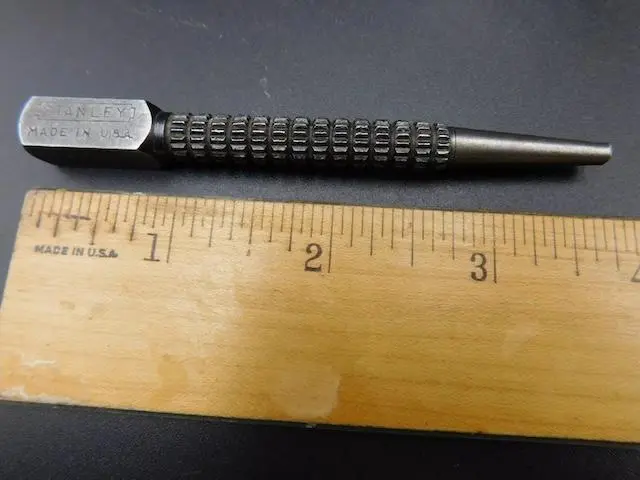
- Grip the tool firmly using the knurled (textured) handle.
- Strike the top of the punch with a hammer.
- The impact leaves a small indentation that guides the drill bit.
Though it may seem like a minor step, that single mark can mean the difference between precise work and a misplaced hole.
Design Features That Built Its Reputation
The reason Stanley punches became so trusted was their strong and practical construction. Key features included:
- Hardened steel construction, designed to withstand repeated hammer strikes
- Knurled grips, allowing secure handling even when hands were oily or gloved
- A finely shaped tip, capable of marking tough or smooth materials
- Durability, often lasting long enough to be handed down through generations
These tools were built with longevity in mind, reflecting a time when quality mattered above all else.
Common Uses: A Tool for Professionals and Homeowners
Although professionals relied on them heavily, the Stanley punch also became common in household toolkits.
Typical users included:
- Carpenters, who used it to mark drill points and avoid wood splitting
- Metalworkers, who needed accurate starting marks on hard metal surfaces
- Mechanics, who depended on it when drilling into engine parts or metal panels
- DIY homeowners, tackling repairs, furniture assembly, and small projects
Because of its reliability, the punch often became a quiet but essential companion in everyday repair work.
Why Vintage Tools Still Capture Interest
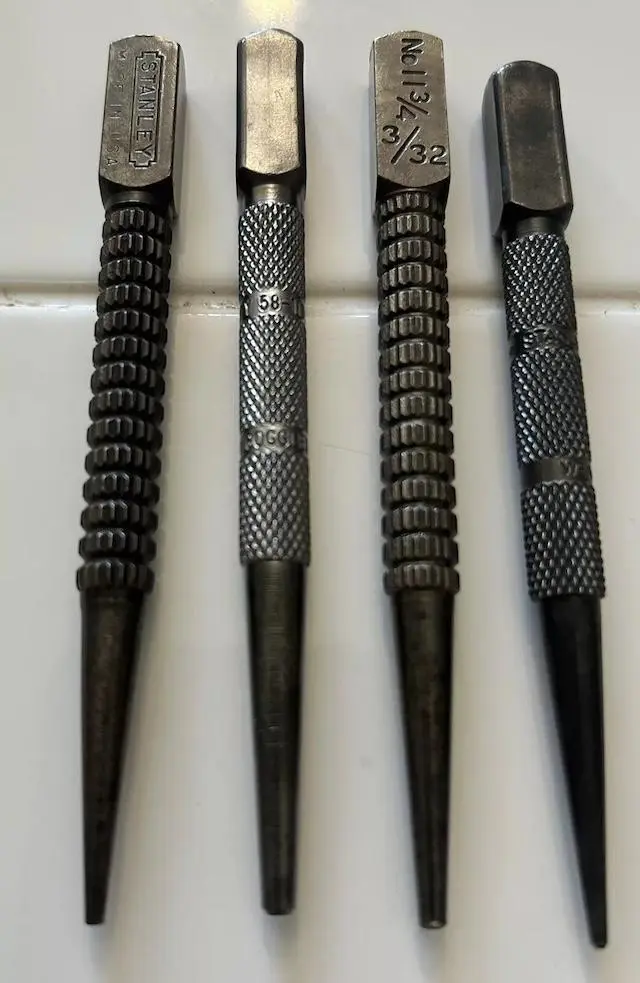
Vintage tools like the Stanley punch continue to appeal to collectors and craftsmen because they represent values that many people still admire:
- Purposeful simplicity without unnecessary features
- Strong construction meant to last decades
- The satisfaction that comes from skilled, hands-on work
Holding one today can feel like connecting to a time when tools were built to serve faithfully for years rather than be replaced quickly.
Historical Meaning: A Reflection of Practical Skill
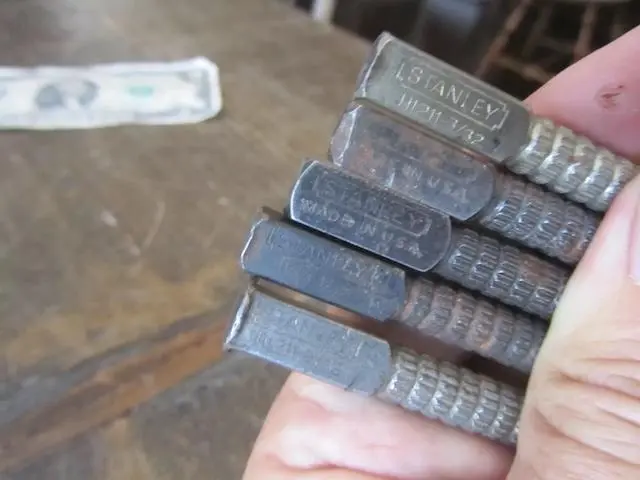
The vintage Stanley punch also reflects an era—particularly the mid-20th century—when home repair and DIY projects were an important part of everyday life.
For many households, tools like this symbolized independence and capability. They often represented:
- A first lesson in practical skills for younger generations
- The familiar sound of hammer on steel in a busy garage
- Knowledge and tools passed down from parents to children
Conclusion: A Small Tool With a Lasting Legacy
At first glance, the vintage Stanley punch may appear simple. Yet its purpose has always been important—helping workers achieve accuracy, avoid mistakes, and complete projects with care.
If you ever discover one tucked away in an old toolbox, take a moment to appreciate it. That small tool represents more than just a workshop accessory—it reflects a long tradition of precision, durability, and pride in craftsmanship.