Global Tensions and the Growing Focus on Household Preparedness
The geopolitical situation in early 2026 has drawn intense attention from governments, analysts, and the global public. A series of dramatic developments over a single weekend significantly raised concerns about regional stability. Reports of coordinated U.S.–Israeli military strikes targeting Tehran—allegedly resulting in the death of Iran’s Supreme Leader, Ayatollah Ali Khamenei—have fueled fears of a broader escalation across the Middle East.
As President Donald Trump described the operation as a necessary step to counter a potential nuclear threat, Iran responded with waves of missile and drone attacks across the region. Military assets and infrastructure in Israel, Bahrain, Kuwait, Qatar, Jordan, and the United Arab Emirates were reportedly affected.
Amid these developments, conversations within many households have shifted toward personal preparedness. With uncertainty dominating global headlines, families are increasingly considering how ready they are for potential disruptions that could impact daily life.
Preparedness Beyond Geopolitics
While international conflict has intensified public interest in emergency readiness, experts emphasize that preparedness is not limited to geopolitical crises. Building a household emergency kit is equally important for natural disasters, extended power outages, severe weather events, or disruptions to supply chains.
Emergency management specialists often stress that the first few days of any crisis are the most critical. During this time, local authorities and relief organizations may still be mobilizing resources, making household self-sufficiency essential.
Recognizing this reality, the European Commission previously encouraged residents to maintain a supply of essential items capable of sustaining them for at least 72 hours. According to preparedness officials, including European Commissioner for Preparedness and Crisis Management Hadja Lahbib, this three-day window is crucial for maintaining stability during emergencies.
Water: The Most Critical Resource
At the core of every emergency preparedness plan is access to clean drinking water. Infrastructure failures or damage during a crisis can quickly disrupt municipal water systems, making stored supplies vital.
Preparedness guidelines generally recommend keeping at least one gallon of water per person per day for drinking and basic hygiene. For a household of four, this means storing approximately twelve gallons to cover the recommended three-day emergency period.
Water should be stored in durable, food-grade containers and replaced every six months to maintain freshness and safety.
Building a Reliable Food Supply
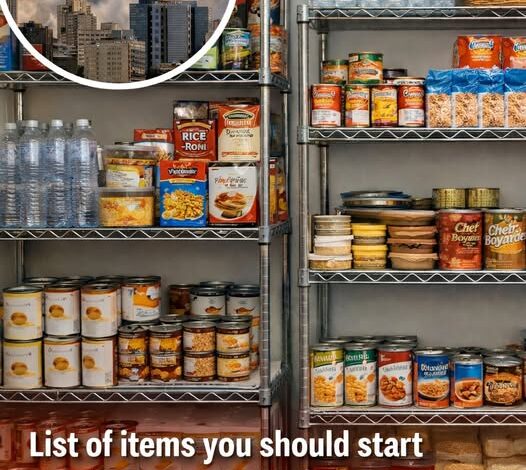
Food security is the next essential component of any emergency kit. The most practical choices are non-perishable foods that require little preparation or cooking.
Canned foods such as vegetables, fruits, soups, and meats provide balanced nutrition and long shelf lives. It is important to include a manual can opener to access these items during a power outage.
Other useful options include protein bars, nuts, dried fruit, and other high-energy snacks that are easy to store and consume. Families should also consider the specific needs of household members, including infant formula, baby food, or specialized nutritional products required by elderly individuals or those with medical conditions.
Staying Connected During Power Disruptions
Communication and energy access become especially important during emergencies. In situations where electricity and internet service are unavailable, staying informed can be challenging.
A battery-powered or hand-crank radio remains one of the most reliable tools for receiving emergency broadcasts and official updates. Flashlights with spare batteries are also essential, offering safer lighting alternatives than candles.
Portable power banks can help keep phones and other communication devices charged. Solar-powered chargers provide an additional layer of reliability, especially during extended outages.
Health, Medical Supplies, and Sanitation
Health considerations are another key part of emergency planning. A well-stocked first-aid kit should include basic supplies such as bandages, antiseptic wipes, medical tape, and gauze.
However, preparedness goes beyond basic first aid. Families are encouraged to keep at least a two-week supply of prescription medications, along with common over-the-counter remedies like pain relievers, fever reducers, and antacids.
Maintaining hygiene during disruptions is equally important. Supplies such as hand sanitizer, wet wipes, and heavy-duty garbage bags can help households manage sanitation when water access is limited, reducing the risk of illness during stressful conditions.
Protecting Important Documents and Financial Access
Another important aspect of preparedness involves safeguarding critical documents and maintaining financial flexibility.
In large-scale disruptions, electronic payment systems may temporarily fail. Keeping a small amount of cash in small denominations can make it easier to purchase essential goods if digital transactions are unavailable.
Families should also store important documents—such as passports, birth certificates, insurance policies, and property records—in a waterproof and fireproof container. Digital copies saved on a secure USB drive can provide additional protection.
It is also wise to maintain a written list of important phone numbers in case mobile devices are lost or inaccessible.
Preparedness Without Panic
Experts often emphasize that emergency planning should be approached calmly and thoughtfully rather than through fear-driven stockpiling. The purpose of maintaining basic supplies is not to hoard resources but to strengthen community resilience.
When households can independently manage the first 72 hours of a crisis, emergency responders are better able to focus on individuals who need immediate assistance—such as the elderly, injured, or those in particularly vulnerable situations.
This type of civilian preparedness supports broader societal stability during periods of stress.
Preparing for an Uncertain World
The events unfolding in early 2026 serve as a reminder of how interconnected the modern world has become. Developments in one region can quickly influence economies, supply chains, and everyday life across the globe.
Whether current geopolitical tensions lead to further escalation or eventually ease through diplomacy, the practice of preparedness remains valuable. Having a plan and maintaining basic supplies can provide reassurance in times of uncertainty.
By taking simple steps—checking emergency kits, rotating stored supplies, and discussing preparedness plans with family members—households can build confidence and resilience.
The Value of Readiness
Guidance from organizations such as the European Commission and national emergency agencies highlights an important lesson: while crises cannot always be predicted, preparation is within everyone’s control.
True resilience is built gradually through small actions—storing water, maintaining emergency supplies, and staying informed.
Ultimately, the most important outcome of preparedness is peace of mind. Knowing that a household has taken practical steps to protect its members can provide stability even during uncertain times.