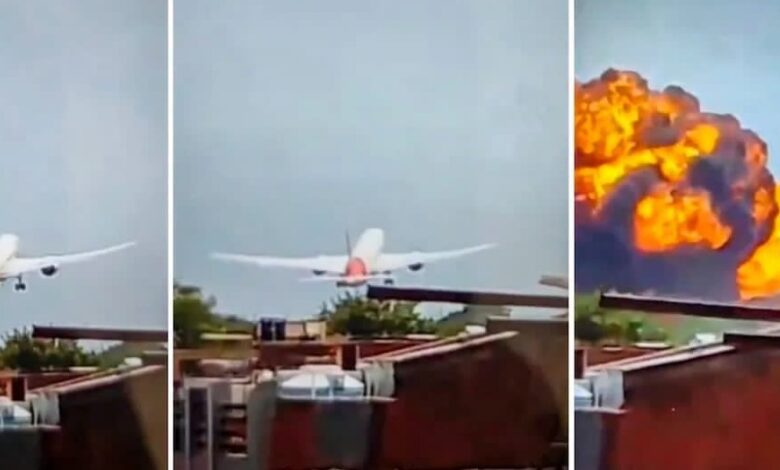
The digital era has created a world where information spreads almost instantly. While this speed can be beneficial, it often comes at the expense of accuracy. On February 26, 2026, alarming headlines began circulating online, claiming that a commercial airplane carrying more than 244 passengers and crew had crashed. The story spread rapidly across social media platforms, news aggregators, and messaging apps.
These posts were designed to provoke an immediate emotional reaction. Many featured bold capital letters, urgent language, dramatic emojis, and clickable “see more” links intended to drive engagement. Yet as time passed, the situation became less about a confirmed aviation disaster and more about how quickly misinformation can spread in the modern digital environment.
Why Aviation Headlines Spread So Quickly
Reports involving aviation accidents often gain traction because of the emotional weight they carry. Air travel represents one of the most advanced achievements in modern engineering, but it also carries a perception of high risk when something goes wrong.
When people read a headline mentioning hundreds of passengers, they instinctively imagine the lives behind the number—families, professionals, students, and travelers whose safety suddenly appears uncertain. This emotional response can lead people to share the information quickly, often without verifying whether it is accurate.
Creators of misleading content understand this reaction and often rely on it to increase traffic and visibility.
The Information Gap During Breaking News
In the early moments following a suspected emergency, there is often little verified information available. This temporary gap can easily be filled with speculation.
Misinformation posts frequently avoid specific details. They might mention a large number of passengers but fail to include the airline name, flight number, airport, or exact location of the incident. This lack of verifiable information is often a warning sign.
In legitimate aviation incidents, official organizations quickly begin coordinated communication. Aviation safety authorities such as the National Transportation Safety Board (NTSB) or equivalent international agencies work alongside airlines and established media outlets to confirm facts before releasing updates.
Real reporting typically includes clear details—flight numbers, departure times, passenger counts, and information from official sources.
The Problem of Recycled Images
Another common tactic used in viral misinformation is the reuse of photographs from unrelated events. Images from older aviation accidents are sometimes repurposed to create the impression that a new disaster has occurred.
When readers see dramatic images of wreckage or smoke alongside alarming headlines, the visual impact can make the story feel authentic, even when it is not.
This practice can have serious consequences. It not only spreads false information but can also reopen emotional wounds for people affected by past tragedies whose images are being reused.
The Importance of Media Literacy
In today’s information environment, the ability to verify sources has become an essential skill. Responsible readers often look for confirmation from multiple credible outlets before accepting a major claim as true.
If an aviation accident involving hundreds of passengers had truly occurred, it would quickly become a major international news story reported simultaneously by established organizations such as BBC, CNN, Reuters, and major aviation authorities.
When a claim appears only on anonymous blogs or unfamiliar social media accounts, it should be treated with caution.
The Real Human Impact of False Reports
False or premature reports of aviation disasters can cause genuine distress. People with family members traveling may begin frantically checking flight trackers or contacting airlines, fearing the worst.
Customer service teams and emergency responders may also receive a surge of inquiries triggered by inaccurate reports.
In some cases, misinformation has even led to incorrect passenger lists circulating online or unfounded speculation about the causes of accidents before investigators have had time to review evidence.
Why Patience Matters
In an era where people expect immediate updates, waiting for verified information can feel difficult. However, accurate reporting requires time.
Investigators must confirm passenger manifests, analyze radar data, and coordinate with aviation authorities before releasing reliable information. While this process may appear slow compared to social media posts, it ensures that the facts being reported are correct.
When tragedy does occur, accurate information allows communities to respond with clarity and respect.
Choosing Facts Over Panic
When dramatic headlines appear online, the most responsible response is cautious skepticism. Waiting for confirmation from credible sources helps prevent the spread of fear and misinformation.
Despite occasional incidents, aviation remains one of the safest forms of transportation. Every accident is investigated carefully and thoroughly by international safety agencies.
In a digital world filled with constant updates and rumors, the most powerful action readers can take is simple: pause, verify, and rely on trustworthy information before sharing.
Respect for truth—and for the people who may be affected by the news—should always come before speed.