Sleeping on Your Right Side Can Transform Your Nights in Ways You Never Imagined, Improving Circulation, Supporting Your Heart and Digestion, Easing Spine Tension, and Boosting Overall Comfort, but Only if You Pay Attention to Subtle Signals Your Body Sends and Make These Simple Adjustments That Experts Recommend

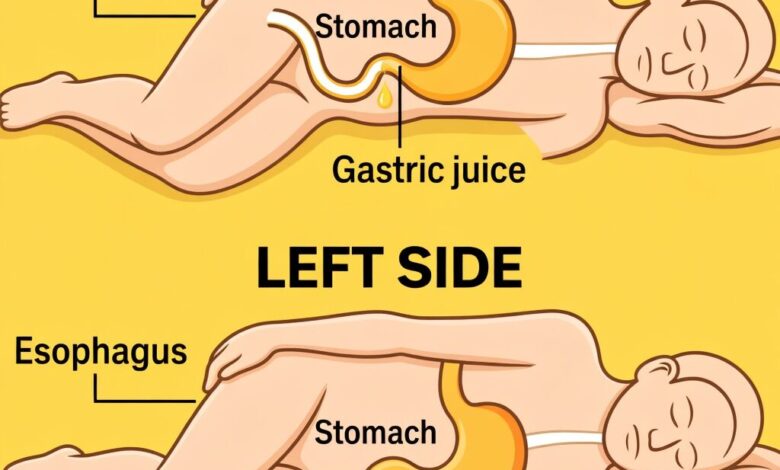
Sleeping on your right side is more than a matter of comfort—it can have a meaningful impact on your overall health and well-being. For centuries, people have intuitively gravitated toward positions that feel natural, but modern science now offers clear guidance on how to optimize this popular sleeping posture. When done correctly, right-side sleeping can support circulation, digestion, and spinal alignment—but small adjustments in posture, pillow placement, and mattress choice can make a significant difference.
Even subtle signals during sleep—tossing and turning, mild shoulder or hip discomfort, or digestive disturbances—may indicate your body isn’t fully benefiting from your chosen position. By noticing these cues and making targeted changes, you can improve the quality of your rest and enhance long-term wellness.
Pillow Support Matters
Proper pillow placement is one of the simplest yet most effective ways to enhance right-side sleeping. A pillow that maintains natural neck and spinal alignment prevents stiffness, soreness, and tension. Too high or too low a pillow can strain the neck and affect circulation. Ideally, the pillow should fill the gap between your head and shoulder, keeping your spine straight while allowing muscles to relax fully.
Mattress Alignment
The mattress you sleep on also plays a critical role. A mattress that’s too soft may cause your body to sink, misaligning the spine and straining shoulders and hips. A mattress that’s too firm may prevent your body from settling into a supportive position. Medium-firm mattresses often strike the right balance, offering comfort while promoting spinal alignment and relieving pressure points.
Posture Adjustments
Many people unknowingly compromise their posture while sleeping. Curling too tightly can restrict breathing, while over-stretching may misalign the lower back and hips. Simple tweaks—like gently bending your knees and placing a pillow between them—can reduce tension, maintain hip alignment, and allow better circulation and oxygen flow throughout the night.
Health Benefits
Sleeping on your right side offers more than comfort. Proper alignment supports circulation, allowing blood to deliver oxygen and nutrients efficiently. Digestive health can improve as gravity aids natural movement through the digestive tract. Spinal alignment reduces strain on the nervous system, encouraging relaxation and overall restorative sleep.
Fine-Tuning for Comfort
Even minor discomfort—like tossing, mild stiffness, or restlessness—can signal that your body isn’t fully supported. Adjusting pillow height, mattress firmness, or leg position can transform your sleep from adequate to restorative. Over time, these small tweaks accumulate, enhancing wellness in ways that may not be immediately noticeable but are profoundly beneficial.
Consistency Is Key
Regularly sleeping on your right side, paired with proper support and posture, helps the body adopt healthy alignment patterns. This can prevent chronic discomfort, support cardiovascular health, and improve sleep quality. Mindful attention to your body’s subtle signals ensures that this simple habit becomes a foundation for long-term well-being.
Conclusion
Right-side sleeping is widely recommended for its benefits to circulation, digestion, and spinal alignment. But to maximize these advantages, attention to pillow support, mattress selection, and posture is essential. By listening to your body and making small adjustments, you can turn a nightly habit into a restorative, health-boosting routine. With the right approach, you’ll wake refreshed, energized, and better equipped for the day ahead, while nurturing wellness that compounds over time.