The Silent Warning In Your Mouth Why Ignoring That Tiny Spot Could Be The Most Dangerous Mistake Of Your Life

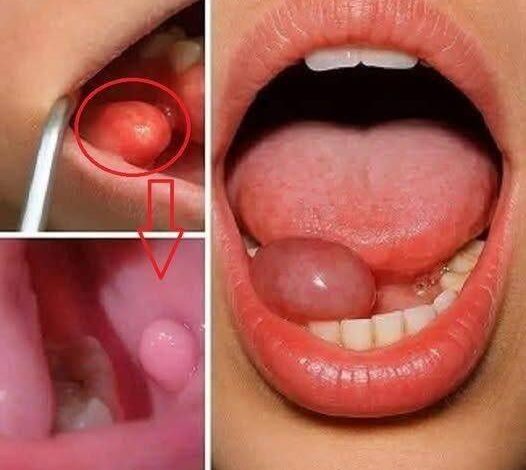
The human mouth is one of the most active and essential parts of the body. It allows us to eat, speak, and express ourselves every single day. Yet, despite how often we use it, most people rarely pay close attention to subtle changes inside it. This lack of awareness is one of the main reasons oral cancer—also known as mouth cancer—can develop quietly, often going unnoticed in its early stages.
Oral cancer can affect several areas, including the tongue, gums, lips, inner cheeks, and the roof or floor of the mouth. Because these tissues are constantly moving and exposed to everyday irritation, early warning signs are easy to dismiss or confuse with minor issues like ulcers or small injuries.
Health experts, including the American Cancer Society, emphasize that early detection is critical. When caught in its early stages, oral cancer is significantly easier to treat and often requires less aggressive intervention. The challenge, however, is that the first symptoms are usually subtle and painless, making them easy to overlook.
One of the most common early signs is a sore or ulcer that does not heal. In most cases, minor mouth injuries heal within one to two weeks. If a sore persists beyond that timeframe, it should not be ignored. Even if it is not painful, it is important to have it evaluated by a healthcare professional.
Changes in the color or texture of the mouth lining are another important warning sign. White patches (known as leukoplakia) or red patches (erythroplakia) can appear inside the mouth. While not all of these patches are dangerous, some may develop into cancer over time. Any unusual thickening, roughness, or discoloration should be checked.
Other symptoms may be less visible but equally important. These can include unexplained bleeding, lumps in the mouth or neck, numbness in certain areas, or persistent discomfort in the jaw or ears. As the condition progresses, it may interfere with everyday functions such as chewing, swallowing, or speaking. In some cases, chronic bad breath that doesn’t improve with good hygiene can also be a sign.
Several risk factors increase the likelihood of developing oral cancer. Tobacco use—whether smoking or chewing—is the most significant. Alcohol consumption also plays a major role, especially when combined with tobacco. In recent years, infection with the human papillomavirus (HPV) has become an increasingly recognized cause, particularly among younger individuals who may not have traditional risk factors.
Additional contributors include a poor diet, a weakened immune system, and prolonged sun exposure to the lips. While oral cancer is more common in individuals over the age of 40, it is no longer limited to that age group.
Regular dental checkups are one of the most effective ways to catch early signs. Dentists are trained to examine the soft tissues of the mouth and can often detect abnormalities before symptoms become severe. These routine visits can make a critical difference in early diagnosis.
Ultimately, oral cancer is a condition where awareness can save lives. Paying attention to small, persistent changes, reducing risk factors, and seeking medical advice when something doesn’t feel right are essential steps. Early action doesn’t just improve outcomes—it can prevent a serious condition from progressing in the first place.