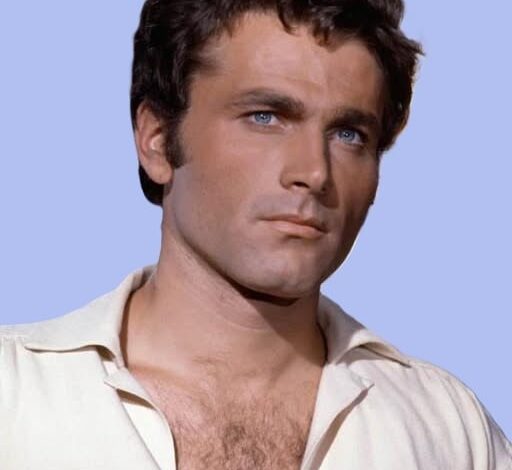
Franco Nero didn’t just act—he inhabited every frame he touched, leaving a presence that lingered long after the camera stopped rolling. In a cinematic era dominated by flamboyant heroes and bombastic performances, he carved a legend through restraint, intensity, and an almost mystical command of silence. Every scar, deliberate pause, and piercing stare became part of a language all his own—a language louder than any dialogue could ever convey.
From the mud-soaked coffin in Django to the glittering red carpets of global stardom, Nero’s journey is more than a biography—it is a testament to risk, reinvention, and survival in an industry that devours its idols as quickly as it creates them. Born Francesco Clemente Giuseppe Sparanero in 1941 in Parma, Italy, he entered the cinematic world amid seismic change. European cinema was shedding post-war innocence, grappling with moral ambiguity, political unrest, and new visual languages. Into this landscape stepped Nero, a young man whose gaze carried the weight of a continent’s unspoken grief, capable of transforming even the simplest Western frame into a meditation on loss, vengeance, and the human condition.
His performance in Django was not merely a role; it was an eruption. The image of the gunslinger dragging a coffin through mud transcended narrative, becoming a symbol of Europe itself—a land still scarred by war, struggling to reconcile its past while moving into a turbulent present. Nero’s near-silent intensity—the way he conveyed longing, grief, rage, and stoic resilience with only a handful of words—elevated a modest, low-budget film into a mythic story that resonates decades later. That coffin, the mud, the guns, and the cold, unflinching gaze became shorthand for cinematic poetry few could replicate, and even fewer dared attempt.
Yet Franco Nero’s impact cannot be confined to a single cult classic. He became a chameleon, crossing borders, genres, and styles with an ease that belied the discipline beneath. From Italian spaghetti Westerns to political thrillers, historical sagas, and Hollywood productions, Nero retained his essence: an actor who never overplayed, never sought spectacle alone, but demanded audiences engage, reflect, and feel. While many contemporaries were swallowed by the shifting tides of fashion, fame, and fleeting trends, Nero continued to work, refine, and surprise. Each performance reminded the world that true charisma can be quiet, true power controlled, and the actor’s most formidable weapon is not crowd adoration but unwavering commitment to craft.
Beyond the screen, Nero’s career tells a story of courage in choice—of pursuing roles that challenged both actor and audience, and embracing collaborations that pushed him into new creative territories. Every character he inhabited—whether a brooding gunslinger, political insurgent, or historical figure—carried the same unmistakable stamp: the intensity of a man who understood that eyes reveal what words cannot, and that silence can echo louder than a thousand speeches.
Franco Nero is not just remembered; he is felt. In his stillness, audiences find tension. In his gaze, they find stories unspoken. In his legacy, a masterclass in subtlety, discipline, and courage unfolds. Across decades and continents, he remains a testament to the enduring power of quiet artistry in a world that often confuses volume with greatness. A true actor, he doesn’t merely perform—he haunts, lingers, and transforms every frame he touches into something unforgettable.
If you want, I can also create a condensed, punchy version that captures Nero’s essence in a way perfect for a feature or magazine profile. Do you want me to do that?