The Hidden Hero of Your Seat Belt: What Is That Little Round Button, And Why It is Essential!

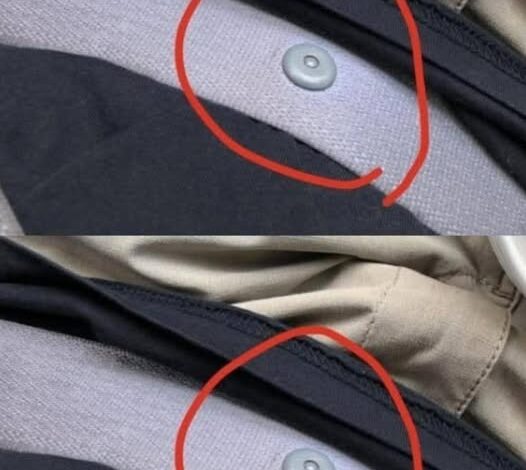
Every time you get into a car, a familiar routine unfolds almost automatically. The door shuts, the engine starts, and you reach across your body to pull the seat belt into place until it clicks. Because this action is repeated so often, most drivers rarely think about the individual parts that make the system work. But if you look closely at the belt itself, you might notice a small round button attached to the strap. It is usually the same color as the fabric and easy to overlook. While it may seem like a minor detail, that tiny component plays an important role in how the seat belt functions.
Seat belts are far more than simple straps—they are carefully designed safety systems. According to many experienced mechanics, every small element contributes to protecting passengers during an accident. While most people focus on the buckle or the retractor mechanism, this small button helps keep the entire system working properly. Without it, the belt might not sit in the correct position, which could reduce its effectiveness in a crash.
The main purpose of this button is to keep the belt properly aligned. A correctly worn seat belt distributes the force of a sudden stop across the strongest parts of the body, especially the collarbone and pelvis. If the belt shifts out of place, it can move toward the arm or slide up toward the neck. In an accident, that misalignment can increase the risk of injury. The button helps keep the strap positioned across the shoulder where it is meant to be, ensuring that the force is absorbed in a safer way.
Comfort is another reason this feature matters. Engineers know that people are less likely to use safety equipment if it feels awkward or irritating. When a belt rubs against the neck or sits too high, some passengers may place it behind their back or under their arm to avoid discomfort. Unfortunately, doing this removes the protection the shoulder strap is meant to provide. By helping the belt stay in a stable position, the button contributes to a better fit and encourages proper use.
This small component also works alongside modern safety technologies such as seat belt pretensioners. During a collision, sensors in the vehicle can trigger the pretensioner system, which tightens the belt almost instantly to remove slack. For this system to work effectively, the belt must already be positioned correctly. If the strap has shifted out of place or become twisted, the tightening action may not protect the passenger as intended.
Mechanics who regularly inspect vehicles often notice how important these small parts can be. Over time, wear or damage can cause a seat belt to twist or slide if the guide components are missing or broken. Because seat belts must withstand extreme forces in an accident, repairs should always be handled by qualified professionals rather than improvised fixes.
Even as vehicles become more advanced and include new electronic safety features, the reliability of simple mechanical elements like this remains essential. The seat belt’s height guide and positioning components help adapt the restraint system to different body sizes and seating positions. Taking a moment to adjust the belt so that it runs diagonally across the chest—rather than the neck or stomach—can make a significant difference in safety.
The story of the seat belt button shows how small design details can have a major impact. Though it is easy to overlook, it helps ensure that the belt performs exactly as engineers intended. Next time you fasten your seat belt, you might notice that small button along the strap. It’s a reminder that even the simplest parts of a vehicle are designed with a specific purpose: keeping you safe on the road.