The Invisible Nightly Sabotage Why Your Lazy Bedtime Habit Is Secretly Destroying Your Skin And Risking Your Vision For Good

We’ve all been there—that moment when the day finally ends and exhaustion takes over. You walk through the door, your body feels drained, and the only thing that matters is collapsing into bed. Washing your face feels like one task too many. It’s easy to tell yourself, just this once won’t matter. But while you’re asleep, your skin is anything but at rest—and leaving makeup on overnight can quietly cause more harm than most people realize.
At night, your skin shifts into repair mode. Blood flow increases, cell turnover speeds up, and your body works to undo the stress your skin faced during the day—pollution, UV exposure, and general wear. When makeup is left on, it acts like a barrier, preventing this natural recovery process. Instead of renewing itself, your skin is forced to deal with a layer of product mixed with oil, dirt, and bacteria. What should be a healing window turns into a period of stress.
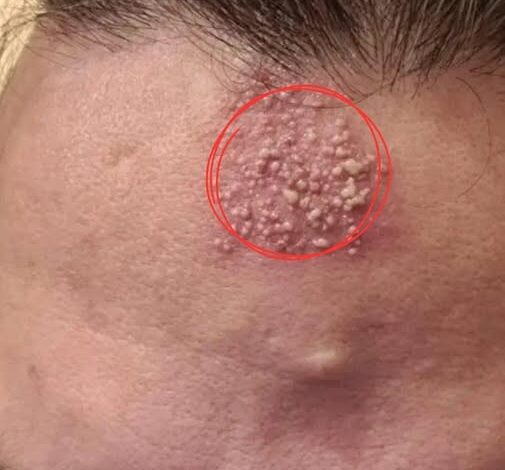
One of the most immediate effects is clogged pores. Throughout the day, makeup collects impurities from your environment. When you sleep without removing it, those particles get pressed deeper into your skin, especially against a pillow. This creates an ideal environment for breakouts. By morning, you may notice blackheads, whiteheads, or even inflamed pimples forming. For people prone to acne, this can trigger flare-ups that linger far longer than the time it would have taken to wash your face.
Over time, the impact goes beyond breakouts. Pollutants trapped on your skin generate free radicals—unstable molecules that damage collagen and elastin. These are the building blocks that keep skin firm and smooth. When they break down, signs of aging appear faster: fine lines, dullness, and loss of elasticity. Skipping your nighttime cleanse might feel harmless in the moment, but repeated over time, it can accelerate visible aging.
The eye area is especially vulnerable. Mascara and eyeliner can flake off during sleep and enter the eyes, potentially causing irritation or even small scratches on the surface. Blocked oil glands along the eyelids can lead to painful styes or inflammation. In some cases, bacteria buildup can result in infections like conjunctivitis. What seems like a minor habit can turn into a much more serious issue when it comes to eye health.
Another hidden downside is that your skincare products can’t do their job. Serums and moisturizers are designed to absorb into clean skin. When applied over leftover makeup, they sit on the surface instead of penetrating where they’re needed. That means all the time and money spent on skincare becomes far less effective.
Your skin’s overall texture and hydration also suffer. Makeup left on overnight prevents your skin from properly shedding dead cells and absorbing moisture. This can lead to dryness, uneven tone, and a dull, tired appearance. That healthy glow people aim for depends on proper renewal—something your skin can’t achieve if it’s constantly covered.
The good news is that breaking the habit doesn’t require perfection—just consistency. If you’re too tired for a full routine, even a quick cleanse or using micellar water is far better than doing nothing. Keeping simple products nearby can make it easier to follow through on those exhausting nights.
At the end of the day, removing your makeup isn’t just about appearance—it’s about care. Your skin works constantly to protect you, and giving it a clean surface to recover is one of the simplest ways to support it. Those few minutes before bed can make the difference between waking up refreshed or dealing with the effects of neglect. Over time, your skin will reflect the choices you make—so it’s worth making the small effort count.