The Titanic Hero History Forgot: The Only Black Passenger Who Sent His Family to the Lifeboats — and Stayed Behind

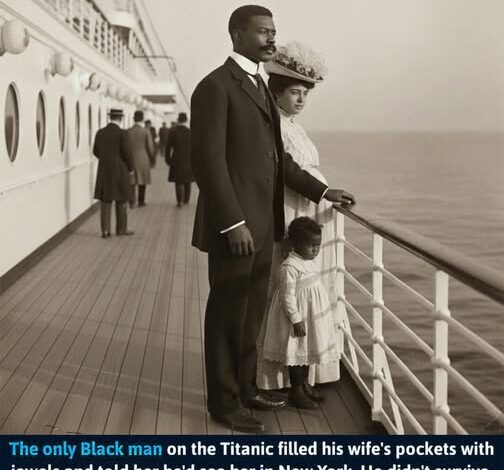
Joseph Philippe Lemercier Laroche grew up believing that hard work and education could open doors that prejudice tried to keep shut. Fluent in several languages and trained as an engineer in France, he married Juliette, a devoted Frenchwoman who stood beside him through every struggle. Yet despite his qualifications, opportunity remained out of reach. Time and again, employers looked past his abilities and saw only the color of his skin. As savings dwindled and prospects faded, Joseph reluctantly accepted a teaching position in Haiti—less a dream than a necessity to support his family. When the chance came to travel aboard the Titanic, he chose it partly for a simple reason: he wanted his young daughters to share meals with him, to experience a small moment of dignity and togetherness.
That fragile hope shattered when the ship struck the iceberg. In the confusion that followed, Joseph made a quiet but profound decision. He placed the last of his money into Juliette’s coat pocket, embraced his daughters, and stepped aside so they could board a lifeboat. As it descended into the dark Atlantic, he remained behind. For years, his sacrifice faded into the background of Titanic history. Only later did his descendants, guided by a single photograph and a determination to remember, bring his story back into view—honoring him not simply as a passenger lost at sea, but as a father who gave everything so his family could live.