Rita’s story is a deeply moving account of grief, resilience, and the quiet power of compassion. For years, she lived on the margins of society, nearly invisible to the world around her. Her homelessness was not the result of laziness or poor choices, as many assume, but the devastating aftermath of an unimaginable loss: the death of her only son. When he died, the emotional foundation of Rita’s life collapsed. The grief was so overwhelming that everything else—her stability, her home, and her sense of purpose—slowly fell apart as well.
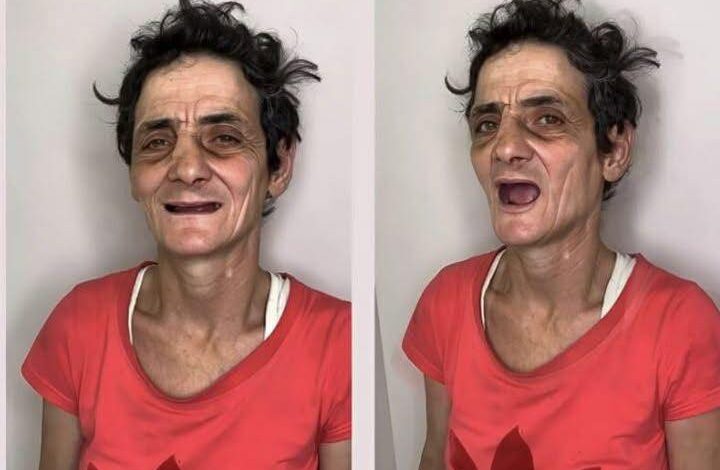
Life on the streets became a relentless routine of survival. Rita spent her days collecting discarded bottles and scraps, trading them for the few coins needed to make it through another day. Yet the physical hardship of homelessness was only part of the struggle. The deeper wound was the isolation. Homelessness often carries an invisible stigma. People pass by without making eye contact, seeing only the circumstances rather than the human being within them.
For Rita, the years of hardship had changed how the world saw her—and how she saw herself. She was no longer recognized as a mother, a neighbor, or a person with a story. Instead, she became just another forgotten figure moving quietly through crowded streets.
Everything began to change the day she met Shafag Novruz, a makeup artist whose work is guided by a simple but powerful belief: that dignity and beauty are deeply connected. Shafag has dedicated much of her time to helping marginalized women rediscover their sense of self. When she encountered Rita, she looked beyond the worn clothing and tired expression. She saw a woman who had survived profound grief and years of neglect.
Shafag understood that before Rita could rebuild her life, she first needed to reconnect with herself.
The transformation that followed was not about superficial beauty. It was about restoring dignity. The first step addressed something fundamental: Rita’s dental health. Years without proper care had left her teeth damaged and painful, making it difficult for her to smile or even speak confidently. Shafag arranged for extensive dental treatment, relieving the physical pain and giving Rita back something she had lost long ago—the ability to smile without embarrassment.
From there, the process expanded. Rita received a haircut, skincare treatment, nail care, and a completely new wardrobe. For someone living on the streets, these gestures might seem small to outsiders, but they carried enormous emotional weight. Clean clothes, styled hair, and simple grooming helped Rita feel human again. They reminded her that she still deserved care, comfort, and respect.
The most emotional moment came when Rita finally saw her reflection.
Looking into the mirror, she broke into tears. Then laughter followed. For the first time in years, she recognized the woman staring back at her. The makeover had not created a new person—it had revealed the Rita who had been buried beneath years of hardship.
In that moment, the past and the future seemed to meet. The tears honored the pain she had endured. The smile reflected a hope she had almost forgotten existed.
Rita’s experience highlights an important truth about compassion and social support. Large-scale systems are essential for addressing homelessness, but sometimes the first step toward recovery begins with something deeply personal: being seen. Shafag’s work illustrates what many call the “dignity gap”—the distance between surviving and truly living.
By restoring Rita’s appearance and health, she helped open doors that had long been closed. People began interacting with Rita differently. Opportunities for support became easier to access. Most importantly, Rita began to believe in her own worth again.
Her story challenges us to rethink how we approach charity and assistance. True support often requires more than providing food or shelter; it involves restoring a person’s sense of identity and dignity. Small acts—a haircut, a new outfit, repaired teeth—can ignite powerful psychological change.
For Rita, this transformation became a turning point. It gave her the confidence to seek further help, reconnect with others, and begin healing from the loss that had once defined her life.
Ultimately, Rita’s journey reminds us that no one is truly invisible unless society chooses not to look. With empathy and care, even the quietest flame of resilience can be rekindled.
Her restored smile now stands as a powerful symbol of hope—proof that when we invest in another person’s dignity, we strengthen the humanity we all share.