President Donald Trump said Tuesday that Iran has offered what he described as a “very significant” concession tied to global energy markets, signaling a possible shift in ongoing negotiations at a time when regional tensions remain high.
Speaking to reporters in the Oval Office, Trump framed the development as a major step forward, though he stopped short of providing concrete details about the agreement.
“They gave us a present, and it arrived today—and it’s a very big one,” Trump said. “It’s worth a tremendous amount of money.” He clarified that the concession was not related to nuclear issues, but instead focused on oil and gas, calling it “a very nice thing they did.”
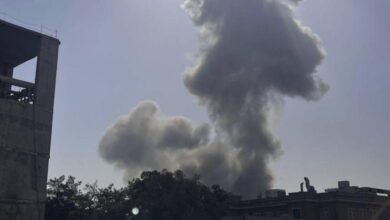
The remarks come amid a tense standoff involving Iran’s role in global energy flows, particularly around the Strait of Hormuz—a critical maritime passage through which roughly 20% of the world’s oil supply moves. Disruptions in the area in recent weeks, including reported attacks on commercial vessels and suspected mining activity, have sharply reduced tanker traffic and contributed to volatility in oil prices.
U.S. officials have warned that continued instability in the region could have widespread economic consequences, affecting not only energy markets but also broader global trade.
Trump suggested that the reported concession may be tied to efforts to stabilize conditions in the strait, noting that the U.S. is “talking to the right people” and that Iran appears increasingly motivated to reach an agreement. “They want to make a deal very badly,” he said.
Just days earlier, the administration had issued a 48-hour ultimatum demanding that Iran restore normal shipping operations through the Strait of Hormuz or face potential military action, including strikes on key energy infrastructure.
However, on Monday, Trump announced a five-day delay on any such action, citing what he described as “productive conversations” with Iranian representatives. The extension appears to have opened a window for renewed diplomatic engagement.
Several countries, including Pakistan and Egypt, have since expressed willingness to act as intermediaries, helping facilitate dialogue between Washington and Tehran as negotiations continue.
Despite signs of progress, Trump emphasized that any deal with Iran would ultimately depend on one central issue: preventing the country from developing nuclear weapons.
“That’s number one, two, and three,” he said, underscoring that denuclearization remains the administration’s top priority, even as discussions expand into economic and energy-related areas.
At the same time, the United States has significantly increased its military presence in the region. Additional naval and Marine forces have been deployed, in what officials describe as the largest buildup since the early 2000s. The move is intended to maintain readiness and deter further escalation while diplomatic efforts are underway.
Trump has repeatedly stated that he does not plan to deploy ground troops, signaling a preference for a combination of strategic pressure and negotiation. “We’ll do whatever is necessary,” he said in earlier remarks, while also stressing that he wants to avoid deeper military involvement.
The president also indicated that the broader conflict with Iran may be moving toward a resolution, suggesting that the situation is “under control” and trending in the United States’ favor. However, he stopped short of announcing any formal agreement, and key details surrounding the reported concession remain unclear.
For now, global markets and international observers are watching closely.
Because of the Strait of Hormuz’s central role in global energy supply, even small developments—whether disruptions or diplomatic breakthroughs—can have immediate and far-reaching effects on fuel prices, shipping routes, and regional stability.
While the reported concession is being treated as a positive signal, officials caution that negotiations are still ongoing, and any lasting agreement will depend on further commitments and sustained cooperation from all sides.