Gold Dancer’s death has come to represent something larger than a single race—it has become a flashpoint in a growing debate about the cost of spectacle. To some, events like this embody tradition, skill, and the bond between horse and rider. To others, they expose a system where the risks are not just high, but knowingly pushed to extremes.
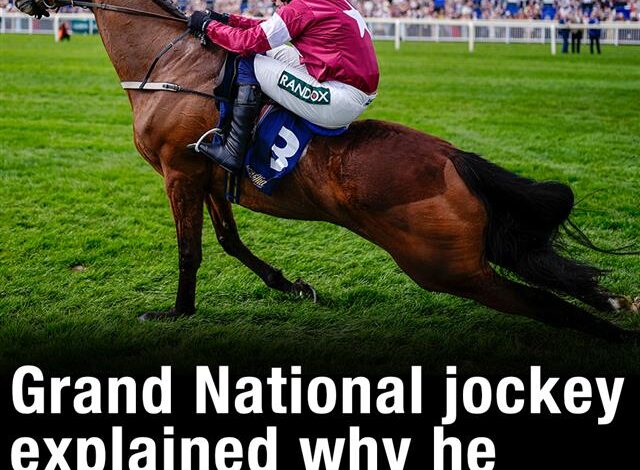
What happened in those final moments is difficult to reconcile. A horse crossing the line, only to collapse shortly after, forces the kind of question that lingers long after the crowd disperses: where is the line between sport and suffering? For many watching, the image doesn’t fade easily. It reframes what victory looks like—and what it costs.
Critics argue that incidents like this are not isolated accidents but part of a pattern tied to how certain races are structured. The combination of speed, terrain, and pressure can create conditions where injury is not just possible, but likely. From that perspective, each new fatality isn’t shocking—it’s expected. And with each one, the sense of unease grows.
Supporters, however, often see it differently. They point to the long history of equestrian sport, the care many trainers provide, and the idea that risk is inherent in any high-level competition. For them, these events are not defined by their worst outcomes, but by the skill, discipline, and tradition they represent.
But the tension between those views is becoming harder to ignore.
Animal welfare groups are increasingly vocal, calling for stricter regulations—or in some cases, outright bans. They argue that no level of tradition justifies preventable suffering, especially when the stakes are tied to entertainment and profit. Campaigns, petitions, and calls for boycotts are gaining traction, fueled by moments like this that capture public attention.
At the same time, there’s a broader cultural shift underway. Audiences are asking more questions about what they consume and support. What once might have been accepted without much thought is now being reexamined through a different lens—one that weighs not just excitement, but ethics.
Whether Gold Dancer’s death becomes a turning point or fades into a familiar cycle of outrage depends on what happens next. Change in these spaces rarely comes quickly, but it often begins with moments that force people to look more closely than they have before.
In the end, the question isn’t just about one race or one horse.
It’s about what people are willing to accept—and what they’re not—when it comes to the price of entertainment.