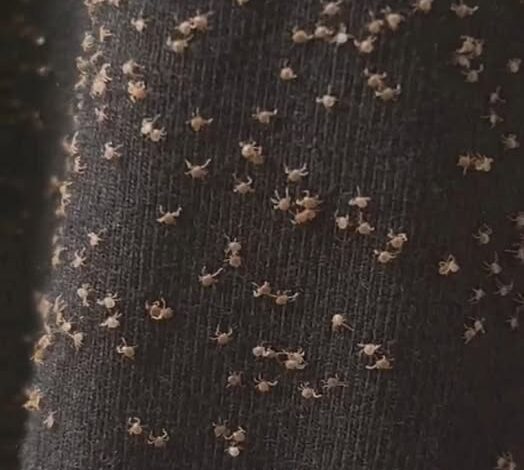
Those tiny, stubborn specks that cling to your clothes after a walk aren’t just random bits of plant debris—they’re seeds built with a purpose. Often known as burrs or stickseeds, these clever little hitchhikers are part of a survival strategy perfected over thousands of years. Instead of relying on wind or water, certain plants evolved seeds equipped with tiny hooks, barbs, or stiff hairs that latch onto passing animals, pets, or even the fabric of your clothing. Once attached, they can stay put for surprisingly long distances, turning an unsuspecting walker into a vehicle that carries them far from their starting point.
This mechanism is actually a classic example of a biological strategy called epizoochory, where plants spread their seeds by hitching rides on animals. The tiny hooks behave almost like natural Velcro, gripping tightly onto fur, socks, shoelaces, or pant legs. As you continue your hike, jog, or walk through a field, those seeds remain firmly attached, traveling with you sometimes for miles. Eventually, friction, movement, or a quick brush of your hand dislodges them, dropping the seeds into fresh soil where they have a new chance to grow.
For the plant, this journey is crucial. Seeds that fall directly beneath the parent plant often struggle to survive. They must compete for sunlight, water, and nutrients with the very plant that produced them, as well as with their sibling seeds. By spreading outward, these hitchhiking seeds avoid that intense competition and increase the chances that at least some of them will sprout and thrive in new territory.
Many familiar plants use this ingenious system. Species like beggar’s lice, burdock, cleavers, and sandbur are famous for their ability to cling stubbornly to clothing or animal fur. In fact, burdock burrs famously inspired the invention of Velcro in the 1940s, when a Swiss engineer studied how the hooks in the burrs caught so effectively on fabric and fur.
Of course, once you’re home, the journey usually ends quickly. A lint roller, strip of tape, or even a fine comb can remove the clingy passengers from your clothes or your dog’s fur. Yet even in that small, annoying moment—picking burrs off your socks or brushing them from your pet—you’re witnessing a surprisingly sophisticated survival strategy.
Every snag, every tiny hook, and every stubborn burr tells a quiet story about how plants adapt to the world around them. What seems like a minor inconvenience during a walk is actually part of a larger natural process: a plant’s determined effort to spread, survive, and claim new ground wherever the journey happens to end. 🌱