Why Older Homes Placed Small Sinks in Hallways—and How These Charming Relics Reveal Forgotten Routines, Daily Hygiene Habits, Architectural Limitations, Household Roles, and Practical Solutions That Once Shaped Family Life Long Before Modern Bathrooms Became Standard in American Homes

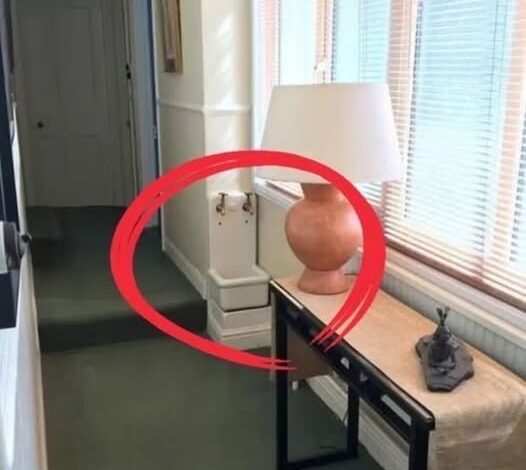
When people move into older houses today—Victorians, Craftsman cottages, or farmhouses from the early 1900s—they often encounter features that seem oddly out of place by modern standards. There might be doors that open into walls, staircases that end in awkward spots, or closets far too small for contemporary wardrobes.
But one of the most puzzling discoveries is often a small porcelain or cast-iron sink mounted right in the hallway.
The reaction is almost always the same.
“Why would a sink be here?”
“Did someone mess up the plumbing?”
“Was this supposed to be something else?”
And inevitably someone jokes online:
“Maybe it’s a foot washer.”
In reality, these hallway sinks were never accidents or strange design mistakes. They were installed deliberately—and they made perfect sense at the time. They belong to a period when indoor plumbing was still evolving, household routines were different, and architects had to adapt older floor plans to new technology.
To understand these sinks, you have to imagine how families lived 70, 90, or even 120 years ago.
A Time Before Modern Bathrooms
Before the 1920s, most homes didn’t have the kind of bathrooms we’re used to today.
Many houses had only one bathroom, and some had none at all.
Indoor plumbing was still a relatively new convenience, and installing it could be expensive and complicated. In many homes, bathrooms were squeezed into small spaces—sometimes what had once been closets—just large enough to fit a tub, a toilet, and perhaps a small pedestal sink.
Large families often shared that single bathroom. Households of six or more people were common.
Daily life was also much messier than it is now.
Children spent hours outdoors.
Adults worked with coal, wood, soil, or machinery.
Heating systems were dirtier.
And hot water wasn’t always available on demand.
With so many people in the house, it wasn’t practical for every small cleanup to involve waiting for the bathroom.
This is where hallway sinks came in.
They offered something simple but incredibly useful: a quick place to wash hands without trekking through the entire house.
In many ways, they functioned like the mudroom sinks we see today.
A Dedicated Spot for Washing Up
In the early 20th century, public health campaigns began encouraging Americans to wash their hands more often. Diseases such as influenza, typhoid, and cholera had made hygiene an increasingly important topic.
Household design started reflecting this growing awareness.
A hallway sink became a convenient “hygiene station.”
Families could use it to:
- rinse dirt after gardening
- wash hands before meals
- clean up after outdoor work
- prevent mud or coal dust from spreading through the house
Picture a child running inside after playing outside, hands covered in dirt.
Instead of heading upstairs and smearing grime everywhere, a parent could simply say:
“Stop there and wash your hands first.”
Many sinks were installed specifically between entryways and the rest of the house for exactly that reason.
Some were even placed near staircases so no one could head upstairs without cleaning up first.
Why the Sink Wasn’t in the Bathroom
Today, we naturally associate sinks with bathrooms. But historically, sinks weren’t always tied to toilets.
They were simply water fixtures.
The idea of a single room containing a toilet, sink, and bathtub didn’t become standard until the 1930s and 1940s.
Before that, washing stations and toilets were often separate.
Earlier households had washstands—furniture pieces that held pitchers of water and basins for washing.
When plumbing was introduced, many of these washing areas were simply upgraded with permanent fixtures.
Homeowners didn’t necessarily think a sink belonged in the bathroom. Instead, they asked a practical question:
Where will people actually use it most?
Often, the answer was downstairs in the hallway.
The Role of Household Staff
In larger homes, hallway sinks also served another important purpose.
They were useful for household staff.
Many middle- and upper-class homes once employed maids, nannies, or other workers who helped manage daily tasks.
These workers moved constantly between rooms—cleaning, cooking, serving meals, and caring for children.
A conveniently located sink allowed them to:
- wash hands quickly between chores
- rinse cleaning cloths
- prepare for serving meals
- dispose of dirty water
In some houses, multiple hallway sinks were installed in strategic locations, including near kitchens, staircases used by staff, or bedroom corridors.
These weren’t odd additions. They were part of the home’s original workflow.
Why the Sinks Were So Small
Hallway sinks were never intended to be large or decorative.
They were designed to be simple and efficient.
Most were:
- wall-mounted
- narrow and shallow
- made of porcelain or cast iron
- equipped with basic taps
- sometimes connected only to cold water
Their purpose was straightforward: quick handwashing.
Think of them as an early version of today’s powder-room sink.
Plumbing Limitations Shaped the Layout
Plumbing installation was far more difficult in older homes than it is today.
Builders had to work around thick plaster walls, heavy framing, and limited pipe routes.
When homeowners decided to add running water downstairs, builders looked for locations where the installation would be easiest.
Hallways often provided the most practical option.
They were typically close to structural walls where pipes could run vertically, and installing a fixture there caused less disruption to other rooms.
The decision wasn’t about style—it was about feasibility.
Why Many of These Sinks Disappeared
By the mid-20th century, the need for hallway sinks began to fade.
Several changes reshaped home design:
- larger bathrooms became common
- homes started including multiple bathrooms
- mudrooms gained popularity
- hot water systems improved
- privacy expectations increased
As these changes took hold, hallway sinks became less necessary.
Many homeowners removed them during renovations, but thousands remained simply because removing plumbing can be costly and inconvenient.
That’s why people still discover them in older houses today.
What to Do If Your Home Has One
Modern homeowners generally have three options.
Keep It
Some people find these sinks surprisingly useful.
They can work well for:
- watering plants
- washing paint brushes or craft supplies
- rinsing muddy hands or shoes
- cleaning pet bowls
- setting up a quick handwashing station
In older homes, they also serve as charming conversation pieces.
Restore It
For those interested in preserving historic details, hallway sinks are small but meaningful architectural artifacts.
With a little effort—adding a mirror, a small shelf, or vintage lighting—the sink can become an attractive design feature rather than an odd leftover.
Remove It
Of course, some homeowners choose to remove them.
This usually involves shutting off the water, disconnecting the fixture, capping the pipes, and repairing the surrounding wall or flooring.
But once these features are gone, they can’t easily be replaced.
Why They Feel So Nostalgic
For many older Americans, hallway sinks bring back memories.
They remember being told to wash their hands before dinner, coming inside from outdoor chores, or cleaning up before sitting at the table.
These small fixtures are tied to everyday routines that once defined family life.
They evoke images of grandparents’ houses, old enamel basins, squeaky taps, and simpler household habits.
A Small Detail That Tells a Bigger Story
That modest sink in the hallway is more than a curiosity.
It reflects a moment in American history when homes were adapting to new technology and changing ideas about cleanliness.
It marks the transition from wells and washbasins to modern plumbing, from communal household routines to private bathrooms.
Homes change over time, but traces of earlier generations often remain.
Sometimes those traces appear in unexpected places—like a small sink quietly mounted in a hallway.