White spots on skin may be linked to certain vitamin deficiencies, raising questions about low vitamin D, B12, or E levels, how they affect pigmentation, when symptoms matter, and what signs signal it’s time to seek medical guidance for proper evaluation.

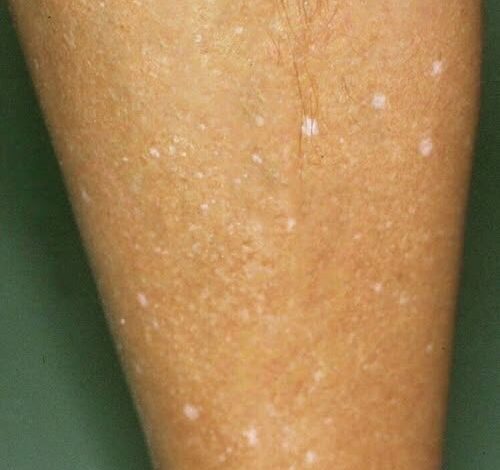
White spots on the skin can appear unexpectedly and often cause concern. They might develop gradually or suddenly, remain small or spread over time, and in some cases they fade while in others they persist for years. For many people, these changes raise questions: Are they dangerous? Are they permanent? Could they indicate an underlying health issue? Although most white spots are harmless, they can be linked to a variety of causes—from nutritional deficiencies to specific skin conditions. Understanding these possibilities can help individuals decide when simple lifestyle adjustments are enough and when medical advice may be necessary.
The Role of Vitamin B12
One nutrient often discussed in relation to skin pigmentation is vitamin B12. This vitamin is essential for many bodily functions, including the production of red blood cells, maintaining healthy nerve function, and supporting DNA synthesis. When the body lacks sufficient vitamin B12, symptoms may include fatigue, weakness, numbness or tingling in the hands and feet, and occasionally changes in the skin.
In some individuals, low B12 levels may contribute to areas of lighter pigmentation. These pale patches can appear as small spots or irregular sections of skin. Although such skin changes are not the most common sign of deficiency, they can occur in certain cases.
Vitamin B12 deficiency is more likely in people who follow vegetarian or vegan diets because the vitamin is found mainly in animal-based foods such as meat, fish, eggs, and dairy products. Fortified foods and supplements are often recommended to ensure adequate intake for those who avoid these sources.
Vitiligo and Nutritional Links
When discussing white patches on the skin, vitiligo is one of the most frequently mentioned conditions. Vitiligo occurs when the immune system mistakenly attacks melanocytes—the cells responsible for producing pigment in the skin. As a result, white or light-colored patches develop.
While vitamin B12 deficiency does not directly cause vitiligo, research has shown that some people with the condition may have lower levels of certain nutrients, including vitamin B12 and folate. Because of this, healthcare providers may recommend checking vitamin levels as part of a broader treatment strategy. However, vitiligo is a complex autoimmune disorder, and nutrition alone does not determine its development.
Vitamin D and Skin Health
Vitamin D also plays a significant role in maintaining healthy skin. The body produces this vitamin when sunlight interacts with the skin, and it contributes to immune regulation, bone strength, and normal skin cell growth.
Low vitamin D levels can cause symptoms such as fatigue, muscle weakness, bone discomfort, and a weakened immune response. Some people notice changes in skin pigmentation when vitamin D levels are low, although scientific evidence linking deficiency directly to white spots is still limited.
Vitamin D deficiency is relatively common today, especially among individuals who spend little time outdoors, use strong sunscreen regularly, live in colder climates, or have darker skin that naturally reduces vitamin D production from sunlight.
Sources of vitamin D include fatty fish, egg yolks, fortified dairy products, and fortified plant-based milk alternatives. When levels are significantly low, doctors may recommend supplements. Because excessive vitamin D intake can be harmful, supplementation should always follow medical guidance.
Calcium, Zinc, and Copper
Calcium is widely recognized for its role in maintaining strong bones and teeth, but it also contributes to muscle and nerve function. Although calcium deficiency itself rarely causes white spots on the skin, it is closely related to vitamin D because vitamin D helps the body absorb calcium efficiently.
Minerals such as zinc and copper also influence skin pigmentation. Zinc supports immune function, skin repair, and cell growth, while copper is involved in enzymes that help produce melanin—the pigment responsible for skin color. Deficiencies in these minerals are uncommon but can contribute to uneven pigmentation when they occur.
Balanced diets that include nuts, seeds, whole grains, beans, seafood, and leafy green vegetables help maintain healthy levels of these important nutrients.
Other Common Causes of White Spots
It is important to remember that many white spots have nothing to do with vitamin deficiencies. Several skin conditions can produce similar changes.
One common cause is tinea versicolor, a mild fungal infection that affects the skin’s pigment. It often appears as white, pink, or tan patches on the chest, back, shoulders, or neck. The spots may become more noticeable after sun exposure because surrounding skin darkens while affected areas remain lighter. Antifungal creams or medications can usually treat this condition effectively.
Another possibility is idiopathic guttate hypomelanosis (IGH). This harmless condition produces small, round white spots—most frequently on the arms and legs. It is more common in older adults and is often linked to long-term sun exposure. Although IGH does not require treatment, dermatologists may suggest topical products or cosmetic procedures for those who wish to reduce its appearance.
Certain inflammatory skin conditions such as eczema or psoriasis can also leave behind pale areas after healing. These lighter patches, known as post-inflammatory hypopigmentation, typically improve over time as the skin recovers.
When to Seek Medical Advice
Because white spots can have many different causes, it is important not to assume the reason without proper evaluation. Spots that continue to spread, change shape, or appear suddenly should be assessed by a healthcare professional.
A dermatologist can examine the skin and determine whether further tests are necessary. These may include blood tests to check vitamin levels or laboratory tests to rule out fungal infections.
Supporting Healthy Skin
Even when white spots are not caused by nutritional deficiencies, maintaining a balanced diet supports overall skin health. Foods rich in vitamins and minerals—such as fruits, vegetables, whole grains, lean proteins, nuts, and seeds—help nourish the skin and support its natural repair processes.
For people who avoid animal products, fortified foods or supplements may be important for maintaining healthy vitamin B12 levels. Moderate sunlight exposure, combined with proper sun protection, can also help maintain adequate vitamin D.
Other lifestyle habits—including staying hydrated, managing stress, getting enough sleep, and using gentle skincare products—can further support healthy skin.
A Symptom, Not a Diagnosis
White spots on the skin are not a diagnosis by themselves; they are simply a visible sign that something may be affecting pigmentation. In some cases, the cause may be minor and temporary, while in others it may involve a medical condition that requires treatment.
Rather than jumping to conclusions, the best approach is to stay informed, observe any changes, and seek professional advice when necessary. With proper guidance, most people can identify the cause of their skin changes and explore appropriate solutions for maintaining healthy, balanced skin.