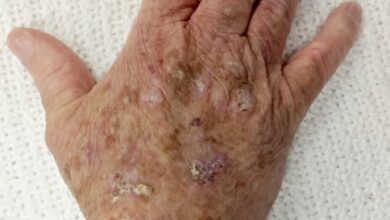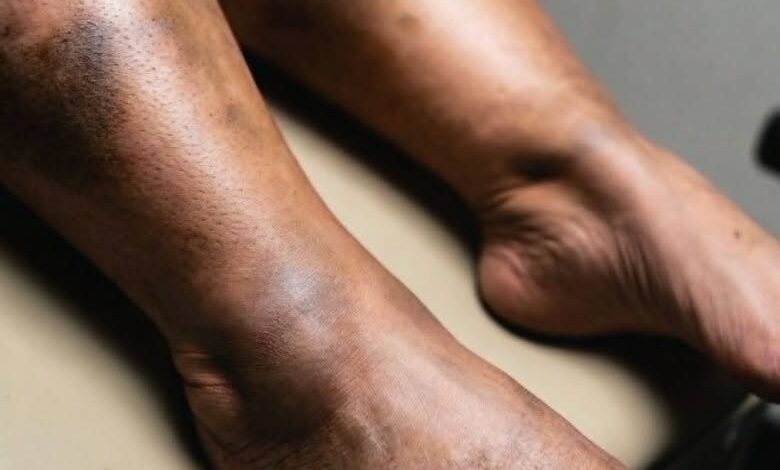
Elephantiasis doesn’t arrive all at once. It unfolds slowly, almost quietly at first, and then with a persistence that reshapes daily life piece by piece. What begins as swelling becomes something more permanent, more demanding. Limbs grow heavy, skin thickens and tightens, and the body starts to feel unfamiliar—less responsive, more burdensome. Simple movements turn deliberate. Standing, walking, even resting comfortably can require effort, planning, and endurance.
But the physical changes are only part of the story. Beneath them runs a deeper current, one that often goes unseen. There is the weight of being noticed in ways that feel exposing rather than seen. The discomfort of lingering stares, the unspoken questions, the quiet distance that can grow between someone and the people they once moved easily among. Over time, isolation can take root—not always because others mean harm, but because understanding is so often missing.
As the condition progresses, the rhythm of life shifts. Tasks that once felt automatic become difficult, then exhausting, and sometimes no longer possible. Work may slip out of reach, not because of lack of will, but because the body no longer cooperates in the same way. Independence—something rarely questioned before—can slowly give way to reliance on others. That transition carries its own emotional toll, a quiet grief for what has changed and uncertainty about what lies ahead.
And yet, even within that reality, there is space for something else to exist alongside it. Care, when it reaches beyond the surface, can begin to restore more than just physical comfort. Proper medical treatment, consistent hygiene, and ways to manage pain can ease the strain on the body. Swelling can be reduced, infections prevented, and movement made a little more manageable. These are not small things—they are the difference between constant distress and moments of relief.
But healing, in its fullest sense, doesn’t stop there. Emotional support matters just as deeply. Being listened to without judgment, being included without hesitation, being treated as a whole person rather than a condition—these things carry a kind of power that medicine alone cannot provide. When families remain present, when communities choose understanding over avoidance, something important begins to shift.
Support systems—whether through healthcare providers, local programs, or simple human connection—can help rebuild a sense of stability. Mobility aids can return a measure of freedom. Education can replace fear with awareness. And when stigma is challenged openly, it creates space for people to exist without feeling defined by their condition.
What emerges from that kind of care is not a reversal of everything that’s been lost, but something equally meaningful: dignity. The recognition that a person’s identity extends far beyond what is visible. That their life still holds value, purpose, and possibility.
Because even in the presence of a condition that changes so much, the story is not finished. It continues—in resilience, in connection, and in the quiet but powerful act of being seen not for what has been altered, but for who remains.