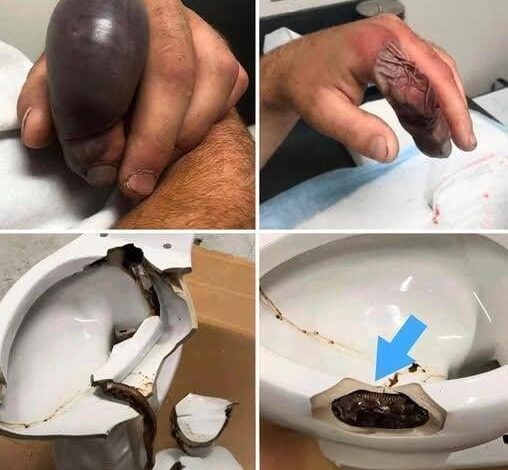
Encounters between humans and snakes inside bathrooms are extremely uncommon, but when they do occur, they tend to leave a lasting impression. In certain parts of the world—particularly in regions with large snake populations and aging sewer infrastructure—reports occasionally surface of snakes entering homes through drainage systems, open vents, cracked pipes, or small structural gaps. Heavy rainfall, flooding, drought, or habitat disruption can push wildlife into unusual spaces as they search for shelter, warmth, or prey.
While such incidents are rare, they are not impossible. In tropical and subtropical climates, species such as pythons, rat snakes, and, more rarely, venomous snakes have been found in plumbing systems. Snakes are capable swimmers and can navigate narrow, damp environments. Sewer systems, especially those connected to open drainage networks, may provide temporary pathways.
For individuals who experience a snake encounter in a bathroom, the shock alone can be overwhelming. Bathrooms are spaces associated with privacy and routine. The unexpected presence of wildlife in such a setting often produces a surge of panic, disbelief, and confusion before the situation is even fully understood. In the uncommon event that a bite occurs, immediate medical attention is critical.
Medical Response and Physical Recovery
The severity of a bite depends on multiple factors, including the species of snake, whether venom was injected, and how quickly treatment begins. Nonvenomous bites may still require medical care due to puncture wounds, infection risk, and tissue damage. Venomous bites demand urgent intervention, which can include:
- Administration of antivenom (if appropriate for the species)
- Pain management
- Monitoring for systemic symptoms
- Surgical care for severe tissue injury
- Antibiotics to prevent secondary infection
When bites affect sensitive areas such as the thighs or genitals—as some reported cases have—treatment can be particularly complex. Recovery may involve both physical healing and careful follow-up care to address potential complications.
Fortunately, in countries with strong emergency medical systems, outcomes are often favorable when treatment is sought immediately.
The Psychological Impact
Even after physical wounds heal, the emotional effects can linger. People who have experienced unexpected animal encounters in enclosed spaces frequently report anxiety, heightened startle responses, and intrusive memories. Bathrooms, once neutral spaces, may trigger fear.
In some cases, individuals develop temporary avoidance behaviors—checking repeatedly before sitting down, using alternate restrooms, or feeling uneasy in unfamiliar environments. For most, these reactions gradually fade. For others, counseling or trauma-informed therapy can help restore a sense of safety and normalcy.
Why Snakes Enter Homes
Understanding why these incidents happen can help reduce fear and increase prevention awareness. Snakes typically do not seek out human contact. They may enter plumbing systems because:
- Floodwaters displace them from natural habitats
- Drought conditions drive them toward moisture sources
- Sewer systems provide warmth
- Small prey animals (like rodents) are present
In many reported cases, the snake is as disoriented as the human.
Prevention and Practical Precautions
The good news is that the risk can be significantly reduced through basic home maintenance and awareness, especially in snake-prone regions.
Precautionary steps include:
- Keeping toilet lids closed when not in use
- Installing fine mesh screens over roof vents
- Sealing cracks and structural gaps in bathrooms
- Ensuring plumbing systems are properly fitted and maintained
- Turning on bathroom lights before entering at night
- Checking the bowl visually in high-risk areas
These measures are simple but effective, and they transform what sounds like a nightmare scenario back into what it statistically is: an extremely unlikely event.
Perspective Matters
Stories of “toilet snake bites” often circulate widely online because they combine shock, vulnerability, and the unexpected. However, it’s important to keep context in mind. The vast majority of people—even in snake-dense regions—will never encounter such a situation. Millions of bathrooms are used daily without incident.
Still, these rare cases serve as a reminder of the delicate boundaries between human environments and wildlife habitats, especially as urban development expands and ecosystems shift due to climate pressures.
Ultimately, awareness—not panic—is the most powerful response. With sensible precautions and proper infrastructure, the bathroom remains what it has always been: a safe, ordinary part of daily life.