Arnold Schwarzenegger shares his view on heaven, calling it a personal belief rather than a certainty

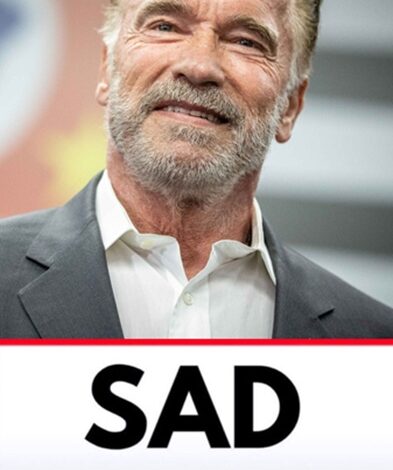
Arnold Schwarzenegger has never avoided life’s biggest questions. Famous as a bodybuilding champion, movie star, and political leader, he has spent decades thinking about discipline, success, and purpose. In a recent, deeply personal conversation with his longtime friend Danny DeVito for Interview Magazine, he turned to one of the most difficult topics of all: what happens after death.
Instead of offering comforting beliefs or spiritual certainty, Schwarzenegger spoke with unusual honesty. His perspective didn’t rely on faith in an afterlife, but on what he sees as observable reality—and on a deep appreciation for being alive.
A Direct Take on Death
During the discussion, Schwarzenegger made it clear he doesn’t subscribe to traditional ideas of heaven. He described those beliefs as comforting, but not something he personally sees as proven.
Recalling a past conversation with Howard Stern, he explained that from his point of view, when we die, the physical body simply returns to the earth. Beyond that, he believes there is no clear evidence of what—if anything—continues.
He didn’t claim to have all the answers. In fact, he emphasized the opposite: that questions about the soul or existence beyond death remain uncertain. What he does feel sure about is that the physical presence we know—our ability to interact, speak, and connect in tangible ways—does not continue in the same form.
A Grounded Perspective
DeVito responded in a similarly straightforward way, summing it up simply: people deteriorate. It wasn’t meant harshly, just as an acknowledgment of biological reality.
Schwarzenegger agreed. While the idea of reuniting with loved ones in an afterlife may be comforting, he suggested it doesn’t match his understanding of how life works.
The Emotional Reality
Despite his practical outlook, Schwarzenegger didn’t come across as cold or indifferent. Quite the opposite—he admitted that the idea of death saddens him deeply.
Not because of fear of punishment or the unknown, but because of what must be left behind.
He spoke about how much he values everyday experiences: conversations with friends, time spent laughing, working out, traveling, and discovering new places. For him, life’s meaning comes from these moments—and the thought of losing them is what feels truly painful.
Choosing Life in the Present
DeVito responded with a simple but powerful line: “Life—it’s the best.”
That sentiment captured the heart of their exchange. Rather than focusing on what may come after death, both men emphasized living fully right now—appreciating relationships, passions, and the small moments that make life rich.
This mindset reflects Schwarzenegger’s own journey, from his early years in Austria to global fame and public service. His life has been defined by pushing limits and embracing opportunity.
Faith, Values, and Change
Schwarzenegger’s views may seem surprising given his upbringing in the Catholic Church. As a child, he attended church, studied religious teachings, and absorbed the values of that environment.
While his beliefs about the afterlife have changed, he still holds onto core principles—especially the idea of service. He often refers to having a “servant’s heart,” meaning a commitment to helping others and contributing to something larger than oneself.
A Life of Service
Throughout his career, Schwarzenegger has emphasized that real fulfillment doesn’t come from fame or power, but from making a difference. Whether in politics or public life, he has argued that leaders should focus on serving people rather than pursuing personal gain.
This idea, rooted in his early religious education, continues to shape how he sees purpose.
Living Without Certainty
What makes Schwarzenegger’s perspective stand out is its balance. He doesn’t claim spiritual certainty, but he also doesn’t fall into cynicism. Instead, he focuses on what can be experienced and controlled: how we live, how we treat others, and how fully we engage with life.
For him, the uncertainty surrounding death is not paralyzing—it’s motivating.
The Core Message
In the end, his reflections point to a simple but powerful idea: life is valuable precisely because it doesn’t last forever.
Rather than relying on promises of an afterlife, he encourages people to appreciate what they have now—relationships, experiences, and opportunities. Whether one agrees with his beliefs or not, his message is clear:
Live fully. Care deeply. And don’t wait for meaning somewhere else when it already exists here.