
The world of performing arts continues to honor the enduring legacy of Jane Lapotaire, a distinguished figure whose career has spanned decades across stage, television, and film. Known for her emotional depth and commanding presence, she has secured a lasting place among the most respected performers of her generation.
Born as Jane Burgess in Ipswich in December 1944, her early life was shaped by circumstances that would later inform the richness of her performances. Placed for adoption shortly after birth, she grew up in foster care, developing resilience and independence from a young age. Her adolescence brought emotional complexity when her biological mother re-entered her life, leading to a custody dispute that ultimately allowed her to remain with her foster mother. These formative experiences gave her a profound emotional awareness—something she would later channel into her work on stage and screen.
Her passion for acting emerged early and soon became a defining force in her life. In 1965, she made her stage debut at the Bristol Old Vic, performing in When We Are Married. That moment marked the beginning of a lifelong dedication to performance. She would later describe her desire to act as so powerful that it eclipsed even basic needs—an indication of the intensity she brought to her craft.
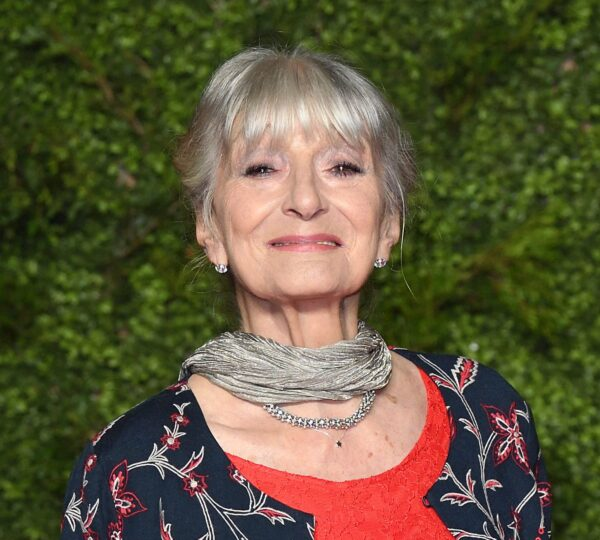
By 1970, Lapotaire became a founding member of the Young Vic Theatre, an institution known for its innovative and accessible approach to drama. This involvement helped position her within Britain’s evolving theatrical landscape. Her reputation grew further when she joined the Royal Shakespeare Company in 1974, where she delivered a series of acclaimed performances that solidified her standing as a formidable stage actress.
One of the defining moments of her career came with her portrayal of Edith Piaf in the stage production Piaf. Her interpretation was widely praised for its emotional intensity and authenticity. When the production moved to Broadway in 1980, her performance earned her a Tony Award for Best Actress in a Play, bringing her international recognition and marking a major milestone in her career.
Lapotaire’s talent extended seamlessly to television. Her portrayal of Marie Curie in a 1977 BBC miniseries introduced her to a wider audience and demonstrated her ability to bring historical figures to life with depth and precision. This became one of her defining strengths—approaching complex roles with both intellectual rigor and emotional truth.
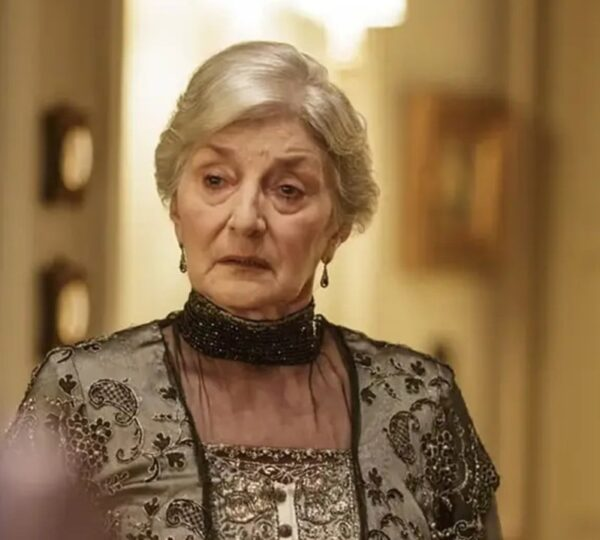
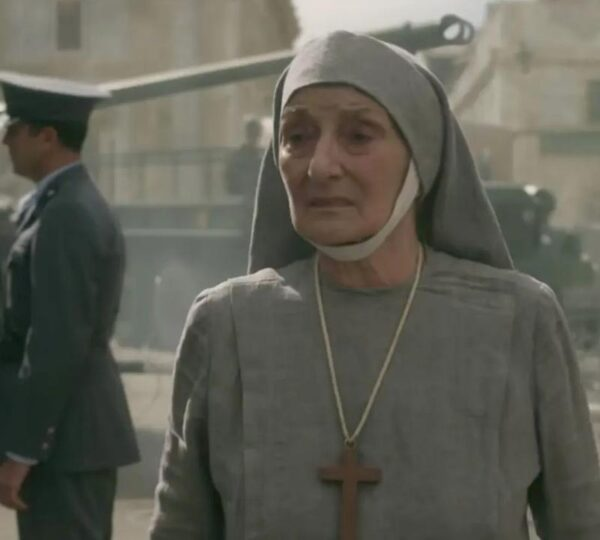
Her film work includes notable performances such as Queen Mary in Lady Jane, where she added depth and gravitas to a story rooted in historical conflict. In later years, she continued to appear in acclaimed television productions, including Downton Abbey and The Crown. In Downton Abbey, she portrayed Princess Irina Kuragin with subtle elegance, while in The Crown, her role as Princess Alice of Battenberg offered a poignant and layered performance that resonated with modern audiences.
Her journey has not been without hardship. In 2000, she suffered a serious cerebral hemorrhage that required emergency surgery and a long recovery period, temporarily halting her career. Yet her determination saw her return to acting, reinforcing her reputation as both a dedicated artist and a person of remarkable resilience.
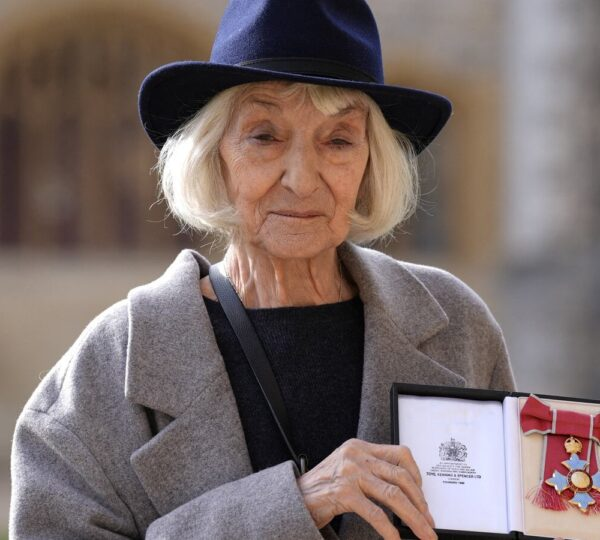
Beyond acting, Lapotaire has contributed to the arts through writing and mentorship. Her memoir offers insight into the personal experiences that shaped her career, providing a deeper understanding of the emotional foundations behind her performances. Her contributions have been formally recognized with her appointment as a Commander of the Order of the British Empire (CBE), honoring her significant impact on British culture.
Throughout her career, she has remained committed to roles that challenge and inspire, collaborating closely with directors and fellow actors to create meaningful work. Her influence extends beyond her own performances, inspiring generations of actors who admire her dedication and authenticity.
In her personal life, she is the mother of Rowan Joffe, reflecting a continued connection to the creative world through her family.
Today, Jane Lapotaire stands as a symbol of artistic integrity and endurance. Her body of work is not defined by a single role, but by a continuous exploration of human emotion, history, and storytelling. As audiences revisit her performances, they are reminded of the timeless quality she brings to every character—an influence that continues to resonate across generations.
Her story is not simply one of past achievement, but of ongoing impact—proof that true artistry does not fade, but evolves, leaving a lasting imprint on the world of performance.