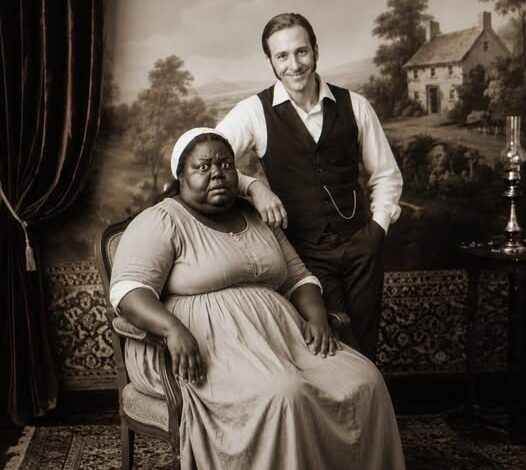
In the harsh and unforgiving world of Vassouras in 1857, Benedita stood apart in ways that brought her hardship rather than advantage. Her extraordinary height and physical strength, qualities that might have inspired admiration in another life, instead made her a target of suspicion and fear within the brutal machinery of slavery. As she was presented before potential buyers, murmurs spread through the crowd. Some viewed her imposing presence as a threat, imagining defiance where they sought submission. Others questioned whether she could be controlled at all. To them, she was not a human being with thoughts, fears, and aspirations, but a financial risk—an investment they were unwilling to make.
Each hesitant glance and withdrawn offer deepened the humiliation of the moment. Standing before strangers who judged her worth in silence and whispers, Benedita endured yet another reminder of the cruel reality imposed upon her. The auction was not simply a transaction; it was a public display of power in which her future depended entirely on the opinions of others. As bid after bid failed to materialize, her price dropped. The atmosphere grew increasingly uncomfortable, and the crowd’s reluctance seemed to deliver a devastating message. In a society that reduced people to property, she was being told that she was unwanted even by those who participated in that system.
For a moment, the silence felt absolute. The lowered price, the averted eyes, and the lack of interest appeared to seal her fate. It was a scene that exposed the profound dehumanization at the heart of slavery—a system capable of stripping individuals not only of freedom but also of dignity and identity. Benedita’s strength, rather than being recognized as resilience, had become another reason for rejection.
Then came a decision that interrupted the growing silence. Joaquim Lacerda stepped forward with a bid that others had been unwilling to make. His action stood out not because it challenged the institution itself, but because it represented a different perception of the woman before him. Where others saw only difficulty, he saw capability. Where others saw a problem to avoid, he recognized a presence impossible to ignore. His bid acknowledged something that the crowd had overlooked: beneath the labels imposed upon her was a person whose potential could not be measured by fear or prejudice.
This moment should not be mistaken for a story of redemption within slavery. The violence, coercion, and injustice of the institution remained unchanged. Benedita’s freedom was not restored, nor were the wounds inflicted by years of oppression erased. Yet history is often shaped by unexpected turns, and this was one of them. A single decision altered the course of her life, opening possibilities that had seemed closed only moments before.
What makes the story endure is not the transaction itself, but what it reveals about human perception. Benedita had been dismissed by many because she did not fit their expectations. Her strength unsettled them, her presence challenged their assumptions, and her individuality resisted easy categorization. Yet the very qualities that inspired fear in some would later become central to her story.
In a world designed to deny people their humanity, even small acts of recognition could carry enormous weight. Joaquim Lacerda’s bid did not dismantle the system around them, but it changed one person’s path within it. And for Benedita, that moment demonstrated a truth that history repeatedly confirms: even amid oppression and injustice, the way people are seen—and the value others are willing to recognize in them—can profoundly shape the lives they are able to lead.