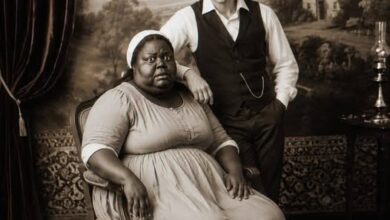
Did You Notice This Interesting Detail In Little House On The Prairie That Many Viewers Missed?


For generations of television viewers, Little House on the Prairie has remained one of the most cherished family dramas ever produced. Its stories of perseverance, compassion, faith, and community resonated with audiences throughout its original run and continue to attract new viewers decades later. Set against the backdrop of America’s frontier era, the series presented a heartfelt vision of family life through the experiences of the Ingalls family and the residents of Walnut Grove.
Premiering in 1974 and inspired by the autobiographical books of Laura Ingalls Wilder, the series quickly established itself as more than just a historical drama. Week after week, viewers were invited into a world where neighbors supported one another through hardship, families faced adversity with courage, and moral lessons often emerged from everyday struggles. The show’s emotional storytelling became its defining strength, helping it remain a beloved television classic long after its final episode aired in 1983.
Yet, like many long-running television productions, Little House on the Prairie was not without imperfections. Over its nine-season run, viewers have identified numerous continuity errors, historical inconsistencies, production shortcuts, and behind-the-scenes quirks that occasionally interrupted the illusion of life on the nineteenth-century frontier. While these details rarely diminished the show’s emotional impact, they have become fascinating topics of discussion among devoted fans and television historians alike.
One of the most frequently noted issues involves continuity. Because the series spanned nearly a decade and featured hundreds of storylines, maintaining perfect consistency was an enormous challenge. Certain events appeared to unfold on timelines that did not always align with previous episodes. Pregnancies seemed to last longer or shorter than expected, children’s ages occasionally shifted to fit new storylines, and significant life events sometimes appeared disconnected from earlier developments.
Characters would occasionally reference past experiences in ways that did not perfectly match what viewers had previously seen. Some relationships evolved rapidly, while others appeared frozen in time despite years passing within the show’s narrative. These inconsistencies were common in television production during the 1970s and early 1980s, when binge-watching and detailed fan analysis were far less common than they are today.
For writers and producers, emotional storytelling often took precedence over strict adherence to continuity. If adjusting a timeline slightly allowed for a stronger dramatic episode, that creative choice was frequently considered worthwhile. As a result, some details that modern audiences might scrutinize were largely overlooked during the show’s original broadcast.
Historical accuracy also became a subject of discussion among longtime viewers. While the series drew inspiration from real events and attempted to capture the spirit of frontier life, it occasionally incorporated elements that reflected modern television sensibilities more than nineteenth-century realities.
Costumes provide one of the clearest examples. Although many outfits were inspired by period clothing, certain hairstyles, fabrics, and design choices often reflected contemporary 1970s fashion trends. Female characters sometimes wore hairstyles that appeared considerably more modern than what would have been common on the frontier. Hair was frequently styled in ways that looked polished and camera-friendly rather than historically authentic.
Similarly, makeup and grooming occasionally reflected television standards of the era rather than strict historical accuracy. Producers sought a balance between realism and audience appeal, understanding that viewers needed to connect emotionally with the characters rather than view them as museum exhibits.
The show’s filming locations created additional challenges. Although the story was set primarily in Minnesota and other Midwestern regions, much of the series was filmed in Southern California. This decision made practical and financial sense, but it occasionally resulted in visual inconsistencies.
Sharp-eyed viewers have pointed out that the rolling hills, dry vegetation, and bright California sunshine often looked quite different from the landscapes one might expect in the Upper Midwest. During episodes depicting harsh winters, snowstorms, or freezing temperatures, audiences could sometimes spot clues suggesting that actors were filming in much warmer conditions.
Characters occasionally appeared surprisingly comfortable despite supposedly enduring brutal weather. Heavy coats were sometimes absent, breath was not visible in cold scenes, and California’s climate occasionally peeked through the illusion. These moments reflected the practical realities of outdoor television production rather than any lack of effort from the cast and crew.
Set design offered another area where production necessities influenced the final product. Because television budgets required efficiency, props, furniture, and building interiors were often reused throughout the series. A table that appeared in one family’s home might later appear in another household with only minor modifications. Decorative items frequently moved between locations, and certain interior spaces were rearranged to represent entirely different buildings.
Most viewers never noticed these details during original broadcasts, but modern audiences watching episodes back-to-back can sometimes spot familiar objects appearing repeatedly throughout Walnut Grove. These resourceful production techniques helped maintain consistency while keeping costs manageable over the course of hundreds of episodes.
Background mistakes have also become a source of amusement among fans. Like many productions filmed before the digital age, occasional errors slipped into finished episodes. Modern objects sometimes appeared briefly in the distance. Crew equipment occasionally became visible for a split second. Shadows, footprints, or other production elements sometimes entered scenes unintentionally.
These small mistakes were rarely noticeable on standard television sets during the show’s original run. However, modern high-definition viewing has made such details easier to spot, transforming them into entertaining discoveries for dedicated viewers.
The show’s special effects and stunt work also reflect the era in which it was produced. Long before computer-generated imagery became commonplace, dramatic scenes relied on practical effects, careful editing, and skilled stunt performers. Fires, storms, accidents, and action sequences were accomplished through techniques that required creativity and precision.
Today, some of these effects may appear modest compared to modern productions, but they remain impressive examples of what television crews could achieve using the technology available at the time. Their practical nature often contributes to the series’ charm and authenticity.
Despite these imperfections, the heart of Little House on the Prairie was never historical precision alone. The series succeeded because of its emotional honesty and relatable themes. Viewers connected deeply with characters facing challenges that transcended time periods: loss, friendship, family conflict, forgiveness, personal growth, and the search for belonging.
Walnut Grove itself became one of television’s most memorable fictional communities. The schoolhouse, church, general store, and surrounding homes created a setting that felt familiar and welcoming. Audiences returned each week not because every historical detail was flawless, but because they cared about the people who lived there.
Behind the scenes, many cast members later described the production as demanding yet deeply rewarding. Long filming days, outdoor shoots, and the challenges of working with children and animals required patience and dedication from everyone involved. Over the years, strong friendships developed among cast and crew members, contributing to the warmth that viewers often sensed on screen.
As the decades have passed, countless stories about the show’s production have emerged. Some are well documented through interviews and memoirs, while others have become part of fan folklore. This mixture of verified facts and speculation has only added to the series’ enduring mystique.
Today, Little House on the Prairie continues to thrive through streaming platforms, reruns, fan conventions, and online communities. New generations discover the series each year, while longtime viewers revisit favorite episodes and discuss everything from unforgettable emotional moments to amusing production errors.
Interestingly, many of the show’s flaws have become part of its appeal. Continuity mistakes, historical shortcuts, and behind-the-scenes quirks offer fans additional reasons to revisit episodes and engage with the series. Rather than diminishing its legacy, these imperfections humanize the production and remind viewers of the tremendous effort required to create weekly television during a very different era.
Ultimately, the enduring success of Little House on the Prairie cannot be measured by historical accuracy alone. Its legacy rests on its ability to tell meaningful stories about family, resilience, compassion, and hope. The occasional inconsistency or production oversight fades into the background when compared to the emotional impact the series continues to have on audiences around the world.
More than forty years after its original run ended, the show remains a powerful reminder that compelling storytelling does not require perfection. Its warmth, sincerity, and timeless themes continue to resonate across generations, ensuring that Walnut Grove and the Ingalls family remain a cherished part of television history.