Blood Pressure by Age: Important Update: Age-Based “Normal” Ranges Are Not Used in Current Guidelines (Here’s Why)

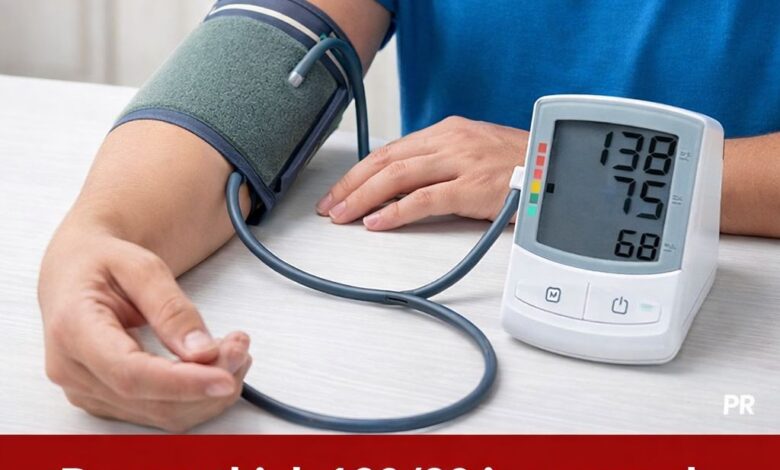
For decades, many people were reassured by a simple rule of thumb: “100 plus your age” was considered an acceptable upper limit for blood pressure. It sounded practical, even comforting. But modern medicine has shown that this idea allowed dangerously high readings to go unchecked for far too long.
We now understand that aging doesn’t make arteries stronger—it makes them more vulnerable. Over time, blood vessels lose elasticity, becoming stiffer and more fragile. When blood pressure stays elevated, that extra force continuously strains the vessel walls. The result isn’t harmless “age-related” change—it’s cumulative damage that increases the risk of serious conditions like stroke, heart attack, heart failure, and chronic kidney disease.
Crucially, this risk doesn’t disappear with age. A person in their 70s or 80s is not “protected” from high blood pressure—in fact, they may be more susceptible to its consequences. The body becomes less resilient, meaning complications can be more severe and recovery more difficult.
That’s why modern guidelines have shifted. Organizations like the American Heart Association and the American College of Cardiology now recommend a general target of 130/80 mmHg or lower for most adults. In some cases, especially when it can be done safely, even tighter control offers additional protection.
This change isn’t just theoretical—it’s backed by strong evidence. Large clinical trials such as the SPRINT trial demonstrated that more intensive blood pressure management in older adults significantly reduces the risk of cardiovascular events and death. It also helps preserve independence by lowering the chances of disability caused by strokes or heart complications.
The takeaway is simple but powerful: high blood pressure is not a normal or acceptable part of aging. It’s a medical condition that deserves attention and treatment at any stage of life.
The old thinking said, “You’re fine for your age.”
The current evidence says something far more important: your health—and your future—are worth protecting, no matter how old you are.