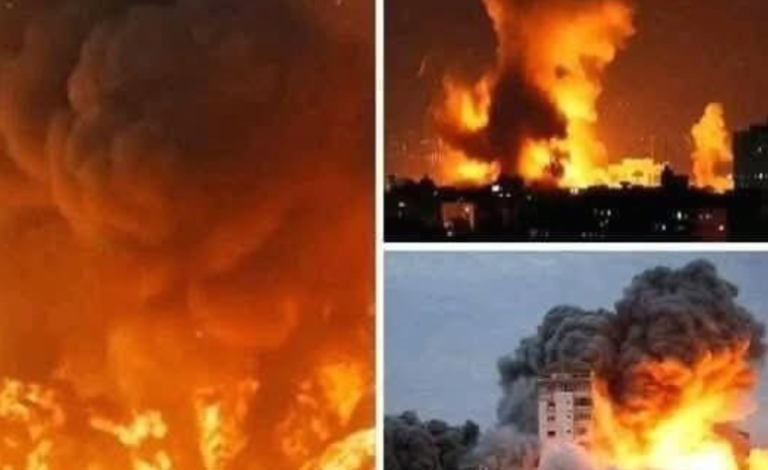
The morning of February 3, 2026, revealed the true scale of the catastrophe. A thick, bitter haze still hung over the hillsides, the air heavy with the smell of ash and burnt earth. What had started as a small, contained fire had rapidly transformed into an unstoppable blaze, driven by fierce winds and dry vegetation. As firefighters finally began to gain control and the smoke slowly lifted, the destruction became painfully visible. Early reports estimated that at least 300 homes had been either heavily damaged or completely destroyed. In just a few hours, a busy residential district had been reduced to charred foundations and blackened debris. The fire didn’t just consume houses—it ripped through the stability of a community already facing economic hardship and geographic challenges.
In the days following the disaster, the atmosphere across the area was one of shock and sorrow. Streets that once echoed with everyday life were now quiet except for emergency vehicles and the distant sound of cleanup crews. Many residents had escaped with little more than the clothes they were wearing. From a distance, they watched flames erase years—sometimes decades—of memories, belongings, and hard-earned security. Now they wander through the remains of their homes, hoping to find something—anything—that survived the destruction.
Emergency responders and aid organizations moved quickly to provide help, but the scale of the crisis has stretched resources thin. Schools, gyms, and community centers have been converted into temporary shelters, where rows of folding cots and stacks of donated supplies provide the first step toward stability. Volunteers distribute food, clothing, and essential items while mobile clinics offer medical assistance. Beyond these physical needs, responders are also working to restore a sense of order for people whose lives changed overnight. Still, everyone involved understands that these measures are only the beginning of a much longer recovery process.
As the immediate emergency response slowly shifts toward rebuilding, the deeper challenges facing the community are coming into focus. Recovery will require far more than extinguishing the final flames. The disaster has exposed long-standing vulnerabilities within the district. The hillside terrain, with its narrow roads and difficult access for emergency vehicles, made firefighting efforts far more difficult. Aging infrastructure and limited fire-resistant planning further increased the risk. At the same time, many residents already faced financial instability, with limited insurance coverage or savings to rebuild their homes. For these families, disasters like this are not temporary setbacks—they threaten their entire sense of stability and dignity.
In conversations among residents and community leaders, attention is already turning toward the future. There is growing recognition that rebuilding cannot simply mean restoring what existed before. Urban planners and safety experts are calling for significant improvements, including the use of fire-resistant construction materials and redesigned infrastructure. Wider, more accessible roads for emergency services, improved zoning regulations, and stricter oversight of high-risk hillside development are all being discussed. With climate patterns becoming increasingly unpredictable, repeating past mistakes could leave the district vulnerable to future disasters. The hope is that this tragedy can become a turning point—an opportunity to create safer communities where protection is not determined by income or geography.
Even in the face of overwhelming loss, the strength of the community has been remarkable. Before official aid fully arrived, neighbors and local organizations had already begun helping one another. People who lost their homes worked side by side searching through rubble. Local businesses offered free meals and services to displaced families. Volunteers poured into the area, providing both practical support and comfort to those struggling with grief. This spirit of solidarity has become one of the most powerful forces in the recovery effort. While buildings may be gone, the sense of connection among residents remains strong.
For government officials and private institutions, the disaster serves as a harsh reminder of the cost of inaction. The financial toll of rebuilding—estimated in the millions—far exceeds what preventative investments might have required. Many experts now argue that this tragedy should prompt stronger policies regarding hillside construction and wildfire preparedness. If these lessons lead to improved planning and stronger safety measures, the rebuilding process could help secure a safer future for communities facing similar risks. The ultimate goal is a future where families no longer live with constant fear during dry seasons or periods of strong winds.
Yet beyond the statistics and policy debates lies the human reality of the fire. Each of the “300 homes” represents a family, a lifetime of memories, and a personal story. There is the elderly couple who lost the house they had called home for half a century. There is the young family who had just finished paying off their mortgage. There are children trying to understand why their rooms, toys, and routines have suddenly disappeared. For these individuals, recovery is not an abstract policy discussion—it is a daily effort to rebuild hope. Mental health support will play an essential role, as the emotional impact of the disaster will likely linger long after physical reconstruction is complete.
As the weeks of February pass, global attention may gradually move to other news stories. For the residents of this hillside community, however, the hardest part of the journey is only beginning. True recovery will depend on sustained support, long-term planning, and consistent commitment from both public institutions and private partners. It is easy to offer help when flames dominate the news cycle. The real test will come later, when promises of stronger infrastructure and inclusive rebuilding must be honored long after the cameras have gone.
Ultimately, the February 2026 fire represents both tragedy and opportunity. While the losses are immense, the resilience of the community provides a foundation for renewal. As reconstruction begins, many residents hold cautious optimism that the hillside will rise again—not simply as it once was, but as something safer and stronger. The road to recovery will be long and difficult, but the people who call this place home have already begun walking it together. Though the destruction runs deep, their determination to rebuild runs deeper still.