BREAKING – New Jersey is officially under a State of Emergency as a powerful winter storm slams the region!

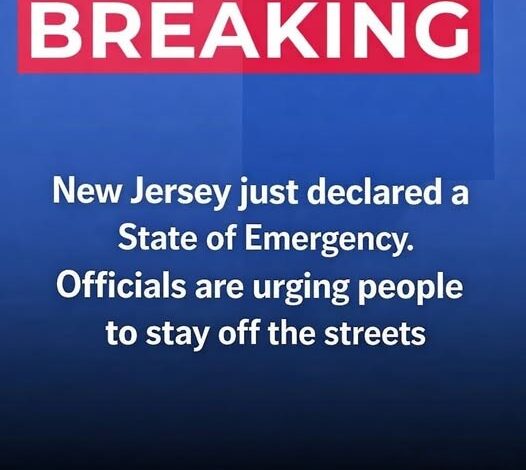
A heavy sense of urgency spread across New Jersey as dark winter clouds rolled in, turning the afternoon sky a dull shade of steel gray. What initially appeared to be an ordinary winter weather alert quickly intensified into a serious situation, prompting swift action from state leaders. By early afternoon, the storm had escalated enough that officials moved from routine monitoring to emergency response. Acting Governor Tahesha Way officially declared a State of Emergency beginning at 1:00 PM, a decision designed to mobilize resources and warn residents that a major winter storm was rapidly developing across the state.
The system began modestly with light sleet along southern coastal areas but soon strengthened into a powerful combination of heavy snow and freezing rain. For many residents still settling back into normal routines after the holidays, the sudden arrival of severe weather created widespread disruption. Major roadways—including the Garden State Parkway, the New Jersey Turnpike, and numerous local highways—were quickly becoming dangerous as slush and ice accumulated. Forecasts from the National Weather Service grew increasingly concerning, predicting between four and nine inches of snow across much of the state. While snowfall totals alone might not appear extreme, the particular combination of wet snow followed by sleet and rapidly dropping temperatures creates extremely hazardous travel conditions.
Inside government offices in Trenton and emergency management centers across all 21 counties, officials shifted into full response mode. The emergency declaration allows state agencies to redirect funding, coordinate resources more efficiently, and potentially activate additional support such as the National Guard if conditions worsen. Acting Governor Way emphasized that the situation is serious and urged residents to remain off the roads whenever possible. Officials stressed that unnecessary travel could put both drivers and emergency responders at risk, as accidents or stalled vehicles can block routes needed by plows, police, and ambulances.
Across the state, road crews began a massive effort to keep transportation routes open. Thousands of workers from state and local departments have been operating in rotating shifts, their trucks and plows working continuously as snowfall intensifies. Roadways had already been treated with salt brine in preparation for the storm, but the volume of precipitation threatens to dilute those treatments quickly. The scraping sound of plow blades against pavement has become a constant presence in many towns as crews battle worsening conditions. Utility companies have also prepared for potential outages, positioning repair teams in areas where heavy snow combined with strong winds could topple trees and damage power lines.
Travel disruptions have spread beyond the highways. Newark Liberty International Airport reported numerous flight cancellations as runways became increasingly difficult to maintain under heavy snowfall. Inside terminals, travelers found themselves waiting through delays or scrambling to rebook flights. Rail systems have also reduced speeds and switched to modified service schedules to prevent ice buildup on tracks and switches. For many people returning home after visiting family for the holidays, the storm has complicated travel plans and created long delays.Family
New Jersey’s varied geography adds additional complications during severe storms. Northern counties such as Sussex and Passaic often experience heavier snowfall due to higher elevations, while coastal areas in the south must contend with freezing rain and potential tidal flooding. As temperatures continue to fall overnight, the slushy mixture currently coating many roads is expected to freeze solid, creating black ice—one of the most dangerous hazards during winter storms because it is nearly invisible to drivers.
Beyond government preparations, communities themselves are stepping in to support vulnerable residents. In many neighborhoods, residents are checking on elderly neighbors or people living alone to ensure they have heat, food, and necessary supplies. Local organizations and community groups have organized informal networks through social media and messaging apps to make sure no one is left without help. Emergency shelters equipped with backup generators and supplies have been prepared in case power outages occur.
Meteorologists warn that the storm may intensify as evening approaches. Winds already gusting near 30 miles per hour are expected to strengthen, potentially producing whiteout conditions that dramatically reduce visibility. In extreme moments, even snowplows and emergency vehicles may have to pause operations until conditions improve. Officials continue urging residents to remain indoors, keep phones charged, and monitor weather updates through reliable sources.
While shutting down large portions of the state has economic consequences, officials say the emergency declaration was necessary to prevent greater harm. By acting early in the afternoon, the administration aimed to reduce traffic before evening commuting hours could trap drivers in worsening conditions. The result has been an unusually quiet New Jersey—normally known for constant movement and busy highways—now slowed by the force of winter weather.
News outlets continue broadcasting updates as meteorologists track bands of heavy snow moving across radar screens. The State of Emergency provides the legal authority needed to manage road closures, deploy resources, and keep residents safe. As night falls from Cape May in the south to High Point in the north, many residents remain indoors, waiting for the storm to pass and hoping that by morning the state will emerge with limited damage rather than widespread disruption. For now, New Jersey braces itself as the powerful winter storm continues to push across the Atlantic coast.