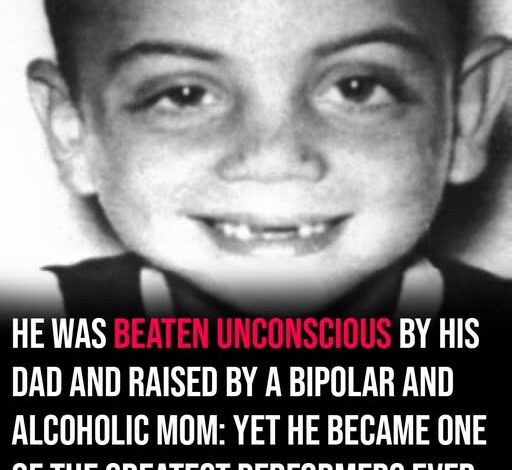
He didn’t start out as a legend. He started out as a kid trying to survive.
The house he grew up in wasn’t stable or safe—it was unpredictable, loud, and often frightening. His father’s anger could turn physical without warning, leaving behind more than just bruises. His mother, battling her own untreated struggles, filled the home with a different kind of chaos—one made of tears, instability, and emotional distance. For a child, it meant learning early that safety wasn’t guaranteed, that love could shift or disappear.
So he found something that didn’t.
At the piano, everything made sense. Notes stayed where they were supposed to. Chords resolved. Melodies carried him somewhere quieter, somewhere controlled. Music didn’t lash out, didn’t leave, didn’t break its promises. It became more than an escape—it became a language for everything he couldn’t say out loud.
Those early experiences didn’t fade as he grew older—they followed him, shaping the voice the world would one day recognize. The songs that made millions sing along weren’t just catchy or clever; they carried pieces of that confusion, that longing, that search for something steady. People heard themselves in his music because it was real.
But success didn’t fix what came before.
Fame brought its own weight—pressure, scrutiny, and a pace that didn’t leave much room to heal. There were struggles that played out publicly and others that stayed behind closed doors: alcohol, depression, relationships that fell apart under the strain. Trust was broken more than once. There were moments when it seemed like everything he built might collapse under the same kind of chaos he grew up in.
Still, he kept returning to the piano.
Again and again, that was the place he went back to—where things could be rebuilt, even if only for a few minutes at a time. It wasn’t about perfection. It was about persistence.
Now, later in life, the battles look different but feel familiar. Health challenges, recovery, the limits of a body that can’t always keep up with the demands of a life once lived at full speed. The stage may be quieter, the schedule slower, but the fight hasn’t disappeared—it’s just changed form.
To those close to him, he’s resilient. To fans, he’s iconic. But underneath all of that is something simpler and more human: a man who never stopped trying to turn pain into something meaningful.
Because at his core, he’s still that boy at the piano—holding onto the one thing that never failed him, and refusing, no matter how hard it gets, to let the silence win.