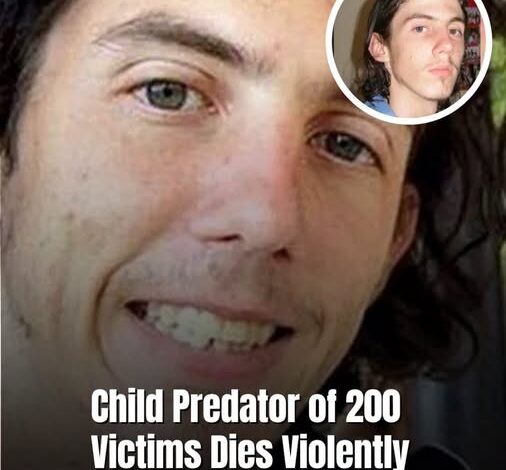
The case that investigators eventually uncovered was disturbing not only for its scale, but for the methodical way it unfolded over years without detection. Richard Huckle, a British national, built a carefully constructed identity that allowed him to move through vulnerable communities while appearing helpful, even admirable. To those around him, he presented himself as a volunteer, an educator, and someone committed to charitable work. That image gave him access—access that should have been protected, monitored, and questioned more closely.
Authorities later determined that his crimes spanned multiple countries and years, with at least 191 identified victims, though the full extent may never be known. What set the case apart was not just the number, but the system he created around his actions. He sought out environments where oversight was limited and where families, often facing economic hardship, might be more likely to trust outside assistance. Orphanages, informal schools, and community programs became the spaces he moved through, using familiarity and perceived goodwill to avoid suspicion.
Investigators described a pattern of deliberate manipulation. Rather than relying on force alone, he built relationships, gained trust, and positioned himself in ways that allowed repeated access over time. This prolonged exposure made the harm more difficult to detect, as his presence became normalized within those communities. The betrayal, in that sense, extended beyond individual victims—it affected entire networks of people who had believed they were offering children opportunities for support and education.
The case also revealed how such crimes can persist when systems meant to safeguard vulnerable populations are under-resourced or fragmented. International gaps in oversight, inconsistent background checks, and limited coordination between organizations created conditions where someone could move between locations without thorough scrutiny. In response, the case prompted calls for stronger protections, including more rigorous vetting processes for volunteers and improved communication between institutions working with children.
While legal proceedings ultimately held him accountable, the impact of the case extends far beyond the courtroom. It reshaped discussions about how trust is granted in charitable and educational settings, particularly when outsiders are involved. It also highlighted the importance of vigilance—not just at the institutional level, but within communities themselves.
For many, the most difficult aspect to confront is the realization that harm can be concealed behind appearances of kindness and service. Cases like this challenge assumptions about who is trustworthy and underscore the need for clear safeguards, transparency, and accountability wherever children are involved.
The lasting focus, for investigators and advocates alike, has been on prevention—ensuring that systems are better equipped to protect vulnerable individuals and to identify risks before they escalate. While no response can undo what happened, the lessons drawn from the case continue to inform efforts aimed at reducing the likelihood of similar abuses in the future.