SHOCKING ALLEGATIONS OF KOREAN ATTACK ORDER EXPOSED AS MASSIVE GLOBAL HOAX AMID RISING REGIONAL TENSIONS AND SOCIAL MEDIA PANIC

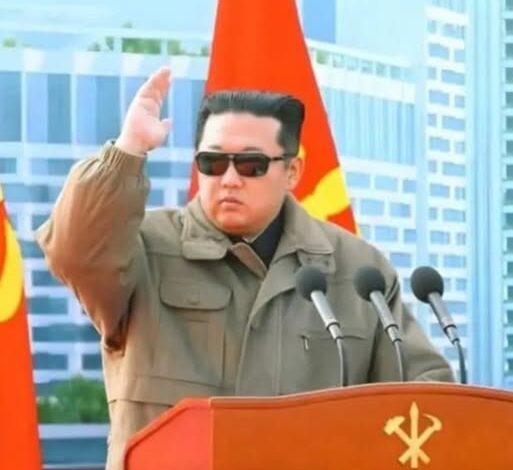
Recently, social media was flooded with alarming claims suggesting that the Korean government had officially ordered a military attack on another nation. Within a very short time, what started as scattered rumors escalated into a global wave of panic. Headlines spread rapidly, people speculated about potential war, and many were left wondering if a major conflict was about to unfold.
However, as fact-checking efforts began and credible sources stepped in, a very different picture emerged. The entire story turned out to be false. There was no official order, no confirmed military action, and no evidence to support the claims. What appeared to be breaking news was, in reality, a carefully constructed piece of misinformation that exploited existing global tensions.
Authorities and international observers quickly investigated the situation. After thorough verification from trusted organizations and official channels, it became clear that the reports had no factual basis. The supposed “attack order” simply did not exist. This incident highlights how easily misinformation can create a sense of crisis in today’s fast-moving digital environment.
The false narrative gained traction because it was designed to provoke fear. By suggesting that a government had approved a military strike, it triggered immediate emotional reactions. Given the sensitive geopolitical climate in East Asia, the story seemed believable enough to many people at first glance. Social media platforms then amplified it further, as high engagement pushed the content into more users’ feeds. The more people saw it, the more credible it appeared—creating a cycle where popularity was mistaken for truth.
In reality, official statements from South Korean authorities and reliable international news outlets show no signs of aggressive military action. Instead, the focus remains on maintaining stability, monitoring developments, and using diplomatic channels to manage regional concerns. There have been no confirmed troop movements or policy announcements that match the viral claims.
This situation reveals a broader issue in how information spreads today. Fear-based content travels quickly because it captures attention. At the same time, some websites prioritize clicks and revenue over accuracy, publishing sensational headlines without proper verification. When combined with fast-sharing habits on social media, this creates an environment where false information can spread widely before being challenged.
It also underscores the role individuals play in this process. Sharing unverified information—even unintentionally—helps misinformation reach a larger audience. That’s why it’s important to rely on well-established sources such as major international news agencies and official government communications. These organizations follow strict verification processes before publishing information, making them far more reliable than anonymous or unverified accounts.
South Korea’s actual approach remains focused on cooperation, public safety, and diplomatic engagement. Officials have made efforts to clarify the situation and reassure the public, emphasizing stability rather than conflict. This kind of transparency is essential in countering false narratives that can cause unnecessary fear or disruption.
There are important lessons to take from this incident. First, critical thinking is essential when consuming news online. Not every headline—no matter how urgent it sounds—is accurate. Second, it’s important to pause before sharing information, especially if it seems shocking or extreme. Verifying details through multiple trusted sources can prevent the spread of harmful rumors.
In the end, the claim that Korea ordered a military attack is completely untrue. There is no evidence of such action, and the situation remains stable. This episode serves as a reminder that in a world where information spreads instantly, staying informed requires caution, awareness, and a commitment to truth over sensationalism.