The $25 Miracle, How Lynda Carter Overcame Poverty and Sexist Producers to Become the World’s Most Iconic Wonder Woman

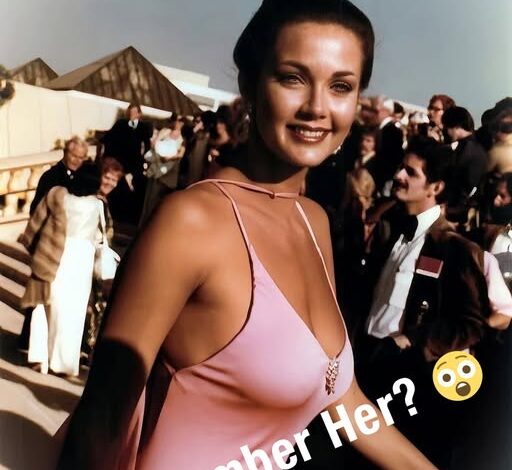
In the mid-1970s, the idea of a female action hero leading a major television series was almost unheard of. While the women’s liberation movement was gaining momentum in cities like New York City, Hollywood remained largely resistant to change, especially when it came to who could carry power on screen. Into that landscape stepped Lynda Carter—a statuesque performer from Phoenix who would redefine what strength, beauty, and heroism could look like. Her portrayal of Wonder Woman didn’t just entertain audiences; it reshaped expectations and left a legacy that still stands decades later.
Born in 1951, Carter showed signs of performance talent early, appearing on television as a child. But her first love wasn’t acting—it was music. As a teenager, she performed in small venues, including local restaurants and pizza parlors, earning modest pay while chasing a dream that seemed just out of reach. She briefly attended Arizona State University before leaving to pursue music full-time, though success in that field proved elusive.
Her path shifted when she entered the world of beauty pageants, eventually winning Miss World USA 1972. Despite the title, she later spoke candidly about the emotional toll of that experience, describing it as far from glamorous. Still, it opened doors that eventually led her to Los Angeles, where she began auditioning and studying acting, trying to carve out a place in a highly competitive industry.
By the early 1970s, Carter was struggling financially and professionally. Small roles came and went, but nothing stuck. Then came the moment that would change everything. On the day she was offered the role of Diana Prince in the television series Wonder Woman, she reportedly had just $25 to her name. She was on the verge of giving up and returning home when the call came—transforming her from a nearly-forgotten hopeful into a global icon.
Behind the scenes, however, the journey was far from smooth. The production of Wonder Woman reflected the tensions of its time. Executives worried that portraying a strong, independent female lead might alienate audiences. Carter pushed back. She insisted on portraying Diana as intelligent, compassionate, and capable—not just decorative. One of her most notable battles came when producers used a male stunt double for action scenes. Carter objected strongly and even performed a dangerous helicopter stunt herself to prove her point, ultimately leading to the hiring of a female stunt performer. It was a quiet but powerful stand for authenticity and representation.
Despite being widely celebrated for her beauty—including being named “The Most Beautiful Woman in the World” in 1978—Carter was determined not to let that define her character. She resisted attempts to overly sexualize Wonder Woman, expressing discomfort with certain promotional images that reduced her to a pin-up figure. Instead, she chose to portray the character as someone women could relate to and admire—a symbol of strength, empathy, and dignity rather than objectification.
When the series ended in 1979, Carter’s life took a more complicated turn. While her career continued, her personal life faced challenges, including a difficult first marriage that contributed to struggles with alcoholism. A turning point came in 1984 when she met Robert A. Altman. Their relationship marked the beginning of a new chapter, one defined by stability, recovery, and a conscious step away from the pressures of Hollywood.
Relocating to Potomac, Carter focused on family life, raising her children, James and Jessica, and building a quieter, more grounded existence. With her husband’s support, she achieved long-term sobriety and found fulfillment beyond fame. The loss of Altman in 2021 was a profound personal blow, yet Carter has continued to carry forward with resilience.
In recent years, she has re-emerged in the public eye, including a special appearance in Wonder Woman 1984—a moment that bridged generations of fans. Now in her 70s, Lynda Carter remains more than just a nostalgic figure. She stands as a lasting symbol of perseverance, integrity, and quiet strength.
Her legacy is not only defined by the iconic costume or the Lasso of Truth, but by the courage she showed off-screen—challenging norms, protecting her identity, and proving that real power lies in staying true to yourself, even when the world expects you to shrink.