The Invisible Nightly Sabotage Why Your Lazy Bedtime Habit Is Secretly Destroying Your Skin And Risking Your Vision For Good

We’ve all been there—that moment late at night when exhaustion takes over and even the simplest task feels overwhelming. You finally collapse onto your bed, too tired to think, let alone stand in front of the sink and remove your makeup. It seems harmless to skip it “just this once.” But while you sleep, your skin is anything but at rest—and leaving makeup on overnight sets off a chain reaction your body has to fight against.
At night, your skin shifts into repair mode. It’s when circulation increases, cell turnover speeds up, and your body works to recover from everything it faced during the day—sun exposure, pollution, and stress. But when makeup is left sitting on your face, it acts like a barrier, trapping dirt, oil, and toxins against your skin. Instead of repairing itself, your skin is forced to deal with irritation and blockage.
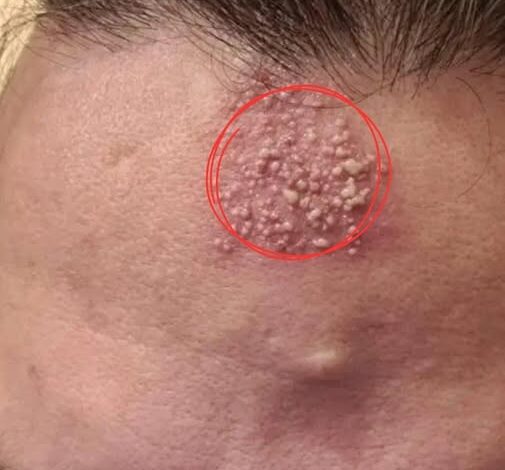
The most immediate result is often breakouts. Throughout the day, makeup collects more than just pigment—it gathers bacteria, sweat, and environmental debris. When you sleep with it on, that buildup gets pushed deeper into your pores. The warmth and pressure from your pillow only make things worse, creating the perfect environment for acne to develop. What might have been a quick cleanse turns into days or even weeks of dealing with stubborn blemishes.
But the effects go beyond just pimples.
Sleeping in makeup can quietly speed up the aging process. Throughout the day, your skin is exposed to pollutants that generate free radicals—damaging molecules that break down collagen and elasticity. When makeup traps these elements overnight, it prevents your skin from recovering. Over time, this leads to dullness, fine lines, and a loss of that healthy, natural glow. In a way, skipping your nighttime routine is like pressing fast-forward on skin aging.
The area around your eyes is even more vulnerable. Mascara and eyeliner can flake off while you sleep, and tiny particles may enter the eye. This can lead to irritation, scratches on the cornea, or infections. Blocked oil glands around the eyelashes can cause painful styes or ongoing inflammation. In more serious cases, it can even lead to conditions that require medical treatment. What feels like a small shortcut can have lasting consequences for your eye health.
Another issue many people overlook is how this habit cancels out the benefits of skincare. Expensive serums, moisturizers, and treatments rely on clean skin to work effectively. When applied over leftover makeup, they can’t penetrate properly. Instead of nourishing your skin, they sit on the surface, unable to do what they’re designed for. In other words, you’re wasting both product and effort.
Your skin’s texture and hydration also suffer. Makeup left on overnight prevents proper moisture absorption and disrupts natural exfoliation. Dead skin cells build up, leaving your complexion looking uneven, dry, and tired. Over time, this dull appearance becomes harder to reverse, no matter how many products you try.
The solution isn’t complicated—but it does require consistency.
Think of cleansing your face at night not as a chore, but as a form of self-care. Even on your most exhausting days, taking a minute to remove makeup can make a significant difference. If you’re truly too tired, keeping makeup remover wipes or micellar water nearby is a simple backup that’s far better than skipping it altogether.
Your skin works hard for you every day. It protects you, adapts, and repairs itself without asking much in return. Giving it a clean slate before bed is one of the simplest ways to support that process.
Because in the morning, your skin reflects the choices you made the night before.
And it never forgets.