
If you have ever woken up and realized you could not move or speak, even though your mind felt fully awake, you may have experienced sleep paralysis.
The experience can be frightening, especially for people who do not understand what is happening. Many describe it as feeling trapped inside their own body for a few seconds or minutes. Because it can seem strange or even terrifying, people often hesitate to talk about it. However, sleep paralysis is more common than many realize.
Sleep paralysis usually happens when a person is either falling asleep or waking up. During an episode, the mind becomes alert while the body remains temporarily unable to move. A person may be conscious of their surroundings but unable to speak, sit up, or move their arms and legs.
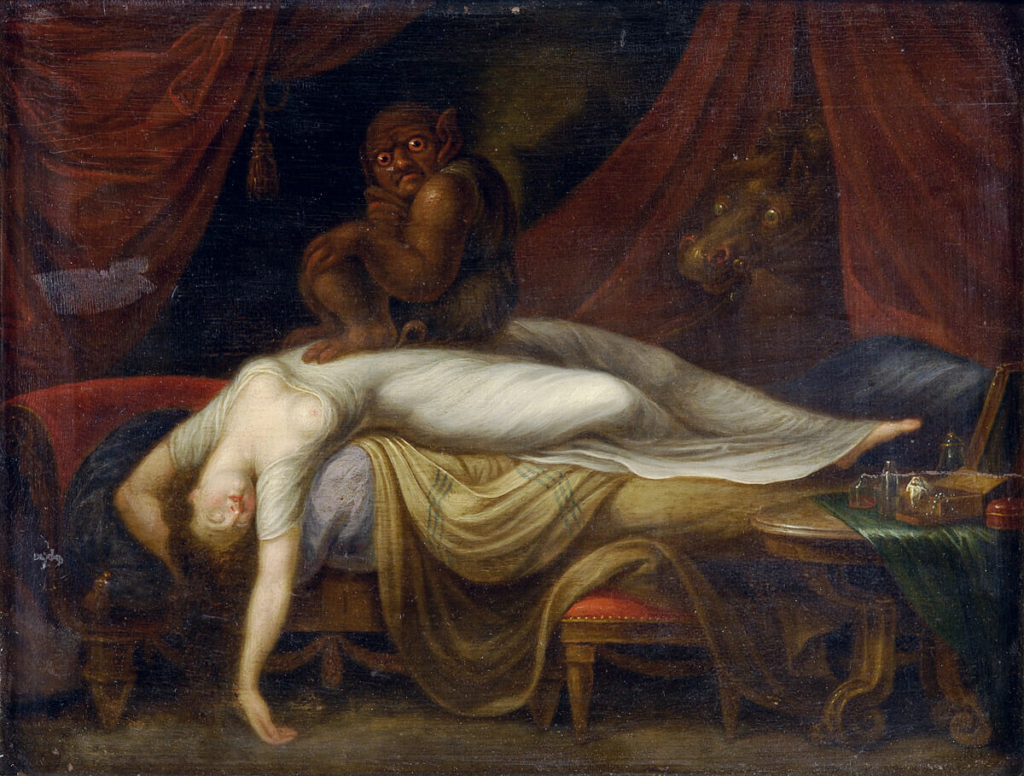
Some people also experience vivid hallucinations during sleep paralysis. They may feel as though someone is in the room, sense pressure on their chest, or have an out-of-body sensation. These experiences can make the episode feel even more intense, even though it is not physically dangerous.
According to medical explanations, sleep paralysis occurs when the body is caught between sleep and wakefulness. During REM sleep, the stage when most dreaming happens, the brain naturally prevents the muscles from moving. This temporary muscle relaxation helps stop people from acting out their dreams.
Sleep paralysis happens when the mind wakes up before the body fully exits this REM state. As a result, the person is aware but still unable to move for a short period of time. Episodes usually last only a few seconds to a couple of minutes, though they may feel much longer in the moment.
Several factors can make sleep paralysis more likely. These may include high stress, anxiety, poor sleep, irregular sleep schedules, exhaustion, and sleep deprivation. People who are very tired or whose sleep patterns are disrupted may be more vulnerable to experiencing it.
Although sleep paralysis can be disturbing, it is generally considered harmless. It is not a sign that something supernatural is happening, and it is not usually considered a disease. Instead, it is a sleep-related phenomenon that has been recognized and described for centuries.
Different cultures have created their own explanations for sleep paralysis. In some traditions, it has been described as a spirit pressing on the chest, a ghostly presence, or a force holding the body down. These stories reflect how frightening and mysterious the experience can feel, especially before people understand the science behind it.
Many people who experience sleep paralysis report a strong sense of fear during the episode. Some feel as though they are being watched. Others describe the sensation of a heavy weight on their chest or the feeling that something is nearby. While these sensations can feel extremely real, they are often linked to the brain still partly being in a dream state.
There are several habits that may help reduce the chances of sleep paralysis. Keeping a regular sleep schedule can support healthier sleep cycles. Reducing stress, avoiding screens before bed, and creating a calm sleeping environment may also help. Getting enough rest is especially important, since sleep deprivation is a common trigger.
If sleep paralysis happens, it may help to focus on slow, steady breathing. Some people find that trying to move a small part of the body, such as a finger or toe, can help the episode pass more quickly. Once a small movement returns, the rest of the body usually follows.
Sleep paralysis can feel deeply unsettling, but understanding it can make it less frightening. It is temporary, explainable, and usually not dangerous. Sharing information about it can help more people recognize what is happening and feel less alone if they experience it.
For anyone who has gone through sleep paralysis, the most important thing to remember is that the episode will pass. Your body is simply transitioning between sleep and wakefulness, and within moments, normal movement returns.