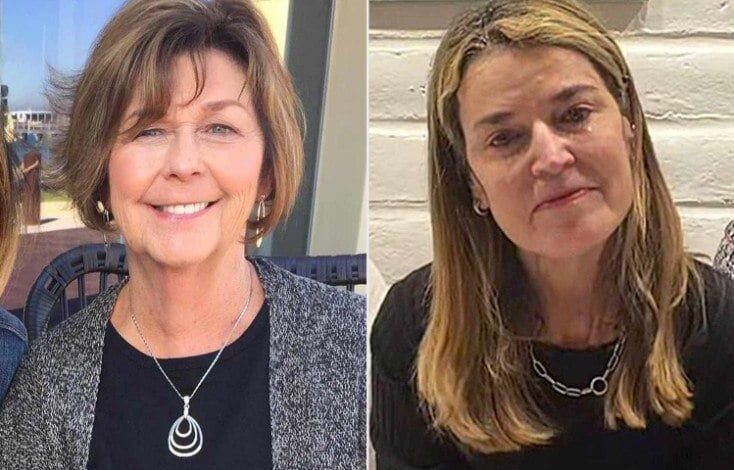
The pace of modern news often moves faster than verified information can catch up, creating moments where speculation spreads before the full story becomes clear. This dynamic was recently visible in Arizona when developments involving veteran broadcaster Savannah Guthrie sparked a surge of online attention. Within minutes of an initial confirmation, the story moved rapidly from local discussions into widespread conversation across social media platforms. The situation highlighted how quickly information can travel when a well-known public figure is involved, and how easily early speculation can outpace confirmed details.
Savannah Guthrie occupies a prominent place in American media. As a long-time morning television anchor and experienced legal journalist, she has become a familiar presence for millions of viewers. Over the years, her reporting has guided audiences through major national events, from political transitions to global crises. Because of that visibility, any sudden development connected to her career tends to generate strong public interest. For many viewers, Guthrie represents more than a journalist—she is part of their daily routine, delivering news with a steady and measured tone that has built trust over time.
The initial update that triggered the attention was handled with the same calm professionalism that has characterized Guthrie’s career. While appearing in Arizona for a series of media-related engagements, she continued her scheduled commitments even as online discussions began circulating. Industry observers later clarified that the updates surrounding her appearance were tied to professional developments rather than any personal or alarming situation. In the early stages of breaking news, however, the absence of complete context often leads to exaggerated speculation online. In this case, reliable sources quickly provided clarification, helping shift the narrative back toward verified information.
The episode unfolded at a time when the media industry itself is undergoing significant transformation. The ways audiences access news are changing rapidly as digital platforms, streaming services, and social media reshape how information is distributed. As a result, the traditional roles of anchors and correspondents are evolving. Many analysts believe that Guthrie’s recent activity reflects broader efforts within the industry to expand established journalism voices across new platforms and formats.
Arizona’s role in the situation also reflects the increasingly decentralized nature of modern media events. Major professional announcements or appearances no longer need to take place in traditional media hubs such as New York or Washington to attract national attention. With digital connectivity, any location can quickly become the center of a global conversation once news begins circulating online.
As the story spread, reactions from colleagues, viewers, and media professionals were largely supportive. Social media posts and clips from Guthrie’s appearance began trending, and the conversation gradually moved away from speculation toward appreciation for her contributions to journalism. Observers noted that the tone of the public response reflected the reputation she has built over the years—measured, thoughtful, and reliable.
At the same time, the event underscored a broader challenge facing the modern information environment. When fragments of a story circulate online before full details are available, they can easily be misinterpreted or taken out of context. This “misinformation gap” has become a familiar feature of the digital age, where rapid sharing sometimes replaces careful verification. In this instance, the surge of early attention nearly overshadowed the actual substance of the professional update.
For high-profile journalists, this dynamic creates a unique challenge. Their visibility ensures that any development will draw immediate interest, but it also means that rumors can spread just as quickly as confirmed information. The speed of the reaction surrounding Guthrie’s appearance illustrated how quickly narratives can form—and how important reliable reporting remains in correcting them.
Those who attended the Arizona event described Guthrie as focused and composed throughout the situation. Her approach reinforced the reputation she has built during her years on national television. By maintaining a calm presence and allowing official communication channels to provide clarification, she helped ensure that the story returned to a more accurate footing.
Media analysts believe the episode may become an example of how reputation and credibility influence public reaction during fast-moving news cycles. In a media environment where trust is often fragile, figures who have established consistent reliability can serve as stabilizing voices.
As additional details about Guthrie’s professional plans continue to emerge, the broader takeaway from the Arizona moment is clear. The story demonstrated how closely audiences follow trusted journalists and how quickly a brief update can evolve into a major online conversation. It also served as a reminder that even in a digital world where information spreads instantly, accurate reporting still depends on patience, context, and careful verification.
For Savannah Guthrie, the moment represents another chapter in a career that has already navigated dramatic changes within the media industry. As journalism continues adapting to new platforms and technologies, her role may evolve alongside those changes. What remains consistent, however, is the influence of a trusted voice in an era where clarity and composure are more valuable than ever.