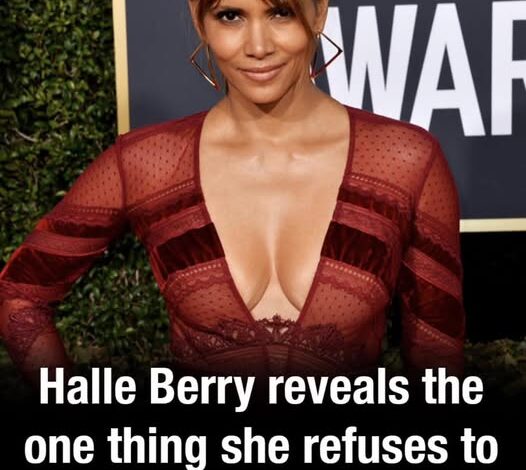
Halle Berry has long been admired not only for her celebrated career but also for her willingness to speak openly about personal evolution, love, and self-awareness. Throughout the years, she has shared candid reflections on relationships, heartbreak, motherhood, and the insights gained through lived experience.
Now in her late fifties and engaged to musician Van Hunt, Berry continues to approach conversations about intimacy and partnership with honesty and maturity. She often emphasizes emotional connection, mutual respect, and clearly defined boundaries as foundational elements of a healthy relationship.
Her recent remarks about refusing to fake orgasms were not intended to provoke controversy. Rather, they reflect a broader perspective she has developed over time—one rooted in authenticity. For Berry, intimacy is not about performance or expectation, but about shared presence, communication, and genuine fulfillment for both partners.
In speaking so openly, she reinforces a message that resonates beyond celebrity culture: that self-knowledge, honesty, and emotional truth are not only personal milestones, but essential components of meaningful connection at any stage of life.
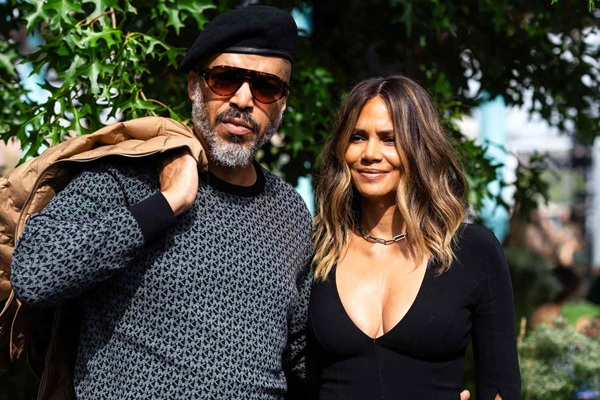
For Halle Berry, this outlook reflects years of personal growth and a clearer understanding of her own value.
A Candid Conversation About Intimacy
During a recent appearance on the Sex With Emily podcast, Berry spoke openly about a subject that many people navigate privately but seldom address publicly. She explained that she no longer feels compelled to pretend satisfaction in order to protect a partner’s ego.
Looking back, Berry acknowledged that earlier in her life she sometimes followed unspoken cultural expectations—ones that encouraged women to place a partner’s comfort or confidence above their own needs. With time and experience, she has come to see that approach as limiting rather than supportive.
Today, she views intimacy through a different lens. Berry emphasized that it should not be centered on performance or reassurance, but on honesty, communication, and shared presence. In her view, both partners deserve to feel genuinely fulfilled, emotionally connected, and respected.
Her remarks highlighted balance and mutual enjoyment, framing intimacy as something that deepens trust and strengthens a relationship—not an obligation or a role to be performed. Notably, her comments were thoughtful rather than provocative, focusing on self-respect, equality, and shared responsibility within a healthy partnership.
For Halle Berry, the guiding principle is straightforward: real intimacy grows from honesty. When both people feel seen, heard, and respected, physical closeness becomes a natural extension of emotional trust.
Love That Began With Emotional Connection
Berry’s relationship with Van Hunt began in 2020, during the early months of the COVID-19 pandemic. Like many couples at the time, their connection started virtually. With lockdowns limiting in-person meetings, they spent weeks talking—learning about each other’s histories, values, fears, and dreams before ever sharing the same physical space.
That slower, conversation-first rhythm proved meaningful. In later interviews, including a 2024 feature with Marie Claire, Berry reflected that it was the first time she had fallen deeply in love before becoming physically involved with someone. The experience, she explained, shifted her understanding of what partnership could look like.
For Berry, building emotional intimacy first felt transformative. She has described it as magical and even life-changing, emphasizing how the foundation of friendship and communication reshaped her expectations of romance.
By the time they met in person, the groundwork had already been laid—rooted in shared values, long conversations, and mutual respect. Berry has frequently referred to Hunt as her best friend, highlighting a sense of understanding and emotional safety that she says feels different from anything she experienced in past relationships.
A Public Declaration of Love
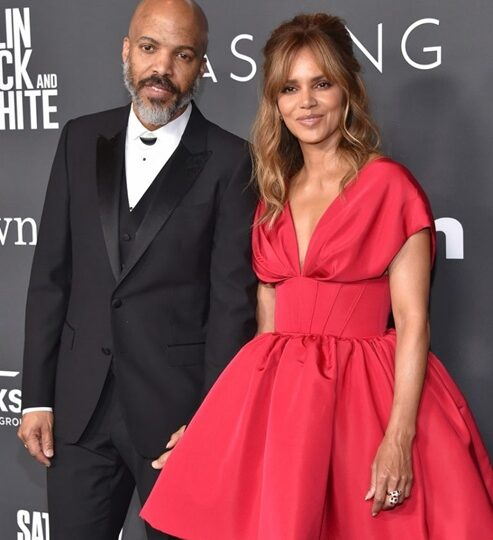
In September 2020, Halle Berry publicly confirmed her relationship with Van Hunt by sharing a photo of herself wearing merchandise from his tour. The post was simple, but the message was clear—she was happy, and she wanted to share that happiness openly.
Since then, Berry has spoken warmly about Hunt, often describing him as the love of her life. In interviews and public appearances, she has expressed gratitude for finding a partner who connects with her not only romantically, but emotionally and spiritually.
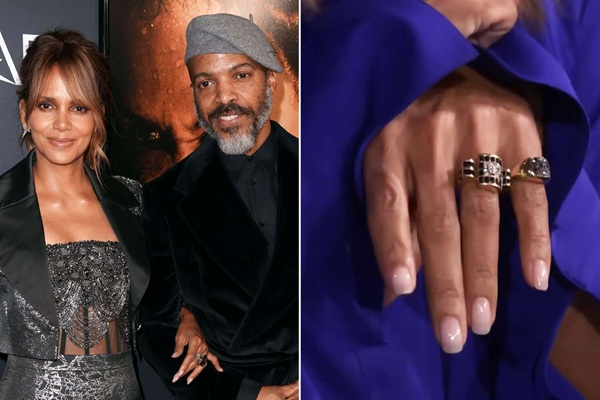
Their engagement, announced in 2024, marked another milestone. Although Berry has experienced marriage before, she has said this relationship feels distinct from her previous ones. Her reflections are not dismissive of the past; rather, they reflect evolution. She has described this phase of her life as one where she finally understands what she needs—and deserves—in a partner.
Lessons From Three Marriages
Before her engagement to Hunt, Berry was married three times: first to former MLB player David Justice, then to musician Eric Benét, and later to actor Olivier Martinez. Each marriage ended in divorce—experiences she has openly acknowledged as painful but formative.
Rather than labeling those chapters as failures, Berry has framed them as periods of growth. In past interviews, she has reflected on how she once focused heavily on what she did not want in a partner, without realizing that such focus could unconsciously shape the dynamics she attracted.
With time, she shifted her perspective. Instead of concentrating on avoidance, she began defining clearly what she valued—mutual respect, emotional safety, and genuine partnership. She has spoken candidly about accountability, recognizing recurring patterns, and consciously breaking cycles that no longer supported her well-being.
Through that self-examination, Berry suggests, she arrived not just at a new relationship, but at a new understanding of herself.
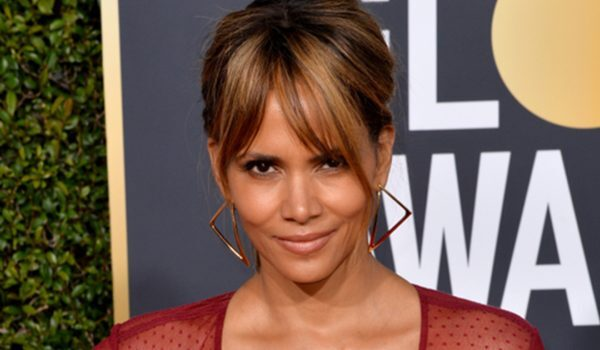
Halle Berry has said openly that after three divorces, she reached a point where she was genuinely prepared to remain single if the right partner never appeared. Her focus was on raising her children and building a life that felt full and meaningful on its own. That willingness to stand independently, she believes, created the conditions for a healthier relationship to enter her life.
The Right Timing
Berry has frequently emphasized that timing was essential to her relationship with Van Hunt. She has reflected that had they met earlier, she might not have been emotionally ready for the kind of partnership they now share.
By the time they connected, she says she had reached a place of stability and self-acceptance—professionally, personally, and as a mother. That sense of wholeness allowed her to approach love from a position of confidence rather than dependence.
In interviews, Berry has noted that feeling genuinely supported can change how a woman sees the world. She has described feeling more optimistic, grounded, and open to possibility—framing partnership not as fantasy, but as something that can strengthen and empower both people involved.
Motherhood and Balance
Berry is the mother of two children: her daughter Nahla, whom she shares with model Gabriel Aubry, and her son Maceo-Robert, whom she shares with Olivier Martinez. She has consistently described motherhood as the most important role in her life.
Balancing family responsibilities with a demanding acting career has required careful intention. Berry has spoken about protecting her children’s privacy while also striving to model resilience, self-respect, and emotional balance—values she considers central not only to parenting, but to the life she continues to build.
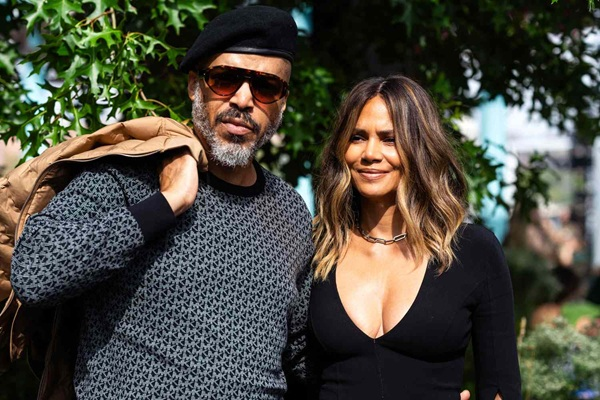
Halle Berry has indicated that her relationship with Van Hunt strengthens her family life rather than complicating it. Those close to the couple say she approached the idea of remarriage thoughtfully. After three divorces, she was in no hurry to repeat the past. Yet over time, she concluded that the steadiness of their bond—and the depth of her feelings—made taking the next step feel natural.
A Small and Meaningful Celebration
Reports suggest that Berry and Hunt are planning an intimate wedding ceremony, surrounded by close friends and family. The choice reflects her current priorities: sincerity over spectacle, closeness over extravagance.
Earlier phases of her life often unfolded under intense public attention. Now, she appears more focused on protecting what feels meaningful rather than turning it into a headline. The quieter approach mirrors her broader evolution toward intentional living.
A Career Marked by Milestones
Although recent conversations have centered on her personal life, Berry’s professional legacy remains significant. She made history at the Academy Awards when she became the first Black woman to win Best Actress for her performance in Monster’s Ball. That achievement not only cemented her place in Hollywood history but also expanded possibilities for future generations of performers.
Across decades, she has balanced major studio productions with character-driven roles, demonstrating adaptability in an industry known for rapid change. Her openness about relationships and personal growth does not overshadow those accomplishments—it adds dimension to them, presenting a public figure shaped by both talent and lived experience.
Redefining Intimacy and Self-Worth
Berry’s comments about refusing to fake satisfaction are less about controversy and more about empowerment. They reflect her belief that women should not feel obligated to minimize their needs to preserve someone else’s pride.
Her perspective aligns with broader cultural conversations about equality within partnerships. In her view, intimacy should never be performative. It should be rooted in communication, honesty, and shared fulfillment.
Now 59, Berry speaks with the assurance of someone who has experienced love, loss, reinvention, and renewal. Rather than approaching relationships from insecurity, she emphasizes clarity and confidence.
A Continuing Chapter
Engaged to Hunt, raising her children, and maintaining an active career, Berry appears grounded in a way she has long described striving for. She has characterized this period of her life as one defined by gratitude and alignment.
Her reflections suggest that growth is ongoing—that hardship can deepen understanding, and that boundaries once unspoken can evolve into firm expressions of self-respect. Love, when built on emotional connection, can feel transformative at any age.
Ultimately, Berry’s message centers not on shock value but on authenticity. After decades in the spotlight, she remains candid about what she needs to feel valued.
Her journey—from award-winning actress to devoted mother to engaged partner—illustrates that personal evolution does not end at a particular milestone. It continues to unfold, shaped by reflection, resilience, and the courage to insist on honesty in every corner of life—including the mutual respect and fulfillment she now considers non-negotiable.