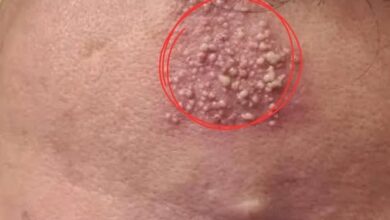
Doctors Warn: If You Notice This Dark Mark on the Neck, It Could Be an Early Sign of a Serious Health Problem

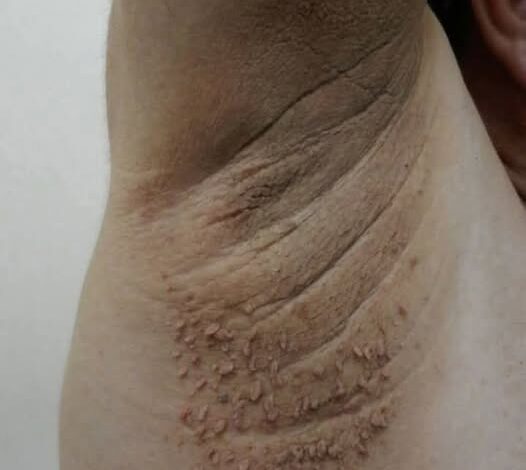
Most people assume it’s just dirt.
A patch that doesn’t quite look right on the back of the neck or under the arms often gets the same reaction: scrub harder, use stronger soap, maybe even assume it’s a hygiene issue.
But doctors warn that in some cases, these darkened patches aren’t something on the surface at all.
They’re something happening underneath it.
And for many people, they can be one of the earliest visible clues that the body is struggling with blood sugar regulation.
The Skin Change That Often Gets Misunderstood
A growing number of medical professionals have been drawing attention to a condition known as Acanthosis Nigricans.
It typically appears as areas of darkened, thickened, slightly velvety skin, most commonly in body folds such as:
- The back of the neck
- Under the arms
- The groin area
- Other skin creases
At first glance, it can easily be mistaken for dirt, sun exposure, or unwashed skin.
That’s why many people try repeatedly to scrub it away—often without success.
The key detail is this:
It doesn’t wash off.
Because it isn’t caused by external buildup.
It is a change in the skin itself.
Why Doctors Take It Seriously
Medical experts often associate Acanthosis Nigricans with insulin resistance, a condition in which the body’s cells don’t respond properly to insulin.
When this happens, the body has to produce more insulin to achieve the same effect, which can gradually disrupt blood sugar balance.
Over time, insulin resistance may increase the risk of developing:
- Prediabetes
- Type 2 diabetes
- Metabolic syndrome
- Other metabolic complications linked to weight and hormone regulation
What makes this condition particularly important is timing.
In some cases, these skin changes appear years before blood sugar problems are formally diagnosed.
That means the skin may be one of the first places the body signals that something is changing internally.
It Can Also Affect Children
One of the more concerning aspects is that this condition is not limited to adults.
Children and teenagers can also develop Acanthosis Nigricans, particularly if they are experiencing weight-related metabolic changes.
Pediatric specialists often advise parents to pay attention if they notice:
- Dark patches developing suddenly
- Gradual darkening or spreading over time
- Skin that feels thicker or more textured than usual
- Areas that do not improve with normal washing or skincare
In younger individuals, these signs can sometimes indicate an increased risk of developing Type 2 diabetes later in life, making early evaluation especially important.
But Not Every Dark Patch Is a Warning Sign
It’s important to be careful not to jump to conclusions.
Not all darkened skin patches are related to blood sugar issues.
Several harmless conditions can look very similar, including Terra Firma-Forme Dermatosis (TFFD), a benign skin condition where dead skin cells accumulate and create dark, “dirty-looking” patches.
Unlike Acanthosis Nigricans, TFFD often improves quickly when gently wiped with alcohol-based solutions, such as 70% isopropyl alcohol.
This difference highlights an important point:
Appearance alone is not enough for a diagnosis.
Only a healthcare professional can accurately determine the cause.
Other Symptoms That May Signal Blood Sugar Issues
When darkened skin patches appear alongside other symptoms, doctors recommend taking a closer look at overall metabolic health.
Some additional warning signs can include:
- Increased thirst
- Frequent urination
- Persistent fatigue
- Blurred vision
- Unexplained weight changes
These symptoms may suggest blood sugar imbalance and should be evaluated with proper medical testing.
What to Do If You Notice These Changes
The presence of darkened skin does not automatically mean something serious is wrong.
But it is a signal worth paying attention to.
Healthcare professionals often recommend simple next steps such as:
- Scheduling a basic blood glucose test
- Monitoring diet and lifestyle habits
- Increasing physical activity where appropriate
- Maintaining a healthy, stable weight
- Observing whether the skin changes progress or remain stable
Many of these evaluations can be done quickly at clinics or even pharmacies, making early screening accessible.
The Key Takeaway
A dark patch on the neck or skin folds is not always dirt.
And it is not always a sign of disease.
But it is also not something to automatically ignore.
Because in some cases, the skin reflects changes happening inside the body long before other symptoms appear.
That’s why doctors encourage a simple rule of thumb:
If a skin change persists, spreads, or feels unusual—get it checked.
Not out of fear.
But out of awareness.
Sometimes, the body’s earliest warning signs don’t come as pain or illness.
They come quietly.
In the skin.