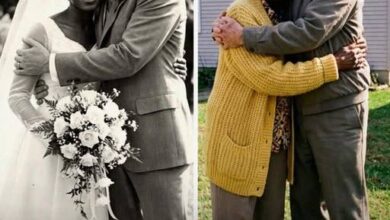
Photography is often described as a discipline of precision. Many people imagine it as a craft built entirely on technical control—adjusting shutter speed, balancing aperture, measuring light, and waiting patiently for the exact moment when everything aligns. In classrooms and tutorials, photographers are taught to plan carefully: scout the location, visualize the composition, and execute the shot with intention. By this definition, a great photograph appears to be the result of perfect preparation and flawless technique.
Yet photographers who have spent years behind a camera frequently discover something more complicated. Some of the most powerful and memorable images are not the ones that were meticulously planned. Instead, they emerge unexpectedly, appearing in the brief space between intention and accident. These photographs arrive without warning, shaped by the unpredictable movement of people, light, weather, and time.
The most striking images often occur when the world refuses to remain still for the photographer. A bird may suddenly sweep across the frame at the exact instant the shutter clicks. A burst of laughter might interrupt a formal portrait session, transforming a rigid pose into something authentic and human. A sudden gust of wind might lift a veil, scatter leaves, or shift a curtain in a way no photographer could have arranged intentionally. In these moments, photography moves beyond technique and touches something closer to spontaneity and discovery.
Many of these images begin in carefully controlled situations. Professional photographers often spend hours studying a location before a shoot. They examine how sunlight moves across buildings, how shadows fall across streets, and how the environment changes throughout the day. Equipment is adjusted with precision—lenses are selected, white balance is set, and composition is refined. Everything appears ready for a perfectly executed photograph.
Then something unexpected happens.
A passerby walks into the frame and suddenly adds a story to an otherwise quiet scene. A child runs across a plaza, injecting movement into an architectural composition. A cloud shifts overhead and a sudden beam of light illuminates a detail that had gone unnoticed moments earlier. What was meant to be a simple photograph evolves into a scene layered with meaning and life.
This is what the legendary photographer Henri Cartier-Bresson described as the “decisive moment”—that brief instant when movement, composition, and emotion come together in a way that cannot be repeated. It is not purely accidental, but it cannot be fully engineered either. The photographer must be prepared, attentive, and quick enough to recognize it when it happens.
Even inside a studio, where lighting and positioning are controlled with extreme precision, unexpected moments still find their way into the frame. During a fashion shoot, a model might briefly lose balance, laugh, or shift expression in a way that reveals genuine personality. A prop might fall or tilt slightly, creating a composition more interesting than the original arrangement. These small disruptions can replace carefully rehearsed poses with something authentic and emotionally engaging.
Ironically, these unplanned images are often the ones audiences connect with most deeply. In a world saturated with curated images, polished edits, and carefully staged content, authenticity has become rare. A photograph that captures a spontaneous gesture or a fleeting human expression feels honest. Viewers recognize something real within it—something imperfect, but true.
This unpredictability is also what makes photography such a humbling art form. A photographer must balance two roles at once: planner and observer. Preparation remains essential—understanding exposure, composition, and timing creates the foundation for strong images. But equally important is the willingness to let go of rigid expectations. The photographer must remain alert to the small surprises unfolding outside the planned frame.
Those who cling too tightly to their original idea may miss the moment happening just beyond their focus point.
Sometimes the most meaningful discoveries occur after the photograph has already been taken. A street photographer reviewing hundreds of images might suddenly notice a subtle interaction in the background—a shared glance between strangers, a gesture of kindness, or a quiet moment unfolding unnoticed during the shot. These details often reveal stories richer than the scene the photographer originally intended to capture.
In this way, photography becomes an act of discovery as much as creation. The camera does not simply record what the photographer expects to see; it sometimes reveals what the photographer did not notice in the moment. Each frame holds layers of reality that become visible only after the fact.
This idea extends beyond photography itself. People often try to structure their lives with the same level of control—planning careers, relationships, and goals with careful intention. But many of life’s most meaningful experiences arrive unexpectedly. Friendships form in unplanned moments. Opportunities appear without warning. The events that shape our lives often occur outside the carefully arranged schedule.
Photography mirrors this truth. The images that stay with us are rarely the ones that followed a rigid plan. They are the ones that captured a moment of real life unfolding naturally—something honest, spontaneous, and impossible to recreate.
In the end, the greatest photographs are often the result of preparation meeting openness. Technical skill creates the possibility of the image, but curiosity and attentiveness allow the photographer to recognize the unexpected gift when it appears. The world is constantly moving, changing, and offering small moments of beauty.
Sometimes all a photographer has to do is be ready when the world decides to reveal them.