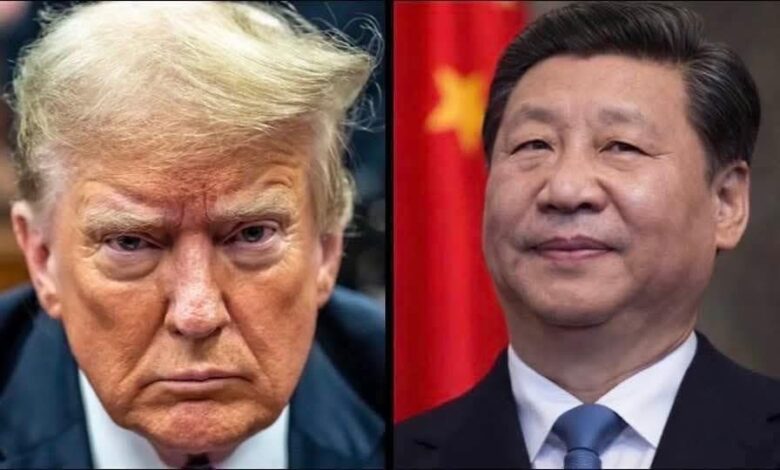
As tensions rise in the Middle East and the United States conducts strikes against Iranian targets, a question has begun circulating widely among analysts and observers: Why is China so quiet? Iran is one of Beijing’s major energy partners, and instability in the region threatens one of the world’s most critical trade routes. Yet China’s public response has been notably restrained.
Some analysts argue that this silence is not passivity but strategy.
A Conflict with Global Consequences
One of the most critical chokepoints in global trade is the Strait of Hormuz, through which roughly 20% of the world’s oil supply passes every day. Any disruption there can have immediate consequences for global energy markets.
Recent escalations in the region have included drone attacks, missile strikes, and rising tensions between Iran and several Gulf states. These developments have highlighted a growing concern in modern warfare: the asymmetry between inexpensive attack technologies and costly defense systems.
For example, relatively cheap drones can sometimes force defenders to deploy expensive interceptor missiles. Analysts often point out that this cost imbalance can strain even the most advanced defense systems over time.
The Quiet Role of Technology and Alliances
Another dimension of the conflict involves technology and strategic partnerships. Iran has developed increasingly sophisticated drone and missile capabilities in recent years, and it has strengthened ties with countries such as Russia and China, including through joint naval exercises.
China’s global satellite navigation system, BeiDou, is also expanding worldwide. Some experts speculate that countries seeking alternatives to U.S.-controlled systems like GPS may rely on such technologies for navigation and positioning.
While Beijing has avoided direct involvement in the conflict, it has deepened economic and technological relationships with several countries in the region.
Shifting Economic Relationships
In recent years, the global financial and energy landscape has begun to evolve.
Some Gulf countries have started exploring energy trade in currencies other than the U.S. dollar, including the Chinese yuan. Meanwhile, the BRICS bloc has expanded, adding new members and partners among major energy producers.
China has also been gradually reducing its holdings of U.S. Treasury bonds, while increasing purchases of gold, moves many economists interpret as part of a broader effort to diversify reserves.
China’s Long-Term Global Strategy
While the United States has spent heavily on military operations in parts of the Middle East over the past two decades, China has focused much of its international strategy on economic development and infrastructure investment.
Through initiatives such as the Belt and Road Initiative, Beijing has funded ports, railways, power plants, and telecommunications networks across Asia, Africa, and parts of Europe.
Africa, in particular, has become a major focus. China is now one of the continent’s largest trading partners, investing in transportation infrastructure, energy projects, and digital networks.
Many analysts believe Beijing sees infrastructure development as a long-term way to expand influence without direct military confrontation.
A Strategy of Patience
Some geopolitical observers argue that China’s current posture reflects a long-term strategic philosophy: avoid direct confrontation while expanding economic and technological influence.
Whether this approach will reshape global power dynamics remains uncertain. However, as conflicts continue to unfold and alliances evolve, China’s quiet diplomacy and investment-driven strategy may play an increasingly important role in the global order.
For now, Beijing’s response remains measured, reinforcing the perception that in geopolitics, silence can sometimes be part of the strategy.