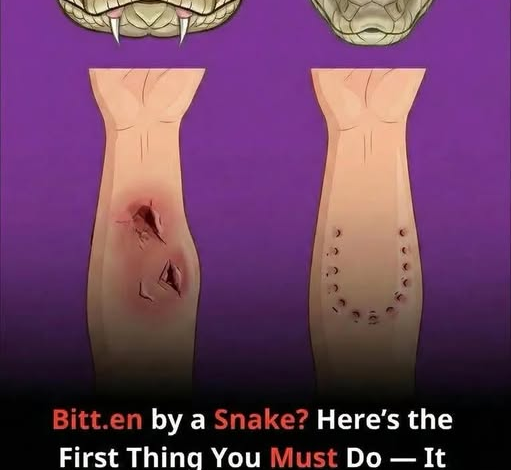
Spending time outdoors can be one of the most rewarding parts of everyday life. Whether you are tending a garden, clearing land, working on a farm, camping with family, or walking along a quiet hiking trail, being outside offers fresh air, exercise, and a valuable break from daily routines. However, in many parts of the world, outdoor spaces are also home to snakes. Most snakes prefer to avoid people and will usually move away if left alone, but accidental encounters can still happen. Because some species are venomous, it is important for anyone who spends time outdoors to understand how to reduce the risk of a bite and how to respond if one occurs.
Snakebites can be frightening, especially when they happen suddenly and far from immediate medical help. Still, experts often stress that panic can make the situation worse. Staying as calm as possible, limiting movement, and getting professional medical care quickly are among the most important steps a person can take. Preparation matters because many people do not think about snakebite first aid until an emergency has already happened. Learning the basics ahead of time can help protect not only yourself, but also family members, coworkers, neighbors, and anyone else who may be nearby during an incident.
Health authorities in many countries continue to monitor snakebite cases each year, particularly in regions where venomous snakes are common. Australia is one well-known example, as it is home to several highly venomous snake species. Although thousands of suspected bites may be reported annually, only some require hospital treatment, and deaths remain relatively rare thanks to public awareness, emergency response, and access to antivenom. Even so, every snakebite should be taken seriously because symptoms may not always appear immediately, and the severity of a bite can vary depending on the species, the amount of venom injected, the location of the bite, and the person’s overall health.
Many snakebite incidents occur in rural or semi-rural areas, where people are more likely to come into contact with snakes during work or recreation. Farmers, gardeners, landscapers, hikers, and people living near bushland or open fields may face a higher chance of unexpected encounters. However, snakebites do not only happen in remote wilderness areas. In fact, a surprising number of encounters occur close to home. People may come across snakes while mowing the lawn, moving firewood, cleaning sheds, walking through long grass, reaching into outdoor storage areas, or trying to remove a snake from a yard. This shows that snake awareness is not only important for campers and hikers, but also for homeowners and anyone who regularly spends time around gardens, garages, sheds, or paddocks.
Understanding why snakes enter certain areas can help reduce the chance of an encounter. Snakes are often drawn to places that provide shelter, warmth, water, and food. Overgrown vegetation, piles of timber, stacked building materials, rubbish, compost areas, and cluttered sheds can create hiding places. Rodents can also attract snakes because they are a common food source. A property with mice or rats may become more appealing to snakes searching for prey. By keeping outdoor spaces clean and well maintained, homeowners can make their surroundings less inviting to both rodents and snakes.
Simple prevention steps can make a meaningful difference. Grass should be kept short, especially around houses, fences, walkways, and children’s play areas. Garden beds, wood piles, and storage areas should be checked carefully before placing hands or feet near them. Gaps under doors, sheds, garages, and outbuildings should be sealed where possible. Pet food should not be left outside overnight, as it may attract rodents. Outdoor lighting can also help people see where they are stepping after dark. When walking in areas where snakes may be present, it is best to stay on clear paths, avoid walking through long grass when possible, and watch where hands are placed when climbing over rocks, logs, or fences.
Protective clothing is another important part of prevention. Many bites occur on the arms, hands, feet, ankles, or lower legs, often when someone accidentally steps near a snake or reaches into a place where a snake is hiding. Wearing sturdy boots, long trousers, thick socks, gloves, and long-sleeved shirts can reduce exposure and provide an extra layer of protection. This is especially important when gardening, collecting firewood, working around sheds, moving debris, or walking through areas with poor visibility. Although clothing cannot guarantee complete protection, it can lower the risk of direct contact and may reduce the severity of some bites.
One of the most dangerous mistakes people make is trying to handle, kill, or move a snake themselves. Even a snake that appears calm or injured can bite if it feels threatened. Many bites happen when people attempt to catch or chase a snake rather than keeping a safe distance. If a snake is found near a home or workplace, the safest response is to move people and pets away, keep the snake in sight from a safe distance if possible, and contact a trained snake handler or local wildlife authority. Giving the snake space is usually the best option, as snakes generally do not want to confront humans.
If a snakebite does occur, it should always be treated as a medical emergency. This is true even if the person feels well at first or if the bite does not look severe. Some venomous bites may cause immediate pain, swelling, bleeding, or redness, while others may initially cause little or no visible reaction. Symptoms can develop gradually and may include nausea, weakness, dizziness, blurred vision, headache, sweating, difficulty breathing, or problems with movement or speech. Because it is not always possible to know whether venom has been injected, professional medical assessment is essential.
The first step after a suspected snakebite is to call emergency services immediately. The bitten person should be kept as still and calm as possible. Movement can increase circulation and may cause venom to spread more quickly through the body. If the bite is on a limb, the limb should be kept still and immobilized. In some regions, particularly where certain venomous snakes are common, authorities recommend using a firm pressure immobilization bandage. This involves wrapping the bitten limb firmly, but not so tightly that circulation is cut off, and then keeping the limb still with a splint if one is available. Because first aid recommendations may vary by country and snake species, people should learn and follow the guidance provided by their local health authorities.
There are also several things that should not be done after a snakebite. The wound should not be cut, sucked, or burned. Ice should not be applied directly to the bite. A tourniquet should not be used unless specifically directed by medical professionals, as it can cause serious harm. The person should not drink alcohol or caffeine, and they should avoid unnecessary walking or running. In some places, health professionals advise not washing the bite site because traces of venom on the skin may help identify the snake and guide treatment. If it is safe to do so, remembering the snake’s appearance from a distance may be useful, but no one should attempt to catch or kill the snake for identification.
Quick access to medical care can greatly improve outcomes. Hospitals and emergency services are trained to assess symptoms, monitor the patient, and provide antivenom when needed. Treatment decisions are made based on the person’s condition, the type of snake suspected, and clinical testing. This is why it is important not to delay seeking help, even when the bite seems minor. A calm and organized response can make a major difference during the critical period after a bite.
For people who live, work, or travel in snake-prone regions, preparation should be part of normal outdoor safety. Families can discuss what to do if a snake is seen near the home. Workers can receive training on prevention and first aid. Hikers and campers can carry a basic first aid kit, know emergency contact numbers, and tell someone where they are going before heading into remote areas. Homeowners can maintain their yards and reduce hiding places. These steps do not require fear of snakes, but they do require respect for the risks.
Snakes play an important role in the environment by helping control pests and maintaining balance in natural ecosystems. Most snakes are not aggressive toward humans and will avoid contact when given the chance. The goal is not to live in fear, but to be aware, prepared, and sensible. By keeping outdoor areas tidy, wearing protective clothing, avoiding risky behavior, and knowing what to do in an emergency, people can continue enjoying gardens, farms, parks, and trails with greater confidence.
Outdoor activities should remain a source of enjoyment, not anxiety. With the right knowledge and precautions, the chances of a dangerous encounter can be reduced. And if a snakebite does happen, staying calm, calling emergency services, immobilizing the person, and following proper first aid guidance can help protect health and potentially save a life.